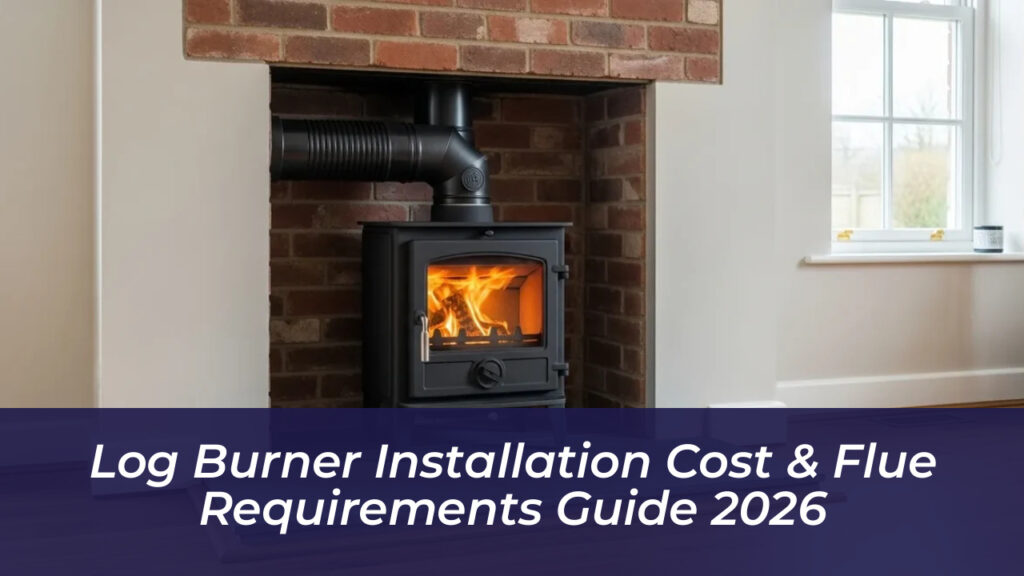
Installing a log burner in a residential home brings reliable warmth and lowers reliance on traditional heating fuels, but the financial commitment often surprises buyers. While a quality stove unit can cost anywhere from $600 to $3,500, the overall log burner installation cost frequently matches or exceeds the price of the hardware itself. Total project expenses typically range from $1,300 for a straightforward freestanding setup to over $9,800 for complex multi-story chimney retrofits. Understanding the real-world expenses, labor demands, and strict flue requirements helps homeowners navigate contractor quotes without unexpected budget overruns.
Total Installation Price Ranges and Tiers
Most residential projects fall into distinct tiers based on existing chimney conditions, home layout, and regional labor markets. Breaking down these tiers provides a clearer picture of where your specific project will land.
- Budget Tier ($1,350 – $2,550): Involves an entry-level stove, single-wall connector pipe, and a Class A prefabricated chimney routed directly through an exterior wall. Ideal for single-story homes with simple layouts.
- Mid-Range Tier ($2,500 – $5,100): The most common scenario. Includes an EPA-certified 60,000 to 80,000 BTU stove, a stainless steel liner installed inside an existing masonry chimney, and a compliant tile or masonry hearth pad.
- High-End Tier ($4,600 – $9,800+): Involves high-output catalytic stoves, multi-story home runs requiring an entirely new vertical Class A flue system, or extensive masonry restoration.
Breaking Down Major Component Costs
A professional installation quote consists of several distinct line items. Separating the equipment from the labor and regulatory fees ensures you can accurately compare bids from different contractors.
| Project Component | Typical Cost Range | Primary Cost Drivers |
|---|---|---|
| Stove Unit | $600 – $4,000+ | BTU capacity, material (cast iron vs. steel), catalytic efficiency, brand |
| Chimney or Flue System | $400 – $3,500 | Liner relining vs. new Class A build, height, vertical vs. horizontal run |
| Installation Labor | $300 – $1,800 | Hourly rates ($75-$150/hr), project complexity, crew size, regional markets |
| Hearth Pad & Wall Shields | $200 – $800 | Floor reinforcement, custom tile work, non-combustible clearance shielding |
| Permits & Inspections | $50 – $500 | Municipal code fees, mandatory rough/final building inspections |
Crucial Flue Requirements and Safety Standards
Flue and chimney specifications dictate both the safety and performance of your wood-burning appliance. Ignoring these technical standards invites dangerous creosote accumulation, poor drafting, and instant failure during municipal building inspections.
Flue Sizing and NFPA 211 Compliance
National Fire Protection Association (NFPA) standard 211 requires that the chimney liner diameter match the stove manufacturer’s flue collar specification exactly. Older masonry homes frequently feature oversized chimneys built for open masonry fireplaces. Connecting a modern wood stove directly to an oversized flue causes exhaust gases to cool too rapidly, resulting in heavy creosote deposition. Installing a rigid or flexible stainless steel liner solves this mismatch.
Class A Insulated Chimney Requirements
If your home lacks a masonry chimney, you must install a prefabricated Class A insulated stainless steel chimney system. This system must maintain strict clearance distances from all combustible framing members-typically a minimum two-inch air gap. Additionally, the chimney termination must extend at least three feet above the highest point where it passes through the roof, and two feet higher than any portion of the building within a ten-foot radius.
Labor Rates and Regional Variations
Professional installation labor is billed either as part of an all-in quote or at hourly rates ranging from $75 to $150 per certified technician. Project duration typically spans 6 to 12 hours for straightforward swaps, extending to 16 or 24 hours for complex new flue penetrations.
Geographic location heavily influences labor charges. Homeowners in the Northeast and Pacific Coast states often face labor rates twice as high as those in the rural Midwest or Southeast. Additionally, rural properties outside a contractor’s standard service radius may incur extra travel fees.
Permits, Insurance, and Tax Credits
Securing a local building permit is a mandatory step that protects your home and financial liability. Skipping the permit process to save a few hundred dollars can void your homeowner’s insurance policy in the event of a chimney or structural fire. Municipal inspectors will evaluate hearth clearances, wall shields, and flue terminations against current building codes.
On the financial incentive side, the federal Section 25C tax credit provides significant relief for eligible buyers. The credit covers 30 percent of the total cost for qualified high-efficiency wood stoves and professional installation labor, up to an annual limit of $2,000. Ensure your chosen stove meets EPA certification standards and keep all contractor documentation for tax filing.
Smart Strategies to Lower Your Overall Costs
You can successfully trim expenses without ever compromising on safety or appliance efficiency by implementing a few targeted measures:
- Schedule During Off-Peak Seasons: Book installations in late spring or summer. Contractors experience lower demand during warmer months and may offer reduced labor rates.
- Utilize Existing Chimney Routes: Whenever possible, drop a stainless steel liner down an existing masonry flue rather than building an entirely new exterior Class A chase.
- Handle Site Prep Yourself: Clear old flooring, remove debris around the hearth area, and provide unobstructed access for the installation crew to shave hours off the bill.
- Get Multiple Detailed Quotes: Request at least three written estimates from National Fireplace Institute (NFI) certified technicians to compare itemized line costs.