Stepping into an empty, chaotic backyard after spending weeks (and thousands of dollars) remodeling the inside of your home is incredibly frustrating. Most homeowners end up putting off landscaping because they assume it requires a five-figure contractor budget and endless weekends of exhausting manual labor.
But you don’t need a commercial excavator or high-end designer furniture to fix this. With a few smart, low-maintenance garden ideas on a budget, you can bypass expensive traditional hardscaping. If you are looking for exciting ways to give your landscape a stylish makeover, using upcycled materials and structural hacks will give you a premium look that costs almost nothing to maintain.
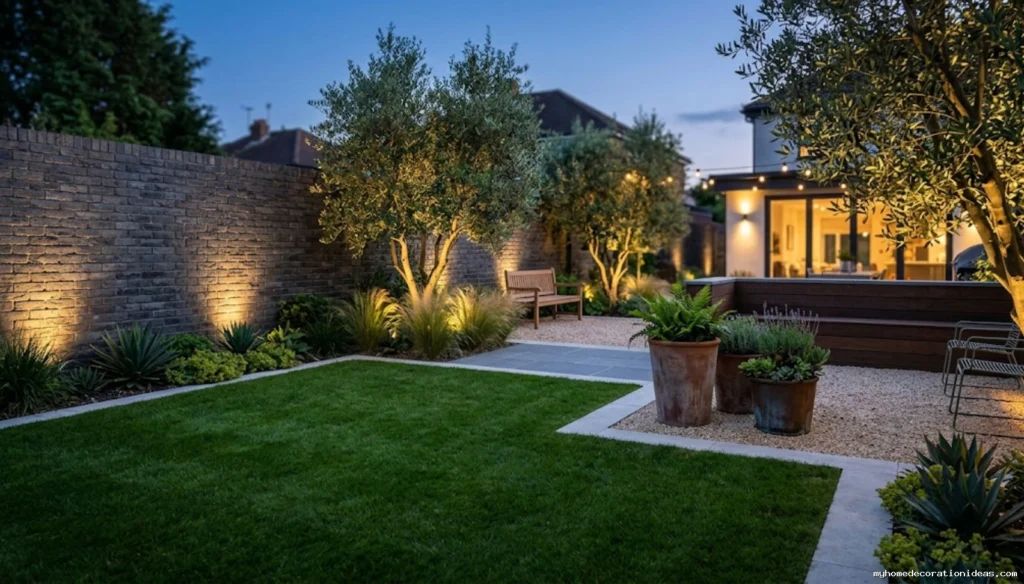
Here is how to get a high-end look without the high-end price tag or the lifetime of upkeep.
The Real Cost: Traditional Hardscaping vs. Smart DIY Alternatives
Before you head to the local home improvement store, let’s look at the actual numbers. Many homeowners assume that pouring concrete or hiring professional fence contractors is the only way to get a clean, modern look.
Here is how low-maintenance, upcycled DIY alternatives stack up against traditional contracting:
| Project Area | Professional Traditional Cost | DIY Upcycled Cost | Ongoing Maintenance Required |
|---|---|---|---|
| Pathways | $2,000 – $5,000 (Poured Concrete / Pavers) | $150 – $300 (Gravel & Local Stepping Stones) | Occasional raking, zero structural crack repairs |
| Privacy Boundaries | $3,500 – $7,000 (Wood/Vinyl Fencing) | $150 – $400 (Cattle Panel Living Wall) | Annual light pruning, zero staining or chemical sealing |
| Seating Area | $1,200 – $3,000 (Store-bought Patio Set) | $100 – $250 (Heat-Treated Pallets & Cushions) | Washing fabric covers, zero rust or rot treatment |
1. Ditch Poured Concrete for Loose Gravel & Stepping Stones
Poured concrete slabs and custom-cut flagstone patios easily eat up a massive chunk of your budget. Worse, if the ground shifts or a tree root expands underneath, repairing cracked concrete is a nightmare.
Switching to loose aggregate pathways gives your garden an organic, high-end look at a fraction of the cost.
- Pea Gravel & Decomposed Granite ($1.50 – $3 per sq. ft.): Excavate the path area just 2 to 3 inches deep. To save yourself years of tedious weeding, lay down a heavy-duty, woven geotextile weed barrier. Avoid cheap plastic-based ground covers as they tear easily. Fill the trench with pea gravel for a classic crunch underfoot, or use decomposed granite (DG) for a firmer, more stable walking surface. Use simple steel or heavy-duty plastic landscape edging to keep the stones firmly inside the pathway boundaries.
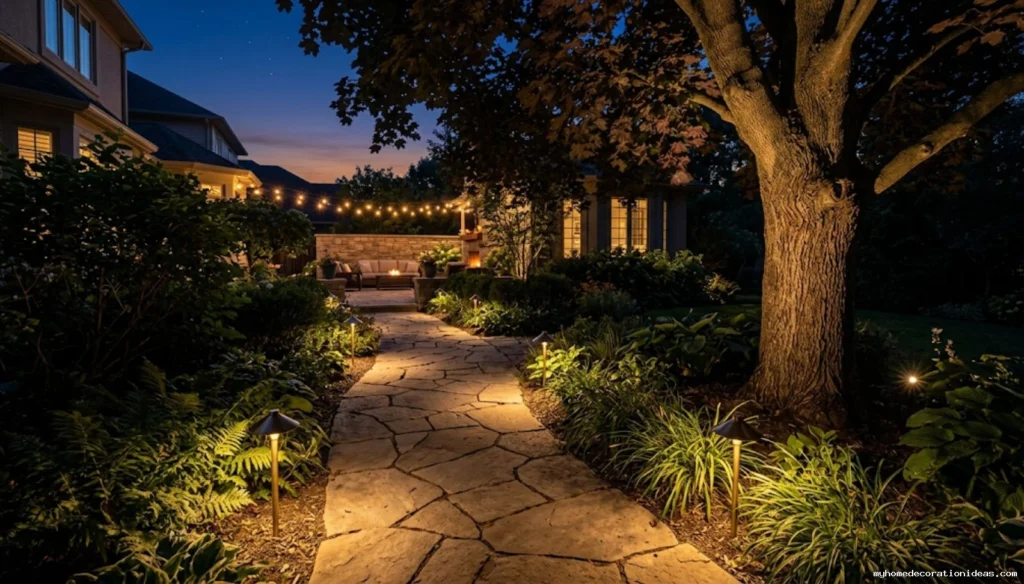
- Upcycled Brick & Stepping Stones ($0 – $2 per sq. ft.): Check local online classifieds, Facebook Marketplace, or nearby construction demo sites for people giving away old red bricks or concrete slabs for free. Lay these salvaged stones slightly apart on a thin bed of leveling sand. In the gaps, plant low-growing ground covers like creeping thyme or Irish moss. These hardy plants fill in naturally, tolerate light foot traffic, suppress weed growth, and never need a lawnmower.
2. Replace High-Maintenance Wood Fencing with Smart Living Borders
Standard pressure-treated wood privacy fences seem like a bargain upfront, but they are a massive maintenance trap. Within two to three seasons, the wood begins to warp from moisture, requiring you to spend weekends sanding, pressure washing, and applying expensive chemical sealants.
If you want a private border without the premium price tag or the maintenance headache:
The “Cattle Panel” Living Wall
Instead of solid wood panels, purchase standard galvanized steel cattle panels (usually around $25–$40 at local farm supply stores). Secure them between simple wooden 4×4 posts. Plant fast-growing, hardy perennial climbers like Star Jasmine, Clematis, or Honeysuckle at the base. Within eighteen months, these climbers will weave through the metal grid, creating a dense, fragrant, evergreen privacy screen that never needs painting.
Powder-Coated Steel Accents
If you prefer a modern, industrial look, use vertical corrugated metal panels framed in treated wood. These panels are cheap, highly durable, and reflect light beautifully, making smaller yards feel significantly larger than they are.
3. Build Raw, Functional Focal Points (Instead of Buying Retail)
A backyard without defined zones feels cluttered and small. Rather than dropping $1,000 or more on factory-made outdoor sectional sets that rot or rust in a few seasons, build your own functional zones using salvaged timber and simple layouts.
Upcycled Pallet Seating: You can build a custom L-shaped sectional using standard shipping pallets.
Important Safety Note: Only use pallets stamped with the letters “HT” (Heat-Treated). Avoid pallets stamped with “MB” (Methyl Bromide), as these have been treated with highly toxic chemicals. Sand the wood down to prevent splinters, coat them with a water-resistant exterior wood deck stain, stack them to your preferred height, and top with affordable, water-resistant outdoor cushions.
Simple Post Pergolas: Ground your seating area with a basic overhead structure. By anchoring four treated 4×4 posts in quick-set concrete and running 2×6 crossbeams across the top, you create a beautiful architectural frame for under $150 in lumber. While it isn’t a fully enclosed conservatory, it provides excellent structure and shade. Hang string lights or grow climbing vines over the top to finish the space.
4. Low-Cost Hacks to Keep Maintenance at Near-Zero
Once your physical layout is complete, use these highly practical, zero-cost gardening strategies to keep your yard looking great year after year:
- The 80/20 Perennial Rule: Stop buying annual flowers. They look beautiful for three months, die in the winter, and force you to buy them again next spring. Instead, invest 80% of your plant budget in hardy perennials like Hostas, Lavender, Coneflowers (Echinacea), and Salvia. These plants return bigger and stronger every year. Even better, you can easily dig up and divide established perennial root systems every few seasons, giving you dozens of new plants completely for free.
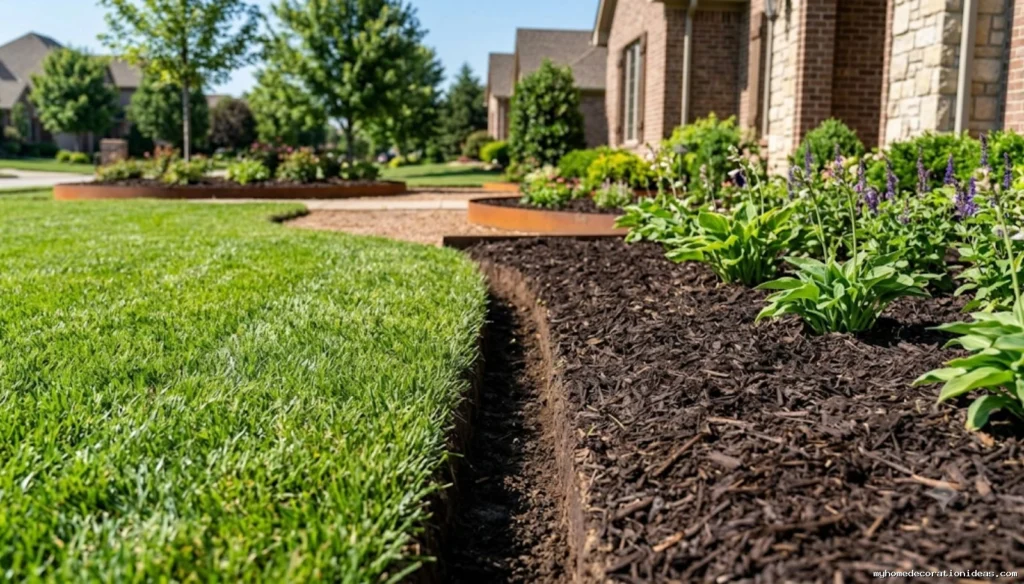
- Secure Free Wood Chip Mulch: Mulch is essential for stopping weed growth and retaining soil moisture, but buying plastic bags of mulch from big-box stores gets expensive quickly. Use free services like ChipDrop or call local utility tree-trimming crews working in your neighborhood. They are almost always willing to dump a clean load of wood chips directly on your driveway for free to save themselves commercial dumping fees.
- Container Grouping with the “Rule of Odds”: Avoid buying expensive, matching ceramic planters. Scout thrift stores or yard sales for old metal buckets, wooden crates, or mismatched clay pots. Spray paint them in a uniform matte neutral color (like charcoal gray or off-white) to tie them together visually. Group them in odd numbers (groups of 3 or 5) and vary the heights to create a professional-looking focal point on your patio.
- Propagate Plants from Softwood Cuttings: You don’t need to buy fully grown shrubs. Take simple stem cuttings from existing hydrangeas, boxwoods, or rosemary—which you can later harvest for cooking in your family-friendly kitchen. Dip the ends in organic rooting hormone, place them in moist potting soil, and grow your own nursery stock for pennies.
Take Action This Weekend
Upgrading your backyard does not require a massive loan or weeks of back-breaking work. Focus on doing just one small, manageable project at a time. Start by mapping out a simple gravel walkway or sourcing a few free, heat-treated pallets this weekend. Step by step, you will reclaim your outdoor space without draining your savings. And if you plan on hosting a backyard reception or dinner party in your newly styled space, you can easily complete the look with some elegant table centerpieces on a budget.
FAQs
What is the cheapest low-maintenance ground cover?
Pea gravel and decomposed granite are among the cheapest hardscaping options. If you prefer living ground cover, creeping thyme and clover are inexpensive, spread quickly, and require far less mowing and watering than traditional grass.
Are pallet sofas actually safe to use outdoors?
Yes, as long as you check the stamps. Only use pallets marked with “HT” (Heat-Treated). Never use pallets marked with “MB” (Methyl Bromide) or those that have visible chemical spills, as they can be toxic.
How can I make my backyard look expensive on a tight budget?
The secret to a high-end look is structure and uniformity. Use landscape edging to create clean lines between your grass and garden beds. Paint mismatched pots in a single neutral color, and stick to a simple color palette for your plants (like all white and green) rather than a chaotic mix of bright colors.