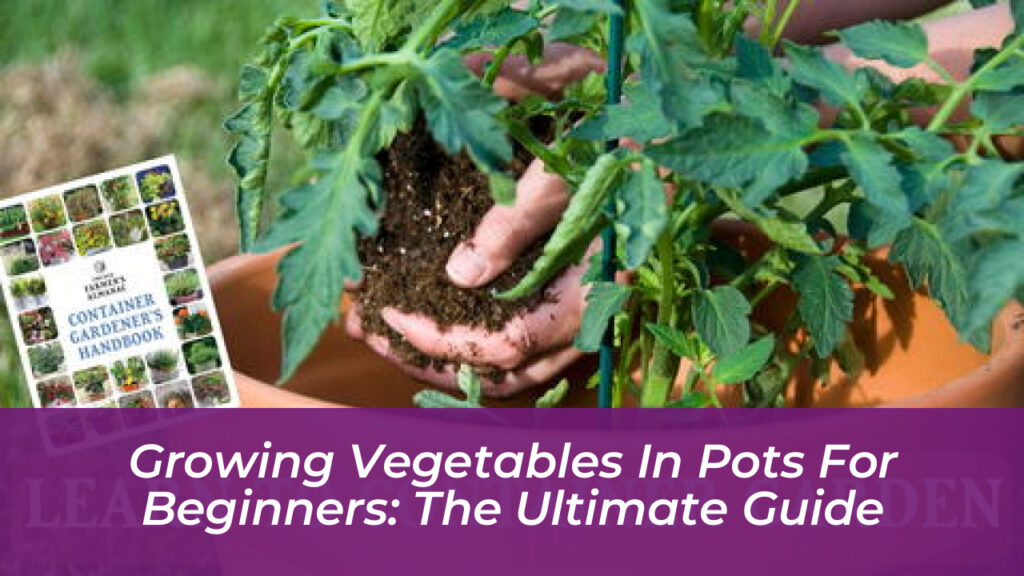
Transforming a sunny balcony, a cramped patio, or even a concrete doorstep into a thriving source of fresh food is easier than most people realize. When traditional garden beds are out of reach due to lack of ground space or stubborn clay soil, growing vegetables in containers steps in as the ultimate solution. This accessible approach puts you entirely in control of the growing environment, bypasses the backbreaking labor of tilling, and drastically reduces weed management.
Embarking on a container garden requires understanding a few core fundamentals. Unlike ornamental flowers, edible crops work hard to produce fruit and foliage, demanding consistent hydration, nutrient-rich soil, and adequate root room. Arming yourself with the right knowledge regarding pot sizes, potting mediums, and daily upkeep ensures a bountiful harvest from even the smallest footprint.
Why Container Vegetable Gardening Works So Well
Container gardening offers distinct advantages over traditional in-ground plots that appeal to seasoned growers and complete novices alike. First and foremost, mobility changes everything. If a particular corner of your yard or deck fails to receive adequate sunlight, you simply lift the container and shift it to a brighter spot. This flexibility allows you to chase the sun across concrete surfaces or pull tender plants out of the path of destructive windstorms.
Soil-borne diseases and persistent weeds are virtually non-existent when you start fresh with sterile potting mixes. Containers also warm up much faster in the spring than cold ground soil, extending your growing season by weeks. Elevated planters eliminate kneeling and bending, making gardening much easier for individuals with physical limitations.
Selecting the Right Containers for Your Edibles
Almost anything that holds soil and permits water drainage can serve as a vegetable planter. However, size is the single most critical factor for success. Novices frequently make the mistake of choosing pots that are too small. A miniature decorative flowerpot restricts root expansion, dries out within a single sunny afternoon, and ultimately yields stunted plants.
As a general rule, opt for the largest container you can comfortably manage in your space. Here is a quick breakdown of minimum pot sizes for common beginner crops:
- Tomatoes and Squash: Require a minimum 5-gallon container (approximately 12 inches in diameter and 18 inches deep) per plant.
- Peppers and Eggplants: Flourish in 3-gallon containers with a minimum depth of 12 inches.
- Bush Beans and Onions: Adapt well to 2-gallon pots measuring 8 to 9 inches across.
- Lettuce, Spinach, and Radishes: Shallow-rooted greens thrive in 1-gallon pots or window boxes with a depth of 6 to 8 inches.
Drainage is non-negotiable. Every container must feature adequate holes at the base to allow surplus water to escape. Sitting in waterlogged soil suffocates roots and invites fungal pathogens. When utilizing containers made from different materials, keep their unique properties in mind:
- Plastic Pots: Lightweight, budget-friendly, and excellent at retaining moisture, though they must be food-grade to avoid chemical leaching.
- Terracotta and Ceramic: Aesthetically pleasing and porous, allowing air to reach roots, but they dry out rapidly and risk cracking in freezing temperatures.
- Fabric Grow Bags: Highly breathable containers that naturally air-prune roots, promoting a dense and efficient root system while remaining exceptionally lightweight.
The Golden Rule: Never Use Garden Soil
One of the fastest ways to kill potted vegetables is digging up dirt from the yard and dumping it into a container. Native garden soil is far too dense, compacts easily under restricted conditions, drains poorly, and carries weed seeds or pests.
Instead, invest in a quality soilless potting mix formulated specifically for containers. These lightweight engineered blends typically combine peat moss or coconut coir for moisture retention with perlite or vermiculite to create optimal aeration and drainage. Many premium mixes also include a slow-release granular fertilizer to sustain your plants through their crucial first few weeks of growth.
Finding the Ideal Location
Light drives photosynthesis, which directly dictates whether your vegetable plants will thrive or merely survive. Most fruiting vegetables-including tomatoes, peppers, cucumbers, and beans-demand full sun, translating to six to eight hours of direct daily sunlight. Position these sun-worshippers against south-facing or west-facing walls where they can soak up maximum warmth.
Leafy greens and culinary herbs are far more forgiving. Crops like lettuce, arugula, parsley, and mint comfortably produce abundant yields with just three to five hours of direct sun or bright indirect light, opening up partially shaded balconies and porches for productive use.
Proximity to a water source is another practical consideration. Hauling heavy watering cans across a yard or up multiple flights of stairs quickly turns a relaxing hobby into an exhausting chore. Set your containers within easy reach of a garden hose or outdoor spigot.
Top Vegetables for Beginner Success
Starting with forgiving, high-reward crops builds confidence and ensures early success. Consider adding these reliable varieties to your beginner setup:
1. Cherry Tomatoes
Cherry tomatoes dramatically outperform full-sized slicing varieties in containers. Look for determinate or bush varieties labeled “patio” or “tumbling” that stay compact. Burying the tomato stem slightly deeper than it sat in its nursery pot encourages the formation of a stronger, more extensive root system.
2. Leafy Greens and Lettuce
Lettuce yields rapid rewards, moving from seed to harvest in as little as 30 to 45 days. Utilize the “cut-and-come-again” method by snipping outer leaves as needed while allowing the central crown to continuously push out fresh growth.
3. Culinary Herbs
Basil, cilantro, chives, and rosemary are absolute naturals for pots. Many herbs originate in Mediterranean climates and actually prefer the drier, well-drained conditions that containers provide.
4. Radishes
Acting as the speed demons of the garden, radishes mature in just three weeks. They demand minimal space in shallow window boxes, making them virtually foolproof for first-time growers.
Mastering Watering and Fertilization Schedules
Container-grown plants live in a restricted volume of soil that dries out exponentially faster than traditional in-ground beds. During peak summer heat waves, potted vegetables frequently require daily watering-and occasionally twice-daily hydration for smaller pots.
Always water thoroughly until moisture flows freely out of the bottom drainage holes. This deep soaking encourages roots to stretch downward rather than staying concentrated at the surface. Water early in the morning whenever possible; this gives plants ample hydration to withstand the midday sun while allowing any splashed foliage to dry completely before nightfall, reducing the risk of disease.
Because frequent watering rapidly flushes vital nutrients out of the soil, regular feeding is mandatory. Supplement your potting mix with a balanced, water-soluble organic fertilizer every two weeks once plants enter their active growing and fruiting phases. Transition to a formula higher in phosphorus and potassium once flowering begins to encourage robust fruit production over excessive leaf growth.
Providing Physical Support
Top-heavy crops laden with fruit require structural intervention to prevent stems from snapping under their own weight. Install tomato cages, bamboo stakes, or vertical trellises at the exact moment of planting rather than waiting until the plant matures, which risks severe root damage.
Tie vines loosely to their supports using soft garden twine or specialized plant ties. Training vining cucumbers and pole beans upward also improves air circulation around the foliage and keeps developing fruits clean off the ground.
Troubleshooting Common Potted Plant Issues
While containers naturally deter ground-dwelling pests like slugs, issues can still arise on patios and balconies. Aphids and spider mites occasionally target stressed or over-fertilized plants. Mitigate minor outbreaks by spraying foliage firmly with water or applying organic insecticidal soap.
Watch out for common physiological warnings:
- Yellowing Lower Leaves: Usually signals a nitrogen deficiency or overwatering that has leached nutrients from the soil.
- Blossom End Rot: Dark, sunken patches on the bottoms of tomatoes and peppers, typically caused by erratic watering schedules that disrupt calcium uptake.
- Wilting Despite Wet Soil: Indicates advanced root rot brought on by blocked drainage holes or excessively compact, waterlogged medium.
Embrace the Container Gardening Journey
Growing vegetables in pots removes the intimidation factor of traditional landscaping and grants urban dwellers, renters, and busy homeowners direct access to fresh, pesticide-free food. By selecting adequately sized containers, utilizing premium soilless mixes, and committing to a consistent watering routine, you set the stage for an abundant and deeply rewarding harvest. Start small with a single pot of basil and a cherry tomato plant, observe how they respond to your environment, and expand your potted oasis year after year.