
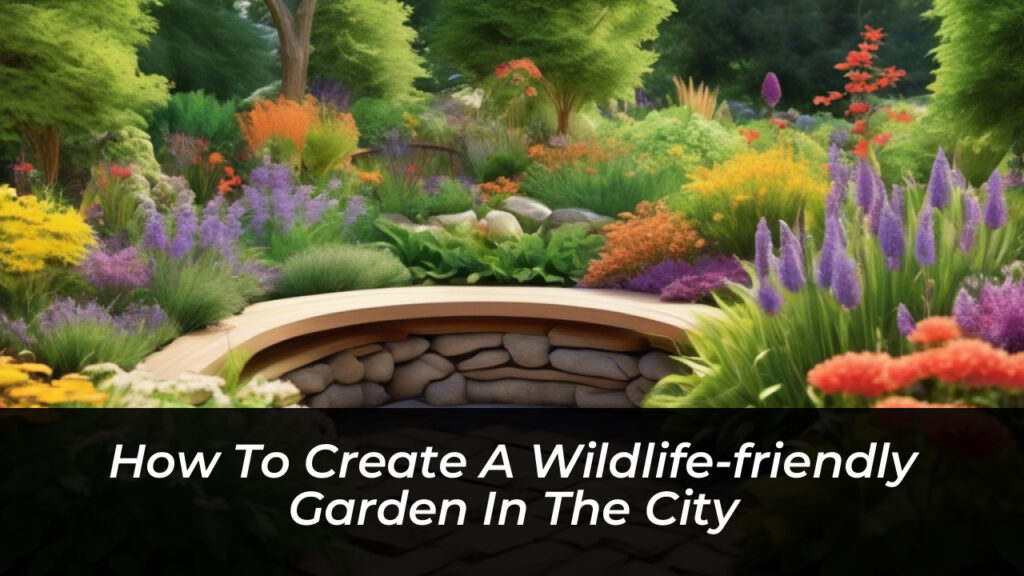
Living in a busy city usually means trading the rustle of leaves and birdsong for traffic noise and concrete. Yet even a small balcony, courtyard, or postage-stamp backyard can become a vital sanctuary for local animals. Transforming your city plot into a thriving ecosystem doesn’t require a sprawling country estate. With thoughtful planning, a shift away from traditional turf lawns, and a commitment to nurturing local biodiversity, any urban patch can become a flourishing wildlife haven.
Urban conservation is increasingly critical as concrete expansion breaks up natural habitats and strips away food sources for native creatures. When city dwellers introduce diverse green spaces, they create stepping stones and ecological corridors that help birds, pollinators, and beneficial insects navigate the city. Designing a wildlife-friendly urban garden helps local ecology while offering quiet mental and emotional rewards for the gardener.
The Core Needs of Urban Wildlife
Before buying plants or hanging birdhouses, it helps to understand what animals need to survive and reproduce. Every successful wildlife garden provides four basic elements: food, water, shelter, and safe breeding spaces. When these elements line up, animals quickly discover the space and make themselves at home.
Food comes in many forms throughout the year, including nectar-rich blooms, pollen, seeds, berries, and the insects that support songbirds. Water is equally critical for thirsty birds, bathing creatures, and insects. Shelter offers protection from harsh weather and urban predators, while safe breeding sites give native species a secure place to raise their young. Replicating these natural components in the city establishes a balanced micro-ecosystem.
Selecting the Right Native Plants
Plant selection forms the bedrock of any successful wildlife garden. While exotic ornamentals look flashy, native plants have co-evolved over thousands of years with local wildlife, making them uniquely suited to provide the exact nutrition and shelter local fauna require.
native plants urban garden flowering perennials bees butterflies
Opting for native flora radically increases biodiversity compared to sterile lawns or heavily managed exotic flower beds. Key planting strategies include:
- Planting in Drifts: Instead of scattering single plants randomly, group three to five of the same native species together. This creates a bold, visible target for foraging pollinators, helping them find nectar efficiently while conserving energy.
- Focusing on Keystone Species: Certain native trees, shrubs, and perennials support a huge number of insect and bird species. Incorporating native berry producers and flowering shrubs establishes multi-tiered vertical layers that mimic natural forest edges.
- Ensuring Seasonal Continuity: Select a mix of flowering plants and grasses that bloom and seed at different times of the year. Early spring blooms sustain emerging bees, while late-season seed heads provide essential winter calories for resident birds.
Designing Multi-Tiered Habitats in Small Spaces
Nature rarely operates on a single flat plane, and neither should your urban garden. Emulating the structural layers of a natural woodland maximizes habitat capacity, even in tight spaces.
Vertical Layering for Maximum Impact
In larger urban yards, a small canopy tree or tall shrub acts as the upper story, offering high perches and nesting sites for birds. Beneath this layer, mid-story shrubs and flowering perennials provide denser cover. Ground covers, low-growing wildflowers, and deep leaf litter finish the floor layer, sheltering ground-dwelling beetles, toads, and soil microbes.
Smart Solutions for Balconies and Containers
Container gardening on a high-rise balcony can still support remarkable biodiversity. Use vertical wall planters, trellises for climbing native vines, and clusters of deep pots filled with drought-tolerant native herbs and wildflowers. A compact insect hotel mounted on a sunny wall or a shallow dish of water with landing pebbles transforms even a tenth-floor balcony into an oasis for wandering pollinators.
Incorporating Water Sources for City Fauna
Water is a magnet for urban wildlife. Providing a reliable, clean water source will dramatically increase the variety of visitors you see from your window.
Birdbaths on pedestals or near protective thorny shrubs offer safe drinking spots where feathered visitors can watch for neighborhood cats. For ground-dwelling mammals, amphibians, and beneficial insects, ground-level water dishes work best. Always place pebbles or stones inside water features to serve as emergency ramps, preventing bees and butterflies from drowning.
For gardeners with a bit more space, installing a miniature wildlife pond-even a sunken half-barrel liner-invites dragonflies, damselflies, and potentially frogs and newts. Native aquatic plants around the edges provide cover and emergence points for developing aquatic life.
Creating Natural Refuges and Shelter
A tidy, manicured garden stripped of fallen debris leaves urban wildlife exposed and vulnerable. Introducing natural shelter materials mimics wild habitats and gives creatures safe places to hide, rest, and hibernate.
garden log pile wildlife refuge urban yard sticks leaves
Build a quiet wild corner in an out-of-the-way spot by stacking logs, branches, and untreated wood. As this wood slowly breaks down, it creates an underground food web of fungi, beetles, and larvae that feeds small mammals and birds. Leaving patches of untrimmed native grasses and undisturbed leaf litter provides crucial winter shelter for native bees, ladybugs, and hedgehogs.
Committing to Chemical-Free Maintenance
Traditional urban gardening often relies heavily on chemical fertilizers, synthetic pesticides, and weed killers. Unfortunately, these products disrupt the delicate food web you are trying to build. Broad-spectrum insecticides wipe out beneficial predatory insects alongside pests, while systemic chemicals taint nectar and pollen.
Embrace a natural approach by accepting that minor insect damage is the sign of a healthy, functioning ecosystem. If aphids or other pests appear, allow natural predators like ladybugs, hoverflies, and insect-eating birds to manage populations organically. Enrich your soil through composting and organic mulching, which holds moisture, suppresses weeds, and supports underground life.
Building Ecological Networks Through Community
While an isolated urban wildlife garden makes a real difference, connecting your efforts with neighbors multiplies the benefits. Urban wildlife thrives when green spaces link together into continuous corridors, allowing creatures to travel safely across concrete neighborhoods.
Encourage neighbors to adopt wildlife-friendly practices, share native plant seeds, or collaborate on community greening projects. Urban ecology initiatives turn disconnected blocks into connected networks of biodiversity, proving that even the densest cities can accommodate a vibrant natural world right outside our doors.