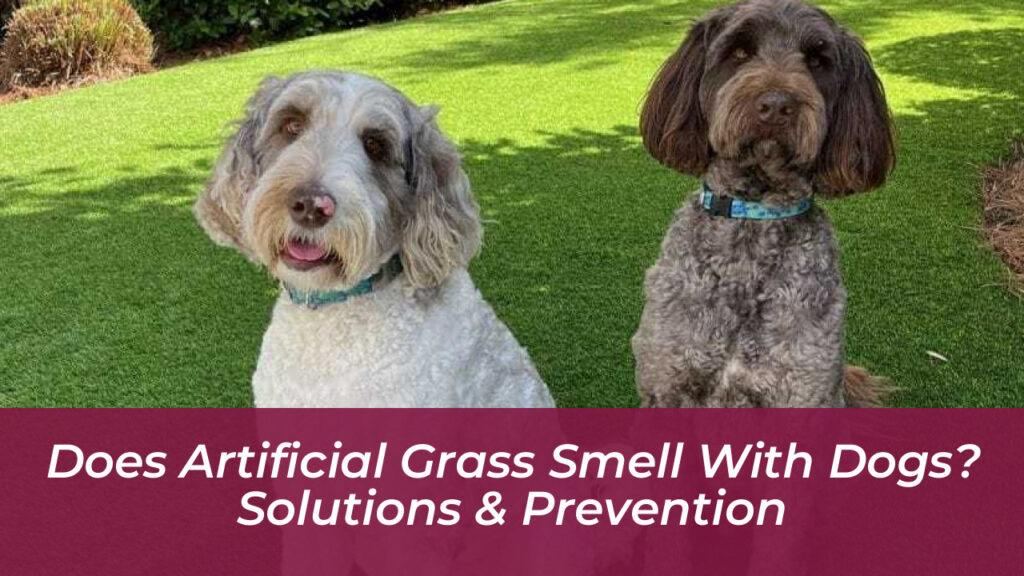
Many homeowners considering a switch to synthetic lawns worry about one thing: the smell. It is a common concern for dog owners who want a lush, green space that stays clean for their pets. The truth is that artificial grass is naturally odor-neutral, but it can trap smells if the installation isn’t built to handle pet waste. Understanding how to manage your lawn from the ground up is the best way to keep your backyard fresh and inviting for the whole family.
The Chemistry of the Smell
To stop the odor, you have to understand what causes it. Dog urine contains urea. When a dog goes to the bathroom on a lawn, the liquid should drain away. However, if the drainage is sluggish or the waste gets trapped in the infill, bacteria move in to break down the urea. This process releases ammonia, which creates that sharp, stinging scent.
Heat and humidity make this worse. When the sun warms the turf, it turns those trapped ammonia gases into a vapor that rises into the air. Because synthetic grass lacks the active, living soil found in a natural yard-which usually handles waste breakdown-the responsibility for keeping things clean falls on your turf’s design and your maintenance routine.
Why Drainage Is Your Best Defense
The most effective way to prevent odors is to make sure liquids never have a chance to pool. A high-quality installation starts with a highly permeable backing. While standard turf often uses perforated backings, pet-specific systems use advanced, non-perforated materials that allow liquid to flow straight through the blades and into the base layer instantly.
The sub-base is just as important. A well-graded base, usually made of compacted crushed stone or gravel, directs liquids away from the surface. If your base isn’t level or lacks enough drainage, moisture will settle in low spots. These damp patches are almost always the cause of recurring smells, no matter how much you scrub the surface.
Choosing the Right Infill
Infill is the material spread between the grass blades to keep them standing upright. For pet owners, this choice is critical. Standard silica sand can trap moisture and harbor bacteria. Instead, look for pet-grade infills like zeolite.
Zeolite is a natural, porous mineral that works like a magnet for ammonia. It traps the molecules within its structure, preventing them from turning into gas and entering the air. By locking these compounds away until they can be flushed out by rain or a hose, zeolite acts as a proactive filter. Investing in an antimicrobial infill is the easiest way to prevent odors before they start.
Simple Maintenance Habits
Even with a great installation, you still need to keep the surface clean. Since you don’t have natural microbes doing the work for you, a little consistency goes a long way in preventing buildup.
- Regular Rinsing: Use a garden hose to spray down high-traffic areas once or twice a week. This dilutes residual urine and flushes it through the drainage system before it can dry and crystallize.
- Prompt Waste Removal: Pick up solid waste as soon as possible. While it doesn’t cause the same chemical reaction as urine, it can leave behind residue that encourages bacterial growth.
- Enzyme-Based Cleaning: Once or twice a month, treat the lawn with a pet-safe, enzyme-based cleaner. Unlike regular soap, these cleaners contain active enzymes that break down the uric acid molecules left behind by urine.
- Occasional Deep Cleaning: During the hottest months, consider a deeper clean. Using a power broom to lift the fibers can help your cleaning solution reach the base layer more effectively.
Common Myths About Pet Turf
Some people think artificial grass is “dirtier” than natural grass, but the opposite is often true. Natural lawns can harbor parasites, ticks, and fleas, and they quickly turn into mud pits. Synthetic turf provides a consistent, clean surface that is much easier to sanitize. Also, remember that not all turf is created equal. Always look for products specifically labeled as “pet-friendly” or “K9-rated,” as these are built to handle the volume of liquid that comes with daily pet use.
Troubleshooting Persistent Odors
If your lawn still smells after a thorough cleaning, the issue is likely beneath the surface. Check if the smell is coming from one specific spot-this usually points to a drainage issue or a buildup of contaminated infill in that area. You may need to replace the infill in that section or clean the backing directly. If the smell is everywhere, the sub-base might not have enough slope to move water away. In these cases, a professional inspection is the best way to determine if you need to improve your drainage.
A Fresh Backyard for the Long Haul
The goal of installing artificial grass is to make your life easier, not harder. By selecting the right materials-specifically a permeable backing and zeolite infill-you eliminate the most common causes of odor. When paired with a simple, consistent cleaning routine, your synthetic lawn can remain a fresh, beautiful space for your dogs to enjoy for years. A little extra care during the planning phase is the best investment you can make for your home and your peace of mind.