
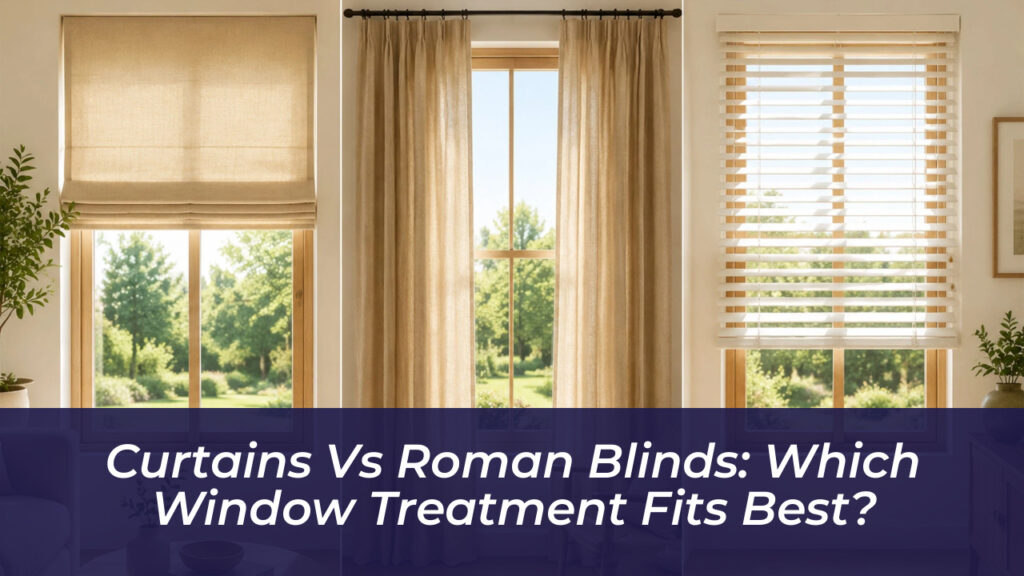
Choosing the right window treatment can completely transform the look, feel, and functionality of any room in your home. It is never just about blocking the sun or keeping out peering eyes; it is about establishing a design narrative, managing room temperature, and matching your daily lifestyle. When homeowners weigh their design options, the classic debate often comes down to flowing fabric curtains versus tailored, structured Roman blinds. Each option brings a completely distinct set of aesthetic and practical advantages to the table, making the final decision heavily dependent on the specific needs of your space.
Curtains have long reigned as the ultimate symbol of cozy elegance, draping windows in soft fabrics that introduce movement, height, and warmth. On the other side of the spectrum, Roman blinds offer a sleek, architectural profile that folds neatly upward, delivering clean lines and exceptional space efficiency. Understanding how these two popular styles compare across essential categories-such as light control, maintenance, insulation, and room application-will give you the clarity needed to make an informed, confident purchase.
The Core Contenders
Before evaluating how curtains and Roman blinds stack up against one another in specific rooms, it helps to examine what each style inherently brings to your interior architecture. The fundamental construction of a window treatment dictates not only how it operates, but also how it interacts with natural sunlight and room proportions.
The Timeless Appeal of Curtains
Curtains consist of fabric panels suspended from a decorative rod or track, typically extending past the physical window frame. This extra reach is their secret weapon. By hanging curtains closer to the ceiling and wider than the glass, you create an optical illusion that makes windows appear larger and ceilings taller. They introduce rich textures, diverse patterns, and a lived-in comfort that hard window coverings simply cannot replicate. Lightweight sheer curtains diffuse direct rays into a soft glow, while heavy velvet or thermal-backed drapes offer dramatic luxury and robust sound absorption.
The Tailored Precision of Roman Blinds
Roman blinds marry the softness of fabric with the mechanical efficiency of a shade. Constructed from a continuous panel of material, they fold neatly into horizontal pleats when raised and flatten out smoothly when lowered. This streamlined footprint means they sit entirely within or just outside the window frame, taking up zero floor or side wall space. They provide a refined, tailored appearance that anchors contemporary, transitional, and minimalist spaces without feeling overly clinical or sparse.
Head-to-Head Comparison Across Key Factors
To determine whether curtains or Roman blinds deserve a spot on your windows, you must look closely at how they perform in everyday scenarios. Performance differences in light control, installation, and upkeep can quickly tip the scale in favor of one option.
Light Control and Privacy Management
When absolute darkness and privacy are your primary goals, performance varies based on design mechanics. Roman blinds mount tightly against or within the window opening, leaving virtually zero gaps for light to bleed through the sides. When paired with a blackout lining, they can eliminate nearly all external light, making them exceptional for nurseries or night-shift workers. Additionally, many styles offer a top-down, bottom-up configuration, allowing you to let sunlight stream in from the top while keeping the lower half of the window completely private.
Curtains can also achieve high levels of light blocking, particularly with heavy blackout linings, but they inherently feature minor light leaks. Gaps typically occur at the top rod brackets and along the outer edges where the panels meet the wall. However, curtains excel at creating a dramatic, sweeping presentation that frames a view rather than sealing it off completely.
Insulation and Energy Efficiency
Windows represent a major source of thermal transfer, allowing heat to escape in the winter and enter during the summer. Fabric window treatments act as a soft barrier, but their insulating capacity depends heavily on construction. Standard curtains provide modest thermal resistance, reducing mild drafts and regulating indoor temperatures to a degree. Roman blinds, especially those featuring thick, quilted fabrics or cellular linings, trap pockets of air against the glass. This creates a superior thermal blanket that helps lower monthly energy bills and maintains consistent indoor comfort year-round.
Maintenance and Durability
Daily upkeep is another critical battleground. Roman blinds generally require less frequent deep cleaning. A weekly pass with a vacuum brush attachment or a gentle feather duster is usually enough to keep dust at bay. Spot cleaning handles minor marks easily.
Curtains, because of their expansive surface area and constant movement in air currents, tend to collect more airborne dust and pet dander. While lightweight cotton and polyester panels can often be machine-washed at home, lined or luxury drapes made of silk, linen, or velvet typically demand professional dry cleaning to prevent shrinkage and fabric degradation.
Room-by-Room Selection Guide
Every room serves a different purpose, meaning the ideal window treatment for a bustling kitchen will rarely suit a tranquil bedroom. Matching the strengths of curtains and Roman blinds to specific functional zones ensures optimal results throughout your home.
Living Rooms and Formal Dining Spaces
Living areas and formal dining rooms are prime real estate for making a stylish design statement. Because these spaces focus heavily on aesthetics, ambiance, and entertaining, floor-to-ceiling curtains shine here. They add vertical drama, soften hard architectural lines, and introduce tactile warmth. If you have expansive sliding glass doors or a wall of panoramic windows, curtains offer the fluid mobility needed to easily slide panels aside for unobstructed access.

Alternatively, if your living room leans toward a crisp, contemporary aesthetic, flat-fold Roman blinds provide clean lines without crowding the space. Many designers even combine both approaches by mounting Roman blinds inside the window frame for precise daytime glare management and framing the entire assembly with decorative curtain panels for a luxurious, multi-dimensional finish.
Bedrooms and Home Offices
Bedrooms and study areas require an environment optimized for rest, concentration, and privacy. Here, practicality often outweighs pure decorative drama. Roman blinds fitted with room-darkening or blackout liners create a calm, uncluttered backdrop that promotes deep sleep without overwhelming smaller bedrooms. In home offices, light-filtering Roman shades prevent harsh computer screen glare while maintaining a bright, uplifting atmosphere.

If you prefer the classic look of drapes in a sleeping sanctuary, heavy blackout curtains remain a top-tier choice for blocking early morning sunlight and dampening outside street noise. Consider your specific sleep habits and window exposure when making the final call between the two.
Kitchens and Bathrooms
High-moisture environments subject window treatments to unique hazards, including steam, cooking grease, water splashes, and frequent cleaning cycles. Full-length fabric curtains are generally a poor choice near kitchen sinks or inside humid bathrooms, as they can absorb moisture, trap lingering cooking odors, and stain easily.
While some lightweight, washable Roman blinds can succeed in well-ventilated kitchens, moisture-resistant blinds or simple shades made from synthetic, wipeable materials are far safer and more durable choices for wet zones. They resist mildew, clean in seconds with a damp cloth, and maintain a crisp appearance despite daily exposure to heavy use.
Safety, Installation, and Budget Considerations
Beyond style and daily performance, practical logistical factors will ultimately shape your purchasing journey. Taking the time to evaluate safety protocols, measurement precision, and budget constraints prevents costly mistakes.
Child and Pet Safety Standards
Traditional window treatments featuring dangling pull cords or continuous loops present serious strangulation hazards for young children and household pets. Modern manufacturing standards place a heavy emphasis on safety. When shopping for Roman blinds or curtains, prioritize cordless operating mechanisms or motorized smart-home automation. Cordless Roman blinds lift and lower with a gentle push or pull on the bottom rail, eliminating exposed hazards entirely while creating a cleaner visual profile.
DIY Installation vs. Custom Measurements
Installation complexity varies significantly between the two styles. Hanging curtains is typically a straightforward weekend DIY project. It involves locating studs, securing a curtain rod bracket with a drill, sliding the fabric panels onto the rod, and adjusting the height.
Roman blinds demand much tighter tolerances. Whether you choose an inside mount for a flush, built-in look or an outside mount to maximize light blockage, taking precise window measurements is vital. A fraction of an inch off can prevent the blind from operating smoothly within the frame. Taking your time during the measuring phase ensures a professional, polished finish.
Evaluating Initial Cost and Long-Term Value
Budget constraints frequently dictate the final selection. Standard ready-made curtains are often the most budget-friendly way to cover multiple windows quickly. Custom Roman blinds generally require a higher initial investment due to specialized craftsmanship, structured internal mechanisms, and precise tailoring.
However, quality window treatments should be viewed as a long-term investment in your home’s comfort and resale value. Durable, well-fitted Roman blinds can last over a decade while actively saving on energy bills through superior thermal insulation. Premium curtains add undeniable staging value when selling a home, instantly making rooms feel finished, luxurious, and move-in ready.
Making Your Final Decision
There is no universal winner in the curtains versus Roman blinds debate. The right choice depends entirely on your room’s architectural layout, your personal maintenance preferences, and the specific atmosphere you wish to cultivate. If your priority is soft visual movement, dramatic height, and effortless styling for large social spaces, curtains are your best companion. If you value architectural precision, space efficiency, superior light blocking, and clean lines, Roman blinds will serve you exceptionally well.
Many homeowners ultimately discover that a hybrid approach-utilizing Roman blinds in functional spaces like kitchens and home offices while investing in luxurious curtains for living areas and bedrooms-delivers the most balanced, beautiful result. Assess your space room by room, order fabric swatches to test colors against your existing paint and furniture, and select the window treatments that bring both beauty and reliable function to your daily life.