
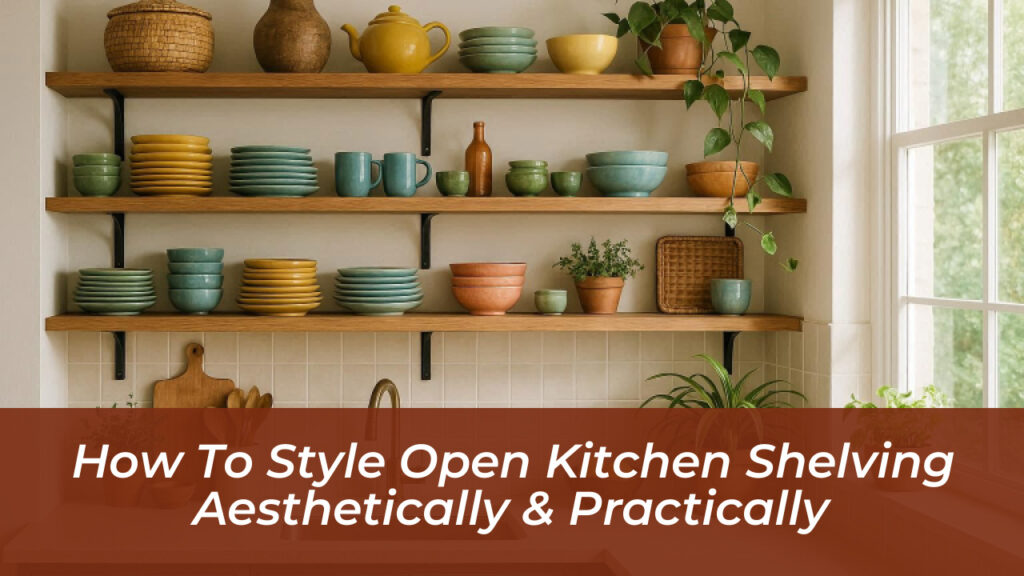
Open kitchen shelving bridges the gap between raw, utilitarian storage and high-end visual curation. When styled with intention, these exposed ledges make a cooking space feel airy, personal, and deeply welcoming. Yet, without a strategic approach, they can quickly devolve into a chaotic display of mismatched dishes and countertop clutter. Achieving that effortless, magazine-worthy look requires more than just tossing plates onto a board; it demands an understanding of scale, texture, color theory, and disciplined editing.
Transitioning away from upper cabinets can feel daunting at first. However, embracing open storage allows you to showcase your personality through cherished ceramics, glassware, and natural elements. Whether you are planning a complete kitchen overhaul or simply looking to refresh your existing floating shelves, mastering the art of shelf styling transforms your kitchen into a functional work of art.
The Foundation: Understanding Open Shelving Anatomy
Before placing a single object on your shelves, you must establish a solid structural foundation. The materials, bracket choices, and overall dimensions of your shelves dictate how the rest of the styling comes together. Wood remains the most popular choice for its inherent warmth and versatility, seamlessly adapting to everything from rustic farmhouses to sleek modern apartments. Walnut and white oak bring rich organic grain patterns, while painted pine offers a clean, custom-built look.
Beyond the wood itself, the mounting hardware sets the visual tone. Matte black steel brackets create industrial contrast against light-colored walls, whereas hidden floating hardware delivers a minimalist, weightless aesthetic. When measuring your wall space, keep vertical spacing in mind. Leaving twelve to fifteen inches between shelves ensures that standard dinner plates and stacking bowls slide in and out effortlessly without scraping the shelf above.
Balancing Utility and Decoration
The golden rule of successful open shelving is the integration of function and form. Every item on display should either serve a practical daily purpose or offer immense aesthetic value. If a piece does not earn its place through daily use or visual charm, it belongs behind closed cabinet doors.
- Everyday Dinnerware: Stack plates in uniform piles with the largest diameters at the base.
- Glassware: Invert wine glasses or align water tumblers so they catch and reflect natural light.
- Dry Goods: Decant pasta, flour, and grains into uniform glass jars to eliminate chaotic packaging graphics.
- Cookware: Display heavy-duty items like cast-iron skillets or ceramic Dutch ovens to anchor the lower levels.
Curating by Aesthetic Direction
Your shelves should never exist in a stylistic vacuum. They need to converse harmoniously with the rest of your kitchen architecture and overall home design. Aligning your shelf decor with a specific interior design archetype guarantees a cohesive, high-end finish.
Minimalist and Japandi Spaces
Japandi and minimalist kitchens rely on extreme discipline and negative space. Utilize natural ash or walnut shelves paired with a restrained palette of matte white, cream, and charcoal ceramics. Limit decorative additions to a single handcrafted bowl or a slender bud vase holding one dried botanical stem. Every single object must breathe, emphasizing clean lines and serene simplicity.
Modern Farmhouse and Rustic Charm
For a warm, lived-in atmosphere, embrace organic textures and contrasting finishes. Combine thick wood planks with black iron brackets, displaying cream stoneware alongside woven wicker baskets and amber glass bottles. A leaning wooden cutting board provides instant scale and earthy warmth, breaking up the vertical lines of stacked plates.
Modern Organic and Warm Minimalism
This approach marries clean contemporary lines with tactile, earthy elements. Think speckled ceramic glazes, brushed brass accents, and lush green foliage. Trailing plants like pothos soften the hard edges of cabinetry and tile work, introducing a vibrant, living element that makes the kitchen feel grounded and organic.
Advanced Styling Principles for Flawless Composition
Once you have gathered your foundational items and selected your design aesthetic, the styling process moves into the arrangement phase. Professional interior designers use specific compositional techniques to guide the eye across a display.
Varying Heights and Depths
Never line up items in a single, monotonous row. Create visual depth by placing larger items, such as large platters or cutting boards, flat against the back wall. Layer smaller items, like espresso cups or small bowls, slightly forward. This overlapping technique generates architectural depth, making shallow shelves appear remarkably dimensional.
The Power of the Triangle Rule
When grouping decorative objects, arrange them in odd numbers-predominantly threes. Create a visual triangle by placing a tall object, such as a ceramic pitcher, next to a medium-sized framed print and a low-slung bowl. This triangular grouping naturally draws the human eye around the vignette, preventing the shelves from looking static or rigid.
Incorporating Organic Elements
Kitchenware can easily lean cold and clinical. Soften the overall look by weaving organic materials throughout the display. A small potted herb plant, a wooden bowl filled with seasonal citrus, or a bundle of dried eucalyptus brings life and softness to hard ceramic and glass surfaces.
Solving Practical Challenges in Small Kitchens
Open shelving in a compact kitchen requires strategic planning. In smaller spaces, prioritize verticality over horizontal sprawl. A tall run of shelves drawing the eye upward toward the ceiling creates an illusion of height and expansiveness.
Stick strictly to a two-color palette in compact areas. Limiting your display to a neutral base color paired with a single accent hue prevents visual overload. Additionally, utilize the often-ignored underside of your bottom shelf. Installing small brass S-hooks allows you to hang coffee mugs or copper measuring cups, turning dead air space into highly functional, charming storage.
Maintenance and Long-Term Care
The beauty of open shelving comes with a trade-off: dust and cooking grease settle much faster on exposed surfaces than inside traditional cabinets. Establishing a simple maintenance routine keeps your display looking pristine without demanding constant upkeep.
| Maintenance Task | Recommended Frequency | Key Focus Areas |
|---|---|---|
| Quick Dusting & Surface Wipe | Every 2 to 3 weeks | Shelves near the stove and upper tiers |
| Glass Jar & Canister Sanitization | Monthly | Removing sticky grease film from dry goods jars |
| Complete Shelf Reset & Edit | Every 3 months | Clearing all items, washing surfaces, and restyling |
Adopt the “one in, one out” rule to preserve your curated density. If you bring home a new artisanal ceramic bowl, an older piece must find a new home or go into concealed storage. This simple discipline prevents clutter from creeping back onto your walls.
Common Styling Pitfalls to Avoid
Even seasoned decorators occasionally stumble when working with open storage. Avoiding a few common mistakes ensures your kitchen remains both beautiful and functional.
- Overcrowding the Ledges: Leaving negative space is essential. If every square inch is covered, the kitchen feels stressful rather than curated.
- Ignoring Ergonomics: Heavy mixing bowls and stacks of everyday plates belong on lower, easily reachable shelves. Save high ledges for decorative items or rarely used entertaining pieces.
- Ignoring Backsplash Coordination: Your shelves interact with whatever wall finish sits behind them. Ensure your tile, shiplap, or painted drywall complements the items you choose to display.
Styling open kitchen shelving is an evolving art form. It grants you the freedom to express your design sensibilities while keeping your most-used culinary tools within arm’s reach. By carefully selecting your materials, honoring the balance between function and decoration, and committing to regular editing, you can create a stunning visual focal point that elevates your entire home.