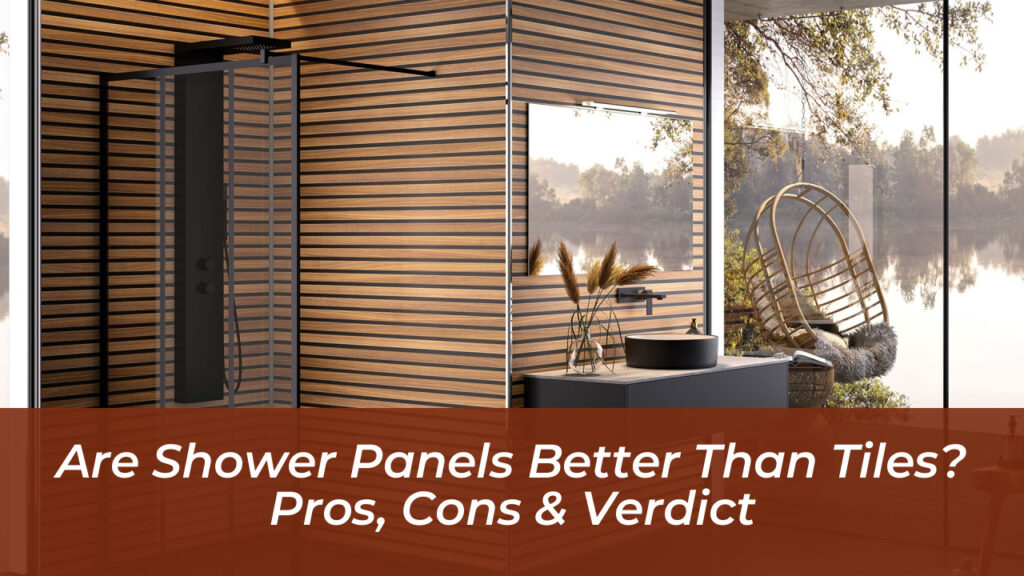
Deciding between shower panels and traditional tiles for a bathroom remodel often turns into a battle between aesthetic ambition and weekend sanity. On one side stands the timeless charm of porcelain and natural stone, paired with endless customization. On the other side sits the sleek, grout-free promise of modern wall panels designed to make scrubbing soap scum a thing of the past. Before committing time and budget to your upcoming renovation, a close look at how these two materials stack up reveals which option truly deserves a spot in your home.
Installation Speed and Labor Complexity
Time is arguably one of the most significant variables in any home improvement project. If you are aiming for a quick turnaround, shower panels hold a clear advantage.
- Shower Panels: Most systems arrive as large, prefabricated sheets made from acrylic, laminate, or solid surface materials. They can be trimmed with standard woodworking tools and mounted directly onto moisture-resistant backerboards or even over sound existing surfaces. A standard 3-wall shower enclosure can often be fitted in a single day, minimizing disruption to your household.
- Ceramic and Porcelain Tiles: Tiling is an intricate, multi-step process. It requires cutting individual units, mixing thin-set mortar, setting precise spacers, and waiting for adhesives to cure before applying grout and sealants. A professional installation routinely spans several days or even weeks, generating substantial dust and debris.
For DIY enthusiasts, panels present a much lower barrier to entry. While measuring and leveling still require precision, you completely bypass the grueling phases of mortar mixing and individual tile alignment.
Maintenance, Grout, and Hygiene
The daily reality of bathroom upkeep is where the debate between panels and tiles becomes deeply personal. Grout lines are porous by nature, acting as magnets for moisture, soap scum, and dark mold spores.
Tile showers demand vigilance. To prevent water intrusion and staining, homeowners must regularly scrub grout lines and re-apply chemical sealants annually. Neglecting this maintenance leads directly to discolored, dingy surfaces and, in worst-case scenarios, hidden water damage behind the walls.
In contrast, shower panels eliminate the vast majority of seams. Because materials like solid surface and engineered laminate are non-porous, water rolls right off the surface. Cleaning typically requires nothing more than a quick wipe down with a mild detergent and a soft cloth, keeping mildew at bay without aggressive scrubbing.
Aesthetic Versatility and Real Estate Value
While maintenance favors panels, traditional tile has historically held the crown for high-end visual appeal and real estate market association.
The Case for Tile Aesthetics
Tile offers limitless creative freedom. You can mix custom mosaics, incorporate intricate borders, install herringbone layouts, or introduce rare natural stone veining. For luxury homes and custom architectural builds, a well-executed tile shower acts as a definitive focal point that buyers frequently associate with craftsmanship and value.
The Evolution of Wall Panels
Early iterations of shower panels often looked plasticky and cheap. However, modern manufacturing has completely transformed this market. Premium laminate and solid-surface panels now feature realistic matte textures, crisp geometric patterns, and convincing high-definition marble or concrete aesthetics. While you cannot replicate a bespoke hand-laid mosaic with a sheet of acrylic, contemporary high-end panels easily satisfy modern, minimalist design goals.
Cost Breakdown: Upfront vs. Long-Term Investment
Budget constraints often dictate the final verdict. When evaluating the financial impact, consider both material and labor costs:
| Feature | Shower Panels | Tile Showers |
|---|---|---|
| Initial Material Cost | Varies from budget acrylics to premium solid-surface sheets. | Spans from inexpensive ceramic to costly natural stone. |
| Labor Expenses | Lower, due to fast installation times. | Higher, requiring skilled professional masonry and setting. |
| Ongoing Maintenance | Minimal; simple surface wipes. | Periodic resealing, grout cleaning, and potential repairs. |
| Lifespan | Typically 15 to 30 years depending on material quality. | Decades to 75+ years if waterproofing and grout are maintained. |
Waterproofing and Leak Risks
Water damage is every homeowner’s nightmare. Regardless of whether you choose tile or panels, the wall system itself is only as good as the substrate and waterproofing membrane hidden behind it.
Tile relies heavily on flawless execution of waterproof backerboards and liquid membranes. If a single hairline crack develops in old grout, moisture can quietly infiltrate the wall cavity, leading to rotted framing and expensive structural repairs.
Shower panels act as an immediate exterior shield. Because they cover large surface areas with minimal vertical or horizontal joints sealed by specialized silicone or tongue-and-lock systems, the opportunity for water to find a hidden entry point is drastically reduced.
Final Verdict: Which Should You Choose?
Are shower panels better than tiles? The answer depends entirely on your lifestyle and project goals. Opt for shower panels if you value speed, despise cleaning grout lines, manage a busy household, or want a predictable, streamlined renovation budget. Choose traditional tile if you are designing a high-end custom master bathroom, prioritize limitless artistic freedom, and view ongoing maintenance as an acceptable trade-off for classic craftsmanship.