Upgrading a bathroom starts with choosing the right materials, and when it comes to grout-free shower surrounds, two options dominate the market: acrylic and PVC. Homeowners and contractors frequently weigh these two thermoplastic materials against each other because both offer completely waterproof performance without the maintenance headaches of traditional tile grout. However, beneath their smooth, moisture-resistant surfaces lie distinct differences in composition, price, scratch resistance, and installation complexity.
Understanding what these shower wall panels are actually made of and how they perform in real-world conditions is essential before committing to a bathroom remodel. Whether you are planning a weekend guest bath update or designing a high-end master suite, a detailed head-to-head comparison of acrylic and PVC reveals which material suits your specific renovation goals.
What Are Acrylic Shower Wall Panels?
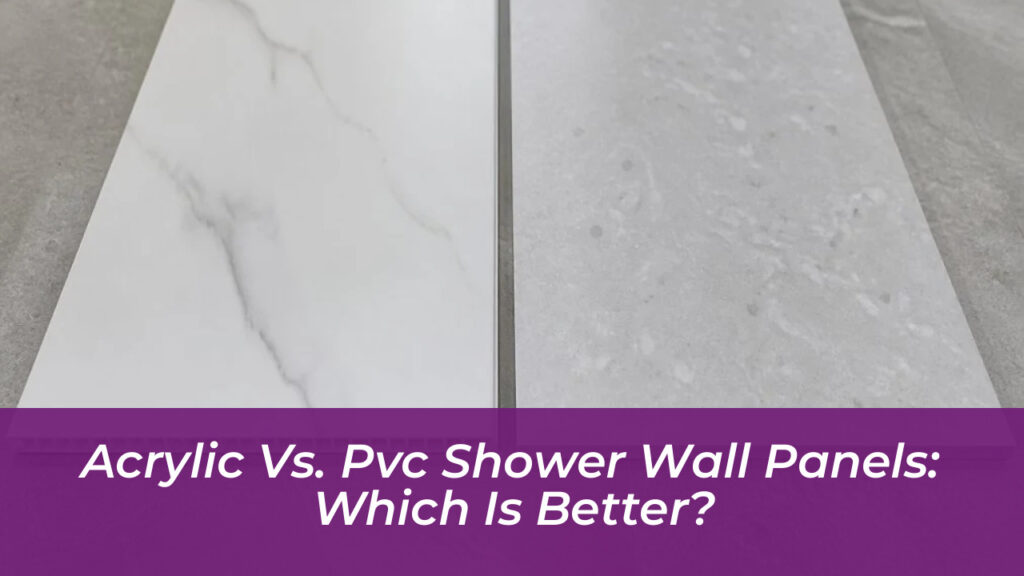
Acrylic shower wall panels are made from vacuum-formed, solid thermoplastic sheets, typically measuring around one-eighth of an inch thick. The manufacturing process creates a continuous, non-porous surface that is heavily pigmented to provide rich color depth and a high-gloss finish. Because the color runs right through the material, acrylic panels achieve a brilliant, reflective mirror-like appearance that instantly brightens compact or dimly lit bathrooms.
These large, seamless sheets are typically installed directly over moisture-resistant backer boards using heavy-duty construction adhesive. While they provide an undeniably luxurious look, their thin, rigid structure means they require absolute precision during installation. If the underlying wall studs are even slightly uneven, the rigid acrylic sheet can stress, flex, or crack under pressure.
What Are PVC Shower Wall Panels?
Polyvinyl chloride, commonly known as PVC, takes a completely different engineering approach. Rather than being a single solid sheet of plastic, rigid PVC shower wall panels are typically constructed with an advanced multi-layered, hollow-core or solid-core design. A strong polymer core provides structural rigidity, while an outer decorative film and protective top layer replicate the look of natural stone, slate, or ceramic tile.
Most PVC wall panels feature interlocking tongue-and-groove systems that snap seamlessly together, allowing installers to cover custom or oversized wall dimensions piece by piece. Measuring roughly 60% thicker than standard acrylic sheets, PVC panels offer substantial impact absorption while remaining lightweight enough for a single person to handle and cut with basic woodworking tools.
Durability and Impact Resistance: PVC vs. Acrylic
Durability involves more than just a single metric; it is about how a material handles daily friction, accidental impacts, and the constant shift of hot showers and cold drafts over years of use.
Scratch Resistance and Surface Shine
Acrylic clearly wins the battle for surface hardness. Because acrylic features a dense, uniform composition, it resists scratches better than the protective coating of standard PVC. Rings, body sponges, and everyday cleaning friction rarely leave a mark on high-grade acrylic, allowing it to maintain its deep gloss for years. PVC, while resilient, features a softer outer decorative skin that can eventually show scuffs if scrubbed too aggressively.
Impact Resistance and Shock Absorption
The performance flips entirely when dealing with blunt impacts. Acrylic is relatively brittle; dropping a heavy metal shampoo bottle or an accidental slip with a wrench can concentrate stress at a single point, causing the sheet to fracture. PVC acts as a flexible thermoplastic. When struck by a falling object, PVC absorbs and deflects the energy, flexing slightly rather than cracking. This makes PVC exceptionally forgiving in busy family bathrooms.
Installation Differences: DIY Friendly vs. Professional Precision
Labor requirements and installation ease heavily influence total project costs. If you are undertaking a weekend do-it-yourself renovation, the choice between these two materials becomes remarkably clear.
- PVC Panels: Highly DIY-friendly. The interlocking boards are lightweight, easily trimmed with a fine-tooth hand saw or utility knife, and forgiving of minor wall imperfections. Joints snap together cleanly without requiring messy silicone beads in the corners.
- Acrylic Panels: Demands professional handling. Large, unwieldy, and heavy full-wall sheets require at least two people to lift and position. A single miscalculation during cutting ruins an expensive sheet, and any unevenness in the wall demands extensive shimming before gluing.
Cost and Long-Term Value Comparison
Budget constraints often dictate material selection, and there is a noticeable price gap between the two systems.
| Feature | Acrylic Shower Panels | PVC Shower Panels |
|---|---|---|
| Average Material Cost | Mid to High ($350 – $450+ per surround) | Budget-Friendly ($150 – $250 per surround) |
| Thickness | Typically 1/8 inch (3mm) | Typically 0.200 inches (5mm to 8mm+) |
| Impact Tolerance | Low (Prone to cracking under sharp impact) | High (Absorbs blows without fracturing) |
| Repairability | Difficult (Cracks usually require full replacement) | Moderate (Surface scuffs can be hidden or replaced locally) |
PVC panels deliver upfront savings and lower installation labor expenses, making them the preferred choice for rental properties, secondary guest bathrooms, and budget-conscious renovations. Acrylic commands a higher price tag per square foot, serving homeowners who prioritize high-gloss luxury aesthetics over impact durability.
Maintenance and Cleaning Requirements
Both materials eliminate the dreaded scrubbing of mold-prone tile grout lines, but they react differently to harsh chemical cleaners over time.
To preserve acrylic’s brilliant shine, owners must avoid solvent-based cleaners, acetone, and abrasive scouring powders, which instantly cloud and permanently ruin the surface. Mild dish soap, warm water, and a soft microfiber cloth are all that is required. PVC panels share similar low-maintenance traits but require care around bleach-heavy mildew sprays, which can eventually dull the protective top film if left on too long.
Making Your Final Decision
Choosing between acrylic and PVC shower wall panels ultimately depends on who is using the space and what matters most to your budget. Select acrylic if your primary goal is achieving an ultra-glossy, seamless luxury look in a low-impact guest bathroom where careful maintenance is guaranteed. Opt for rigid PVC if you need a durable, impact-resistant, and budget-friendly solution that installs quickly, handles rough daily use, and forgives the occasional dropped bottle without cracking.