
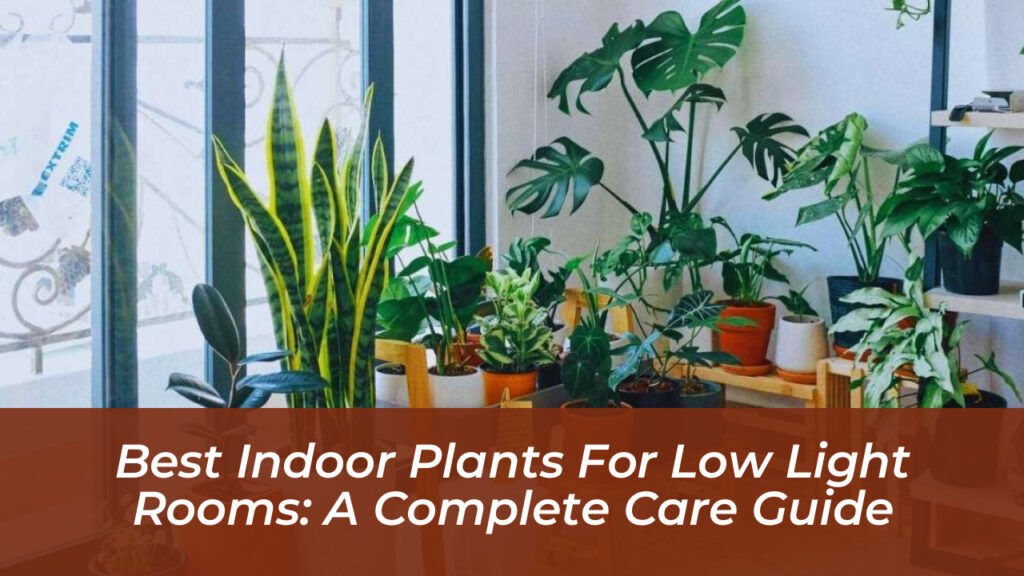
Many homes have rooms that miss out on direct sunlight. A north-facing window, a deep hallway, or a bedroom that stays perpetually dim can make bringing in greenery feel impossible. The reality is that your space isn’t the problem-the trick lies in selecting plants that evolved on the forest floor or beneath dense jungle canopies. By choosing the right species, you can create a lush, vibrant environment in even the darkest corners of your home.
Low Light Conditions
Before picking out plants, it helps to define what “low light” actually means indoors. It doesn’t mean a windowless closet with zero light sources. Instead, it refers to areas that receive no direct sun exposure, usually positioned several feet away from a window or in rooms with small, north-facing glass. These spots provide soft, indirect light that suits specific types of foliage just fine.
When placing plants in these areas, remember that their growth rate will slow down naturally. Without the energy required for rapid photosynthesis, they consume less water and nutrients. Adjusting your care routine here is essential: overwatering is the most common mistake made with low-light plants, as the soil takes much longer to dry out without strong, evaporative sunlight.
The Most Resilient Picks for Dim Spaces
Certain plants have earned legendary status for their ability to thrive in minimal light. They are forgiving, structurally interesting, and perfect for beginners who want results without constant fuss.
Snake Plant (Dracaena trifasciata)
The snake plant is arguably the most reliable option for dark rooms. With its stiff, upright leaves, it adds vertical height without eating up much floor space. It stores moisture in its thick foliage, meaning you can often go weeks between waterings. It acts as an easy-to-manage anchor for a bedroom corner or a dim home office.
ZZ Plant (Zamioculcas zamiifolia)
If you want a plant that looks lush with almost zero effort, the ZZ plant is a top-tier choice. Its glossy, deep-green leaves reflect ambient light, making the plant look bright even in shadowy spots. It grows from underground tubers that hold water, making it remarkably resistant to the occasional missed watering.
Cast Iron Plant (Aspidistra elatior)
True to its name, this plant is nearly indestructible. It became a favorite in Victorian parlors specifically because it handled the poor light and fluctuating temperatures of coal-heated homes with ease. It features broad, dark green leaves that offer a classic, sophisticated look and grows slowly enough that it rarely needs repotting.
Trailing Varieties for Shelves and Hangers
Low light doesn’t mean your plants have to stay rooted on the floor. Trailing varieties soften the hard edges of bookshelves, cabinets, and hanging baskets, drawing the eye upward to make smaller, darker rooms feel more open.
- Pothos (Epipremnum aureum): Often called devil’s ivy, pothos comes in deep greens and variegated patterns. It adapts readily to low-light shelves, tumbling downward in long, leafy vines.
- Heartleaf Philodendron: This classic vine features delicate, glossy leaves shaped like tiny hearts. It keeps growing steadily even in dim corners and bounces back fast if you happen to let the soil dry out too much.
- English Ivy (Hedera helix): While it prefers cooler rooms, English Ivy handles lower light well. It brings a traditional, trailing texture that feels right at home in a bathroom or kitchen.
Plants That Add Color and Texture
Low light doesn’t have to mean all green. Several plants offer striking patterns or unique foliage shapes that serve as natural focal points.
Chinese Evergreen (Aglaonema)
These plants are prized for their patterned leaves, which often feature splashes of silver, pink, or cream. They tolerate low light easily and stay compact, making them ideal for desks, side tables, or dark entryways without losing their bright coloration.
Prayer Plant (Maranta leuconeura)
For something with a bit of personality, the prayer plant features striking, patterned leaves that fold upward at night. It thrives nicely in the soft indirect light and higher humidity often found in bathrooms or kitchens.
Essential Care Tips for Success
Keeping indoor plants alive in dim spaces is about maintaining health and stability rather than forcing fast growth. Keep these simple practices in mind:
- Keep Leaves Clean: In low light, every bit of surface area matters. Dust blocks the light a plant needs, so wipe down the leaves with a damp cloth every few weeks.
- Check Soil Moisture: Ditch the watering schedule. Push your finger an inch or two into the soil; if it feels dry, water thoroughly until it trickles out the drainage holes. If it’s still damp, leave it be.
- Rotate Regularly: Because light is limited, plants will naturally lean toward the nearest window. Give your pots a quarter-turn every time you water to encourage even, upright growth.
- Avoid Drafts: Most indoor foliage dislikes sudden temperature swings. Keep your plants away from drafty doors, air conditioning vents, and heating grates.
Creating a Cohesive Look
When styling your low-light plants, choose your containers with care. In a darker room, light-colored or metallic pots help bounce ambient light around and make the foliage stand out. Grouping plants of different heights and textures together also creates a lush microclimate, trapping humidity that the plants will love.
Remember that even shade-tolerant plants appreciate a change of scenery once in a while. If a plant starts looking stunted or loses its vibrancy, moving it to a slightly brighter spot for a few days can give it a helpful refresh. For the rest of the time, the resilient species listed here will stay perfectly content in your dimmest rooms, proving you don’t need a sunroom to keep plants thriving.