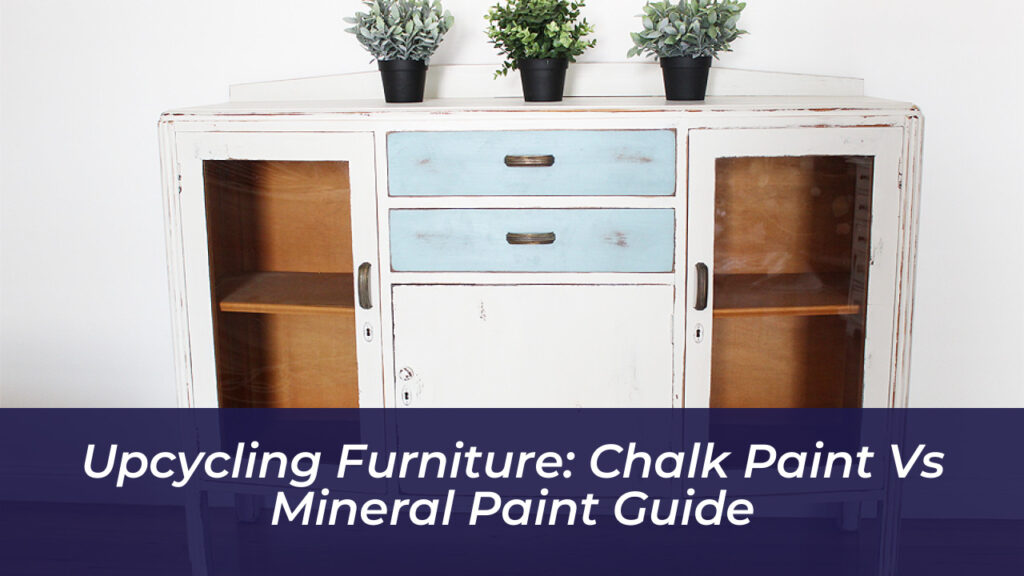
Transforming a dated wooden dresser or a tired dining chair is one of the most effective ways to refresh a room without a major renovation. Yet, as you stand in the paint aisle, you are likely faced with a common dilemma: should you use chalk paint or mineral paint? While both are staples in the furniture restoration world, they behave differently under the brush. Choosing the right one determines whether your project will look like a soft, aged heirloom or a sleek, modern piece that stands up to daily use.
Understanding the chemistry and practical application of each medium will save you from frustration and ensure your hard work lasts. This guide breaks down the differences to help you choose the right finish for your next project.
What Is Chalk Paint? The Vintage Favorite
Chalk paint is a decorative, water-based medium famous for its ultra-matte, velvety finish. It is named for the porous, chalky residue it leaves behind, which mimics the look of antique patinas. It is the go-to choice for those who love a shabby-chic or rustic style.
The primary appeal of chalk paint is its forgiving nature. It bonds to almost any surface-raw wood, finished wood, metal, glass, or laminate-often with little to no sanding or priming. For beginners, this feels like a shortcut to success. However, that same porous finish that makes it easy to apply also makes it susceptible to moisture and stains. Because of this, chalk paint requires a protective topcoat, such as clear wax or a water-based polyurethane, to seal the surface against wear.
Key Characteristics of Chalk Paint
- Flat, Matte Finish: Absorbs light for a soft, non-reflective, and rustic look.
- Minimal Prep: Adheres to most surfaces after a simple cleaning.
- Distressing Champion: Sands away effortlessly, perfect for creating layered or aged effects.
- Porous Nature: Requires a wax or liquid sealer to prevent water rings and stains.
What Is Mineral Paint? The Modern Workhorse
Mineral paint is a newer evolution in furniture refurbishment. Formulated with natural earth minerals and advanced resins, it creates a durable, self-leveling finish designed for modern households.
Unlike chalk paint, mineral paint cures to a harder, more resilient surface with a subtle eggshell or satin sheen. Many high-end formulations are “self-sealing,” meaning the protective properties are built directly into the paint. This eliminates the need for waxing or sealing, saving significant time. Its moisture resistance makes it ideal for high-traffic items like kitchen cabinets, bathroom vanities, and entryway benches.
Key Characteristics of Mineral Paint
- Satin or Eggshell Sheen: Offers a clean, contemporary look with a slight, wipeable luster.
- Self-Levelling: Flows out evenly under the brush, which helps hide brush strokes.
- Built-In Durability: Cures to a hard shell that resists scratching and fading.
- Self-Sealing: Often eliminates the need for a separate topcoat.
Head-to-Head Comparison
| Feature | Chalk Paint | Mineral Paint |
|---|---|---|
| Surface Prep | Minimal; rarely requires sanding. | Clean well; light scuff-sand recommended. |
| Finish Texture | Flat, chalky, and velvety. | Smooth, silky, low-sheen satin. |
| Topcoat Required? | Yes (Wax or poly is mandatory). | Usually optional (Self-sealing). |
| Brush Strokes | Visible unless thinned. | Levels out for a smooth finish. |
| Distressing Ease | Excellent; sands away easily. | Moderate; cures to a hard finish. |
| Best Use | Decorative pieces, frames, vintage items. | Kitchen cabinets, tabletops, high-traffic furniture. |
Surface Preparation Requirements
Preparing for Chalk Paint
Chalk paint is famous for letting you skip the primer. If you are painting a vintage dresser, a thorough cleaning with a degreaser is usually enough. Its thick consistency grabs onto glossy surfaces well. However, if your wood is prone to “bleed-through”-where tannins from oak or cherry wood stain the paint-you will still need a shellac-based primer.
Preparing for Mineral Paint
Mineral paint also adheres well, but because it dries to a thinner, harder film, it is less forgiving of grease or wax. A clean slate is mandatory. Wipe the piece down to remove all oils. For factory-finished laminate or very slick surfaces, a quick pass with 220-grit sandpaper creates a “key” for the paint to grip. Taking ten minutes to scuff-sand ensures your paint won’t peel later.
Application and Drying
Brushing chalk paint can feel slightly “draggy” because of its thick body. Many painters mist the surface or their brush with a little water to keep the paint moving. It dries quickly-often within 30 minutes-allowing for fast recoating.
Mineral paint has a milkier, thinner viscosity. Because of its self-leveling agents, brush marks tend to disappear as the paint settles. It requires roughly one to two hours between coats. Regardless of the paint you choose, remember that “dry to the touch” is not the same as “cured.” It can take 7 to 30 days for paint to reach its maximum hardness, so handle your piece with care during the first few weeks.
Durability and Maintenance
Chalk paint without a topcoat is fragile. Water rings form easily, and fingernails can scratch the finish. When sealed with a high-quality wax or polyurethane, it becomes much tougher, though wax finishes require periodic buffing and re-application over the years.
Mineral paint is engineered for high-traffic demands. Once cured, its acrylic-fortified structure stands up to sticky fingers, kitchen grease, and sliding dinner plates. It wipes clean with a damp cloth and mild soap, making it the superior choice for functional furniture that earns its keep every day.
Which One Should You Choose?
Choose Chalk Paint If:
- You want an authentic, rustic, or distressed look.
- Your project has intricate carvings where layering colors creates depth.
- You enjoy the tactile process of waxing and buffing.
- The piece will be in a low-traffic area, like a guest room or hallway.
Choose Mineral Paint If:
- You are painting high-use items like dining tables or kitchen cabinets.
- You prefer a clean, sleek, satin finish.
- You want to skip the messy waxing process.
- You need a finish that withstands daily wiping and heavy wear.
Neither paint is “better”-they are simply tools for different jobs. By assessing how your furniture will be used, you can pick the right medium to protect your hard work and enjoy your refreshed decor for years to come.