
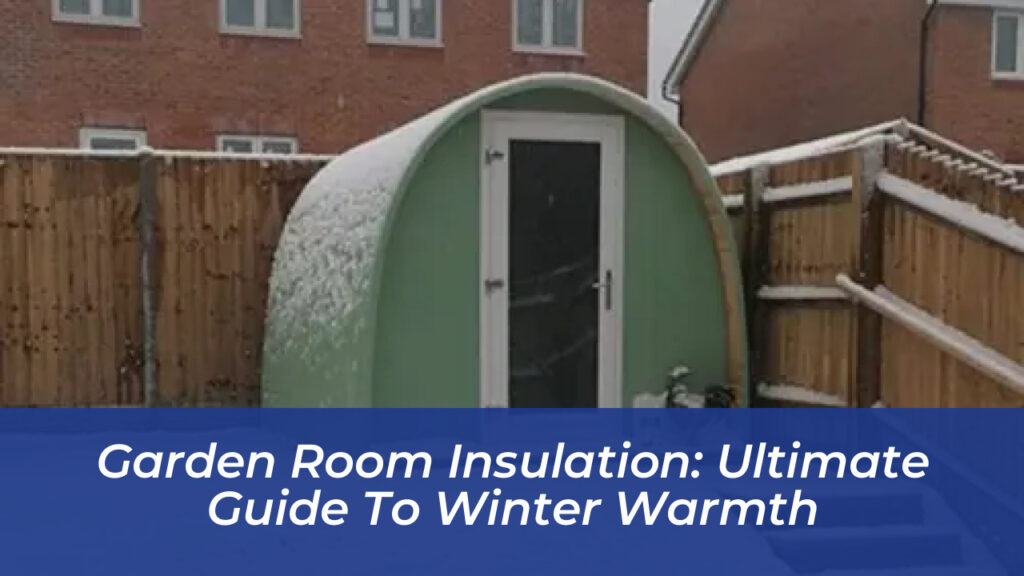
When the temperature drops and frost settles on the lawn, stepping into a backyard office or studio can feel like walking into a freezer. Many homeowners wonder if an outdoor structure can truly hold its own against a harsh winter, or if their space is destined to become an expensive storage shed until spring. The truth is, a garden room can remain warm, dry, and inviting throughout January, provided it is built to handle the elements. The difference between a retreat you use daily and an icy room you abandon in October comes down to three things: thermal insulation, window glazing, and intelligent heating.
Why Basic Summerhouses Struggle in the Cold
To understand how to keep a modern garden room warm, it helps to look at why older timber structures or budget sheds fail. A typical summerhouse features thin, single-skin walls and basic single-pane glass. When winter arrives, these materials offer no resistance to the chill. The interior temperature quickly matches the outdoors, and moisture from your breath or equipment condenses against cold surfaces. This leads to damp, peeling wallpaper, and a raw, uncomfortable environment.
Fixing this requires more than just a space heater. Pumping heat into an uninsulated room is like trying to fill a bucket with a hole in the bottom; you end up heating the garden while your electricity bill climbs. True winter comfort requires a holistic approach, starting with the walls, floors, and roof.

The Anatomy of Warmth: Core Insulation Materials
Insulation acts as a shield, slowing the rate at which warmth escapes. When evaluating construction or retrofitting options, focus on what goes inside the walls, beneath the floorboards, and above the ceiling.
Wall Insulation Options
Modern high-performance rooms use materials with low U-values-the lower the number, the better the material is at trapping heat. Popular choices include:
- PIR Rigid Foam Boards: These boards provide excellent thermal performance with minimal thickness, ideal for tight wall cavities.
- Structural Insulated Panels (SIPs): Factory-engineered panels with an insulating foam core bonded between structural boards. They eliminate cold spots and provide exceptional rigidity.
- Mineral Wool Batts: Great for both soundproofing and thermal retention, these fit snugly between stud frames and help manage moisture when paired with a vapor barrier.
Floor and Roof Protection
Heat rises, but ignoring the floor is a common mistake that leaves your feet frozen. Ground-level cold seeps up through concrete or timber systems. Installing high-density insulation beneath the sub-deck, paired with a damp-proof membrane, stops this thermal bridge. Similarly, roof insulation is non-negotiable; a thick layer under the roof structure ensures the heat you generate stays trapped inside.
Glazing and Airtightness: Stopping Drafts
Even the thickest wall insulation cannot compensate for poor-quality windows. Glass is naturally a poor insulator, making it the most vulnerable point for heat loss. Upgrading your glazing changes everything.
Double-glazing is the baseline, but triple-glazed units offer superior performance by trapping insulating gas between panes. Look for “Low-E” (low-emissivity) coatings, which reflect radiant heat back into the room while letting sunlight warm the space during the day. , ensure the frames-whether aluminum, uPVC, or engineered timber-are “thermally broken” to prevent cold from traveling through the frame itself.
Airtightness is the silent partner to insulation. Gaps around door thresholds and window frames invite whistling drafts that ruin a warm environment. Using high-grade weatherstripping and silicone sealants during construction keeps the building sealed against winter gales.
Selecting the Right Heating Solution
Once your room is insulated and airtight, maintaining a comfortable temperature requires very little energy. Choose a system that matches your usage needs:
| Heating System | Best Suited For | Efficiency & Benefits |
|---|---|---|
| Electric Underfloor Heating | Modern insulated rooms | Even warmth, saves wall space, comfortable underfoot. |
| Air-Source Heat Pumps | Year-round workspaces | Highly efficient; provides both winter heat and summer cooling. |
| Oil-Filled Radiators | Budget-conscious setups | Portable, provides steady dry heat, easy to program. |
| Wood-Burning Stoves | Larger rustic cabins | Great visual ambiance and high heat output; requires a proper flue. |
Avoid unflued gas heaters, as they produce water vapor that increases humidity and triggers condensation. Electric convection heaters, infrared panels, and heat pumps keep the air dry and crisp.
Preventing Damp and Condensation
Condensation happens when warm, moist air hits a cold surface and turns to liquid. In poorly insulated rooms, this shows up as dripping windows and mould. Solve this by eliminating cold surfaces through insulation and maintaining proper ventilation. Use vapor control layers on the warm side of your insulation to stop moisture from entering the structural cavity, and consider trickle vents to exchange stale air for fresh air without losing all your heat.

Cozy Touches for Winter Comfort
Beyond engineering, simple design choices make your space feel snug:
- Layered Rugs: Place thick wool rugs over hard flooring to provide a physical thermal break for your feet.
- Thermal Curtains: Hang heavy, lined drapes over glass doors to block the chill during long winter nights.
- Smart Thermostats: Keep a gentle background temperature (12°C to 15°C) so the room never hits freezing, making it quick to warm up when you arrive.
- Soft Furnishings: Keep blankets and cushions nearby to create an inviting, warm atmosphere.
Maximizing Your Investment
Comprehensive insulation transforms a garden room from a seasonal novelty into a functional extension of your home. Whether you need a quiet office, an art studio, or a reading sanctuary, winter weather shouldn’t dictate your schedule. By prioritizing high-quality insulation, robust glazing, and efficient heating, your outdoor retreat will remain a warm, inspiring haven all year long.