
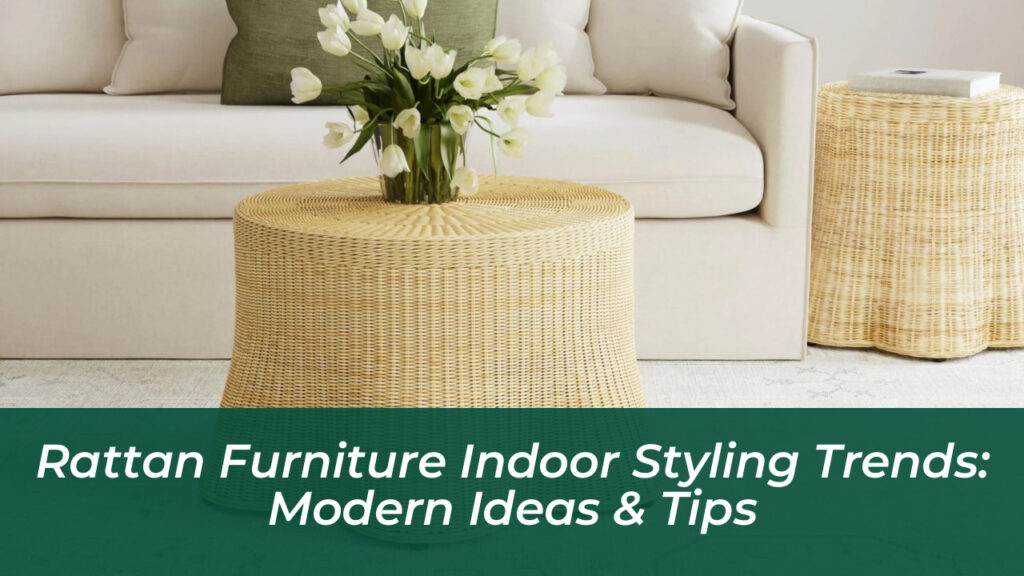
Bringing nature indoors has shifted from a passing fad to a core pillar of modern interior design. As homeowners seek spaces that feel grounded, breathable, and deeply personal, woven materials have rightfully reclaimed center stage. Among these, rattan furniture stands out for its unique blend of organic warmth and structural versatility. Whether you lean toward coastal minimalism, eclectic bohemianism, or Japandi serenity, styling rattan indoors offers endless opportunities to refresh your living environment.
Far from the dated, sunroom-only stereotypes of past decades, contemporary rattan pieces feature sleek architectural lines, artisanal handwoven details, and sophisticated finishes. Incorporating these organic elements into your daily spaces allows you to build rooms that tell a visual story while championing sustainable design practices. Let us explore how to weave current trends into your interior styling strategy for a home that feels both current and timeless.
The Evolution of Natural Materials in Modern Spaces
Interior design directions increasingly favor tactile minimalism over stark, sterile environments. People want to touch their surroundings and feel a physical connection to the items in their homes. Rattan furniture answers this call with its distinct organic grains, looped fibers, and flexible structure. Because these pieces are often handcrafted by skilled artisans, they introduce natural variations that mass-produced, synthetic furniture simply cannot replicate.
Sustainability also drives this ongoing material shift. Choosing renewable, eco-friendly materials like certified natural rattan reduces reliance on heavy lumber and energy-intensive manufacturing processes. When you introduce a handwoven coffee table or a cane-front media console into your living area, you support traditional craftsmanship while lowering your environmental footprint. This intersection of ethical sourcing and aesthetic appeal makes rattan a favorite among conscious designers.

Core Rattan Furniture Indoor Styling Trends
Integrating woven elements effectively requires an understanding of how they interact with other textures in your home. The secret lies in balance-letting the organic open-weave patterns breathe while pairing them with contrasting surfaces like smooth linen, heavy leather, or crisp white plaster.
1. Layering Tactile Textures
Flat rooms lack visual energy. To cure a sterile layout, layer multiple rattan elements of varying weights and scales throughout the same space. Combine a statement rattan accent chair with smaller storage baskets and a woven pendant light overhead. This tri-layered approach draws the eye around the room, creating an immersive, curated atmosphere that feels effortlessly put together.
2. The Rattan Living Room Centerpiece
Your main seating area sets the tone for the entire home. Swap out heavy, monolithic wooden coffee tables for a glass-top rattan table or a skirted handwoven coffee table. The open base maintains sightlines across the floor, making small spaces feel significantly larger. Style the surface with a modest stack of art books, a ceramic tray, and a small trailing succulent to highlight the rich texture of the weave beneath.
3. Biomorphic Lighting and Fixtures
Lighting trends lean heavily into organic silhouettes that mimic natural forms. Handwoven rattan pendant lights and arched floor lamps with paper-cord or wicker shades diffuse light into soft, ambient patterns. At night, these fixtures cast gentle shadows across walls and ceilings, instantly warming up cold corners and introducing a cozy, enveloping atmosphere.
4. Blending Rattan with Contemporary Upholstery
Rattan furniture thrives on contrast. Pairing a natural cane sofa with plush cream upholstery creates an inviting place to unwind. Alternatively, mix rattan accent chairs with a rich leather sofa. The fibrous weave breaks up the heavy shine of the leather, adding visual depth and a refined rustic edge to industrial or contemporary urban apartments.
Room-by-Room Rattan Styling Guide
While living rooms often claim the spotlight, rattan furniture adapts beautifully to nearly every functional zone inside the home. Here is how to scale the trend across different living spaces.
- The Bedroom: Anchor your sleep sanctuary with an intricate rattan lattice headboard. Pair it with lightweight cotton bedding, linen duvets, and bedside tables featuring cane-paneled cabinet doors to maintain an airy, restful ambiance.
- The Entryway: Place a sturdy rattan storage trunk or lidded bench near the front door. It provides a convenient spot to sit while putting on shoes and hides away clutter like umbrellas, leashes, and spare throws.
- The Reading Nook: Carve out a quiet corner by positioning a high-backed rattan lounge chair next to a tall floor lamp. Add a plush sheepskin throw and a small side table for your afternoon tea.
- The Open-Concept Divider: Use an open-back rattan shelving unit or a folding room divider to zone separate functions-such as a home office desk-within a larger multi-use living space without blocking natural light.
Pairing Rattan with Color Palettes and Greenery
The warm, honeyed tones of natural rattan serve as a neutral canvas that adapts to various color stories. However, certain palettes elevate the material to new aesthetic heights.
For a breezy coastal retreat, pair your rattan pieces with crisp white walls, pale sandy floors, and accents of navy blue, soft sage, or seafoam green. The interplay of cool marine textiles against warm woven fibers evokes an instant feeling of a seaside vacation.
Indoor greenery acts as rattan’s ultimate companion. The organic geometry of a fiddle leaf fig, snake plant, or trailing pothos echoes the natural origins of woven furniture. Slide your potted plants into tall rattan planter baskets to conceal plastic nursery pots and unify your botanical display.
Maintenance and Care for Longevity
Investing in quality rattan furniture means protecting natural fibers so they last for decades. Fortunately, maintenance requires minimal effort if done consistently.
Dust your rattan pieces weekly using a soft-bristled vacuum attachment or a dry microfiber cloth to prevent dirt from settling into the intricate weaves. Keep natural rattan out of harsh, direct sunlight to prevent the fibers from drying out and fading. If you spot a spill, blot it immediately with a damp cloth and mild soap, ensuring the material dries completely. Applying a light coat of boiled linseed oil every year or two helps keep the fibers supple and resilient.
Embracing Intentional Living Through Design
Styling your indoor spaces with rattan furniture goes beyond chasing seasonal aesthetics. It represents a conscious choice to slow down, invite nature inside, and surround yourself with objects crafted with human hands and care. By balancing textures, honoring artisanal craftsmanship, and keeping your layouts open and breathable, you can transform any house into a tranquil, welcoming sanctuary.