
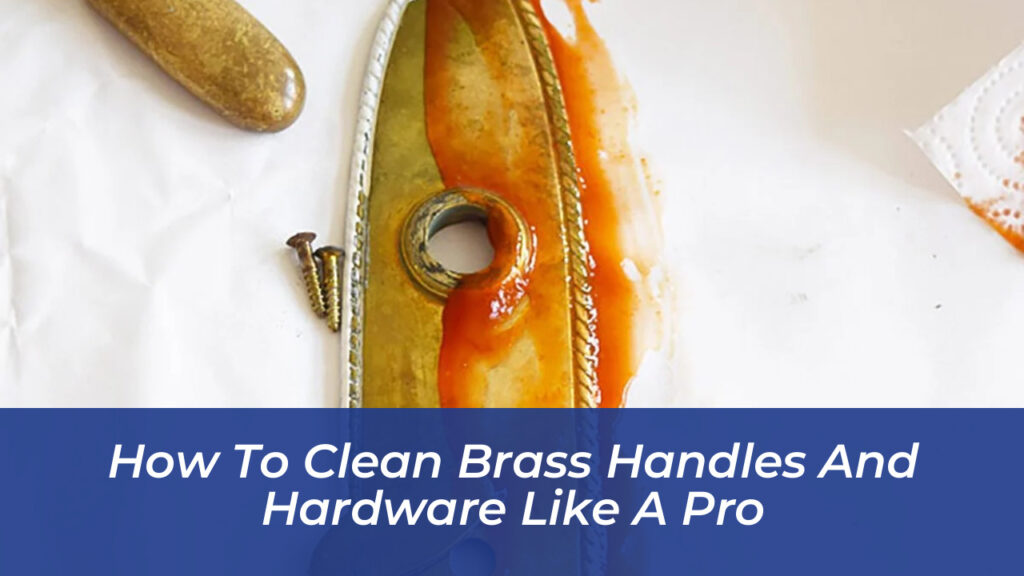
Brass hardware adds a warm, heavy weight to doors, cabinets, and drawers. Over time, daily touch, moisture, and air exposure leave a dark, dull film. Bringing back that original gleam does not call for harsh chemical strippers or expensive store-bought polishes. Instead, the best cleaners are usually found right in the kitchen. Whether wiping down fingerprint smudges on modern pulls or restoring a century-old Victorian latch covered in black tarnish, the right technique makes all the difference.
Determining Your Brass Type: Solid versus Plated
Before reaching for any cleaning supplies, check whether the hardware is solid brass or plated. This step protects the fixtures from permanent damage.
Testing is simple. Hold a small refrigerator magnet against the handle or backplate. Solid brass is non-ferrous, meaning the magnet will not stick or will show only a very weak pull. If the magnet snaps right to the metal, the piece is brass-plated steel, iron, or zinc.
- Solid Brass: Tough and able to handle mild abrasives, acidic pastes, and deep polishing. If scratched, the metal remains the same color all the way through.
- Brass-Plated Hardware: Made of a thin layer of brass over a base metal. Scrubbing too hard or using strong acids for too long wears away the plating, exposing grey or rusted metal underneath. These pieces need a much softer touch.
Gentle Daily Maintenance for Light Grime
When hardware simply looks dusty or carries minor oil smudges from everyday use, skip heavy-duty cleaners. A gentle routine keeps factory finishes intact without adding wear.
Mix a few drops of mild dish soap into a bowl of warm water. Dip a soft microfiber cloth into the suds, wring it out until it is just damp, and wipe down the surfaces. Pay attention to tight crevices around the neck of the handle and screw heads where skin oils build up. Follow up with a cloth dampened in plain water to rinse away soap, then buff the metal completely dry with a lint-free cloth to prevent water spots.
Tackling Moderate Tarnish with Natural Kitchen Ingredients
When oxidation turns golden handles a muddy brown, natural kitchen acids break down the tarnish without requiring heavy scrubbing.
The Tomato Ketchup Method
It sounds strange, but acidic condiments like ketchup make surprisingly good brass cleaners. The acetic acid in vinegar paired with the citric acid in tomatoes cuts right through oxidation.
- Squeeze a generous dollop of ketchup directly onto the tarnished brass.
- Spread it evenly so every discolored spot is covered.
- Let it sit for ten to fifteen minutes. The dark film will often start lifting within minutes.
- Rinse the hardware under warm running water to remove all residue.
- Dry and buff firmly with a soft cloth to bring back the shine.
Lemon Juice and Baking Soda Paste
For a bit more cleaning power, cut a fresh lemon in half and dip the juicy flesh into a small pile of baking soda. This creates a mild, foaming paste. Rub the lemon gently over the metal, focus on stubborn spots, then rinse and dry completely.
Restoring Severely Tarnished and Blackened Antique Brass
Hardware left in damp spaces for decades often develops a thick, black crust. Standard wipes will not touch this heavy barrier, so a stronger home remedy is needed.
Mix equal parts white vinegar and all-purpose flour with a tablespoon of fine table salt to create a thick paste. The flour keeps the acidic vinegar stuck to vertical surfaces instead of running off. Smear a thick layer over the blackened brass and let it rest for a few hours, or overnight for heavy tarnish. Scrub lightly with a soft toothbrush to work the paste into detailed carvings, rinse with warm water, and buff to a bright finish.
Preserving Patina on Antique Hardware
Not every old piece of brass needs a mirror shine. Antique collectors often prize the patina-the dark, rich color that builds up naturally over generations. Stripping away this history can lower both the look and value of an antique.
To clean an antique without losing its character, stick to warm water, mild soap, and a soft cloth. For a little protection that feeds the metal without erasing dark tones, rub a microscopic layer of pure mineral oil over the surface with a clean cloth, then wipe away any extra.
Polishing and Protecting Your Hardware for Lasting Shine
Once brass is clean, bare metal immediately starts reacting with oxygen in the air to form new tarnish. Locking in the hard work requires a protective barrier.
Put a tiny drop of olive oil or a specialized non-abrasive metal wax like Renaissance Wax on a clean cloth. Rub it thinly across the handle, let it set for a moment, and buff with a dry microfiber cloth. This invisible shield blocks moisture and hand oils, keeping the brass bright for months.