
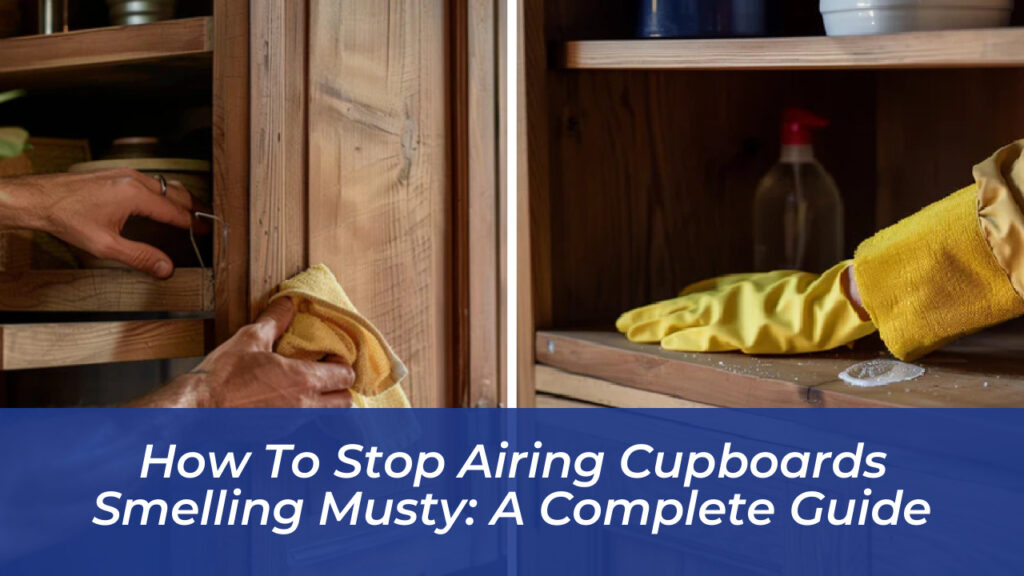
Opening a cupboard only to be met with a stale, damp smell is a common household frustration. That musty odor isn’t just an annoyance; it is a warning sign that moisture has settled into the space, creating a perfect environment for mold and bacteria. To truly freshen your storage, you need to stop masking the scent and start addressing the dampness at its source.
Finding the Source of the Odor
Before you start scrubbing, look for the reason the smell exists. Synthetic air fresheners only cover up the problem; they don’t fix the environment inside your cabinets.
Common Moisture Culprits
- Leaking Pipes: Even a slow drip from a sink or dishwasher can soak into wood or particleboard, creating a breeding ground for rot.
- Condensation: If your cupboards sit against an exterior wall, temperature shifts can cause water to bead on the back panels.
- Stagnant Air: Overcrowded shelves block airflow, trapping humidity and preventing moisture from evaporating.
- Spills and Debris: Forgotten crumbs or liquids can break down over time, leaving behind organic material that attracts mildew.
The Deep Cleaning Process
Once you’ve ruled out plumbing leaks, it is time to reset the space. You cannot deodorize a surface that still holds mold spores or old food residue.
Step 1: Clear Everything Out
Empty the cupboard completely. This is the perfect time to audit your inventory. Check expiration dates and inspect containers for leaks. If you find porous items like cardboard boxes that have absorbed the smell, it is best to toss them.
Step 2: Vacuum the Corners
Use a narrow vacuum attachment to pull up loose dust, dead insects, and crumbs from the hinges and corners. Many people skip this, but dust holds onto moisture and creates a sludge that is difficult to wipe away later.
Step 3: The Vinegar Wipe-Down
Mix equal parts white vinegar and warm water in a spray bottle. Lightly mist the interior, including the back panels and the underside of the shelves. Vinegar is acidic enough to neutralize odor-causing bacteria and kill surface-level mold without damaging wood or laminate finishes.
Step 4: The Drying Phase
This is the most important step. After wiping, use a dry, lint-free microfiber cloth to remove every trace of liquid. If the weather is humid, point a small fan into the open cupboard. Do not put your items back until the wood feels bone-dry to the touch.
Natural Deodorizers
Once the space is clean and dry, use natural agents to keep the air fresh. Avoid heavy chemical sprays, as they can leave a sticky residue that attracts more dust.
- Baking Soda: Place a small, open container of baking soda in the back corner. Replace it every three months. If you are worried about spills, use a jar with a breathable fabric cover secured by a rubber band.
- Activated Charcoal: Highly porous and efficient at trapping airborne particles, charcoal bags designed for closets are excellent for long-term moisture and odor control.
- Coffee Grounds: If you enjoy the scent, dried, used coffee grounds in a shallow dish can absorb odors. Only use this as a temporary measure, and ensure the grounds are completely bone-dry before placing them in the cupboard to prevent mold.
Preventative Maintenance
Keeping your cupboards fresh is an ongoing habit, not a one-time chore.
Optimize Airflow
If you have cupboards that rarely get opened, make a point to open the doors once a week to let the air circulate. If your kitchen layout allows, consider adding small vents to the back panels to encourage passive movement.
Manage Humidity
In damp climates, the air inside your home is the enemy. A dehumidifier can significantly reduce the moisture load on your cabinetry. For particularly damp spots, keep a few silica gel packets-the kind found in new shoe boxes-on the shelves to pull moisture from the air.
Store Items Wisely
Never store damp dish towels or sponges in a cupboard. Ensure all containers, cutting boards, and utensils are completely dry before putting them away. If your shelves are prone to dampness, use removable, moisture-resistant liners that can be washed if they get dirty.
When to Call a Professional
Sometimes, a musty smell signals a deeper issue. If you see fuzzy patches returning shortly after cleaning, or if the wood feels soft or spongy to the touch, you likely have a hidden leak or structural mold.
In these cases, a professional inspection is required. Mold behind cabinets can affect your home’s air quality and spread to other rooms. If you notice water staining on the drywall behind your cabinets, do not try to fix it with cleaning products. Call a professional to find the source of the water and ensure the area is properly dried and treated.
Keeping your cupboards fresh is about managing the environment. By prioritizing dryness, ensuring consistent airflow, and using natural absorbents, you can keep your storage spaces clean and odor-free.