
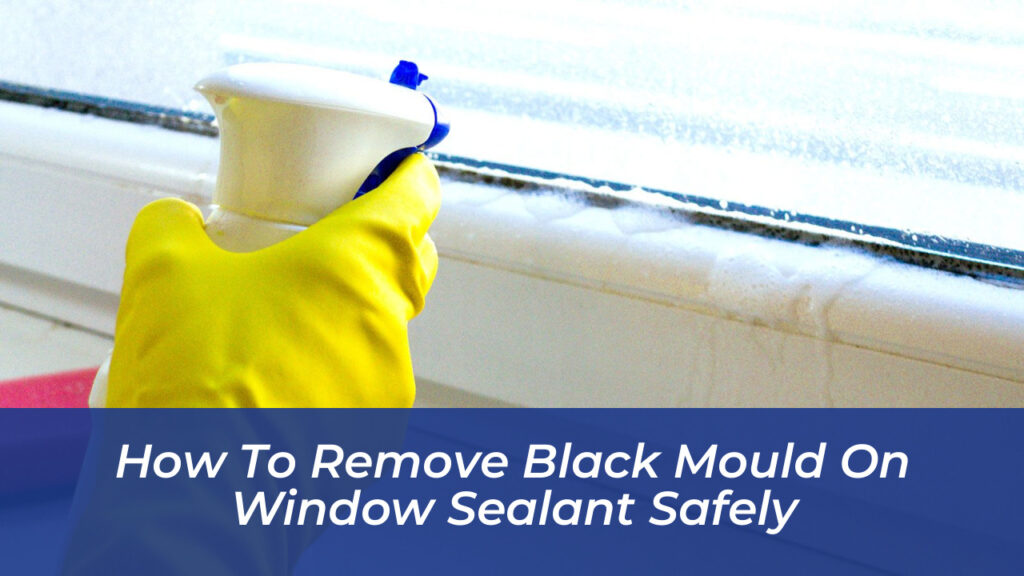
Discovering dark, speckled patches clinging to the edges of your glass panes is an unpleasant experience. Black mould on window sealant is a common household nuisance, particularly when cooler weather arrives and condensation makes a daily appearance. Beyond looking unsightly, this fungus can degrade the materials around your frames and release spores into your indoor air. While the sight of mould can be alarming, tackling the problem doesn’t require professional intervention right away. With the right techniques, appropriate safety gear, and a proper understanding of how moisture interacts with your window frames, you can restore your windows to a clean, healthy condition.
Why Black Mould Grows on Window Sealant
Silicone and rubber sealants are fundamentally non-porous materials, which often surprises homeowners when mould appears on them. The mould is not actually feeding on the silicone itself. Instead, the problem begins with condensation. When warm, moisture-laden indoor air meets the cold glass of a window, water vapour turns into liquid droplets. These droplets roll down and collect in the perimeter channels where airflow is minimal.
Dust, organic skin flakes, and microscopic cooking grease settle into these damp crevices over time. This thin film of grime provides the organic nutrients that mould spores require to germinate. Rooms with high humidity-such as kitchens, bathrooms, and bedrooms with inadequate ventilation-are prime breeding grounds. If you notice isolated patches around one or two windows, it is typically a straightforward ventilation issue. However, widespread mould accompanied by peeling paint or structural dampness may point toward failing seals or cold bridging within the wall cavity.
Essential Safety Precautions Before You Clean
Disturbing black mould sends millions of microscopic spores flying into the air, which can trigger respiratory distress, allergic reactions, or skin irritation. Setting up a proper personal protective protocol before touching a single cloth is non-negotiable.
- Respiratory Protection: Wear at least an N95 respirator mask to filter out airborne spores effectively. Standard dust masks will not stop microscopic fungal particles.
- Protective Eyewear: Splash-proof safety goggles protect your eyes from accidental chemical splatters, especially when working above eye level.
- Durable Gloves: Heavy-duty rubber or nitrile gloves ensure your skin has zero contact with harsh cleaning agents or biological matter.
- Room Ventilation: Keep the window you are cleaning wide open, and open an opposing door or window in the house to generate a cross-breeze that flushes out airborne debris.
Step-by-Step Removal Methods
Several effective approaches exist for clearing away fungal growth, ranging from gentle homemade solutions to potent commercial treatments. Selecting the right method depends entirely on how deeply the staining has penetrated the surface.
Method 1: The Gentle Soap and Vinegar Approach
For minor surface blemishes, harsh chemicals are completely unnecessary. Mix a bucket of warm water with a small amount of mild liquid dish soap. Dip a soft cloth into the solution, wring it out thoroughly so it does not add excess moisture, and wipe down the area to remove surface dirt.
Next, mix equal parts white distilled vinegar and water in a spray bottle. Mist the solution directly onto the affected sealant, allowing it to sit for approximately thirty minutes. Vinegar is a mild acid that neutralises a high percentage of common household mould species without degrading modern window materials. Take an old soft-bristled toothbrush to gently scrub the sealant crevices, then wipe the area clean with a damp microfibre cloth and dry it completely.
Method 2: Baking Soda Paste for Stubborn Stains
If vinegar and water fail to lift persistent dark marks, upgrade to a baking soda paste. Combine four tablespoons of baking soda with two tablespoons of white vinegar to form a thick paste. Apply this mixture directly across the mouldy silicone sealant lines.
Allow the paste to work for an hour or leave it overnight if the infestation is heavy. The mild abrasiveness of the baking soda helps lift stubborn biological stains while the vinegar attacks the root structure. Scrub gently with a soft brush, rinse with clean water, and wipe the surrounding area completely dry.
Method 3: Commercial Mould Removers
When natural home remedies fall short against deep-set fungal discoloration, commercial products designed specifically for mildew removal-such as specialized anti-mould gels or professional-grade sprays-offer a heavier-duty solution. Always read the manufacturer label instructions carefully before application. Apply the formula, let it dwell for the specified timeframe, scrub gently, and rinse thoroughly to ensure no chemical residue lingers on the frame.
Should You Use Bleach on Window Sealant?
Many homeowners instinctively reach for household bleach when confronting black mould. However, experts strongly advise against using bleach on uPVC windows and silicone sealants for several reasons.
Bleach is a high-pH chemical that can permanently discolour plastic frames, turning them a dull yellow or brittle brown over time. More importantly, bleach consists mostly of water; the active chlorine sits on the surface while the water sinks into porous gaps, feeding the roots of the mould beneath. , repeated exposure to bleach causes rubber gaskets and silicone sealants to degrade, crack, and shrink, completely destroying their waterproof integrity.
How to Stop Black Mould from Returning
Removing existing growth is only half the battle. Unless you address the environmental conditions that caused the mould in the first place, it will inevitably return within a few weeks.
| Prevention Tactic | Action Required | Impact on Home |
|---|---|---|
| Daily Airflow | Open windows for 5 to 10 minutes every morning | Flushes out trapped overnight humidity |
| Trickle Vents | Keep frame vents unblocked and open | Maintains continuous, passive background ventilation |
| Moisture Control | Deploy a portable dehumidifier in damp rooms | Keeps relative indoor humidity below 60 percent |
| Surface Maintenance | Wipe down window sills after cooking or showering | Denies condensation the chance to pool on seals |
In addition to these daily habits, inspect the physical condition of your window seals. If the silicone has hardened, cracked, or pulled away from the window frame, cleaning will offer only temporary relief. In such cases, completely removing the old bead of sealant and applying a fresh, mould-resistant silicone alternative is the most permanent, effective solution to break the mould cycle for good.