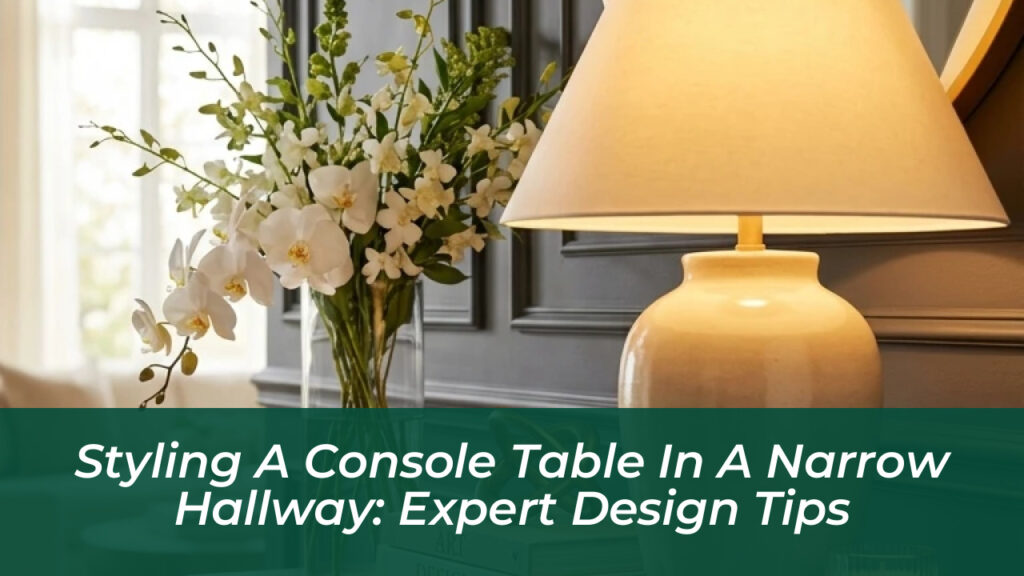
The hallway serves as the prologue to your home, setting the tone for every room that follows. When dealing with a narrow corridor, the challenge lies in balancing aesthetic appeal with the practical need for clear passage. A well-chosen console table acts as the perfect anchor, providing a surface for daily essentials while elevating the visual interest of an otherwise transitional space. Success in these tight quarters comes down to understanding scale, selecting the right silhouette, and curating your surface decor with intention.
Selecting the Right Console for Limited Width
Before you begin styling, the physical footprint of the furniture must be addressed. In a narrow hallway, every inch of floor space matters. A table that is too deep will disrupt the flow of traffic, making the area feel cramped rather than curated. Aim for a depth between 10 and 14 inches. This provides enough surface area for a lamp and a few accessories without creating a physical barrier.
Consider the visual weight of the base. A console with slender, tapered legs or an open frame allows light to pass through, which prevents the piece from looking like a heavy block against the wall. Alternatively, a wall-mounted floating console is a brilliant solution for extremely tight corridors. By eliminating legs entirely, you keep the floor plane visible, which tricks the eye into perceiving more square footage than actually exists.
Material Choices and Their Impact
- Glass or Acrylic: These materials are virtually invisible, making them ideal for tiny hallways where you want to maximize the sense of openness.
- Light Wood: Oak or ash finishes add warmth and organic texture without the heaviness of darker, stained woods.
- Metal Frames: Black or brass metal frames offer a structured, architectural look that feels modern and refined.
The Art of Vertical Styling
In a narrow space, you must utilize the vertical plane to draw the eye upward. A console table should never stand alone; it needs a companion on the wall above it to ground the arrangement. A large mirror is the classic choice for a reason. By reflecting the opposite wall, a mirror effectively doubles the visual depth of the hallway. If you prefer a more artistic approach, a single oversized piece of framed art can create a sophisticated focal point that defines the area.
When hanging your mirror or art, pay attention to the height. The bottom edge should sit roughly 6 to 10 inches above the tabletop. This gap allows for the inclusion of a table lamp or a vase without the decor feeling squashed against the wall art. If you have high ceilings, consider a gallery wall or a taller, vertical mirror to emphasize the height of the architecture.
Curating the Surface: Less is More
The most common mistake in styling a narrow console is over-accessorizing. Because the table is likely slim, a cluttered surface will instantly make the entire hallway feel chaotic. Adopt a rule of three approach: select three items of varying heights to create a balanced, professional-looking vignette.
Start with a foundation piece, such as a table lamp. Lighting is essential in hallways, which often lack natural light sources. A slim lamp with a linen shade provides a soft, welcoming glow that makes the space feel like a home rather than a passage. Next, add a functional element, such as a decorative bowl or tray for keys and mail. Finally, introduce a natural element, like a small potted plant or a vase with a single branch, to bring life to the display.
Styling Formula for Balance
| Element | Function | Styling Tip |
|---|---|---|
| Lamp | Ambient light | Choose a slender base |
| Tray | Organization | Use a contrasting material |
| Greenery | Organic texture | Keep it low-maintenance |
Incorporating Functional Storage
A narrow console doesn’t have to be purely decorative. If you struggle with entryway clutter, look for a table that includes a lower shelf. This provides a perfect spot for a basket or a box to hide shoes, umbrellas, or seasonal accessories. Using a woven basket adds a beautiful layer of texture that softens the hard lines of a console table, while also keeping the hallway floor clear of tripping hazards.
If your console lacks a shelf, you can still utilize the space underneath. A pair of matching ottomans or stools tucked neatly under the table can provide extra seating when needed. This is particularly useful in mudrooms or entryways where you might need a place to sit while putting on shoes. Ensure the stools are low enough to slide completely under the table so they don’t protrude into the walkway.
Lighting Strategies for Atmosphere
Lighting is the secret weapon of interior design, especially in windowless hallways. If your console table is near an outlet, a table lamp is the best way to add warmth. However, if you don’t have access to power, consider battery-operated LED lamps that mimic the look of traditional fixtures. These provide the same cozy ambiance without the need for unsightly cords.
Wall sconces are another excellent option for narrow hallways. By mounting lights on the wall on either side of your mirror or artwork, you free up valuable surface space on the console. This creates a high-end, gallery-like effect that feels intentional and luxurious. When choosing bulbs, always opt for a warm white temperature, typically around 2700K, to ensure the space feels inviting rather than clinical.
Seasonal Transitions and Refreshing the Look
You don’t need to purchase new furniture to change the feel of your hallway. The console table is the easiest surface in the home to update seasonally. In the spring, swap your heavy ceramic bowl for a glass vase filled with fresh tulips. During the autumn months, incorporate natural elements like dried wheat, pinecones, or a bowl of small gourds. These minor adjustments keep the space feeling current and connected to the rhythms of the year.
Periodically editing your display is just as important as adding new items. If the console starts to feel cluttered, remove everything and start fresh. Often, you will find that a simpler arrangement is more effective. The goal is to create a space that makes you feel calm the moment you walk through the door. By focusing on quality over quantity, you ensure that your narrow hallway remains a functional, beautiful, and welcoming part of your home.
Common Pitfalls to Avoid
When styling a narrow console, avoid placing large, heavy objects on the edges of the table. This can make the piece feel top-heavy and prone to being knocked over in a high-traffic area. Instead, group your heavier items toward the center of the table. Additionally, avoid using too many small, disparate objects. A collection of tiny trinkets will look like clutter, whereas one or two substantial, well-chosen pieces will look like a deliberate design choice.
Lastly, don’t ignore the floor beneath the console. A small runner rug can define the space and protect your flooring. Choose a low-pile, durable material that won’t interfere with doors opening or closing. A runner with a linear pattern can also help elongate the hallway, further enhancing the sense of length and space. By carefully considering every element from the floor up to the wall art, you can turn your narrow hallway into a stunning feature of your home.