
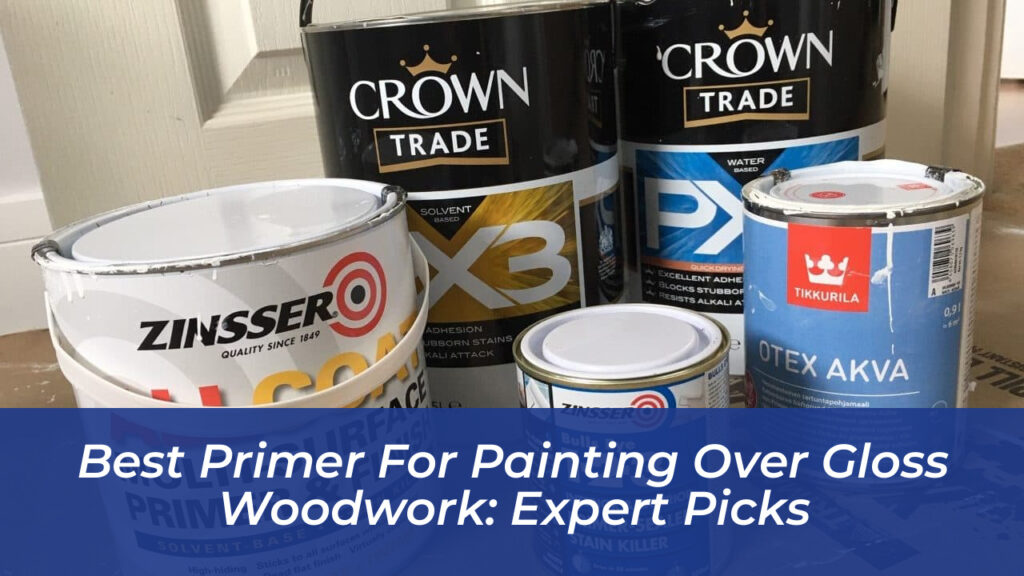
Transforming dated, shiny doors, baseboards, and window frames requires more than just opening a fresh can of paint and hoping for the best. Gloss woodwork features a hard, non-porous surface specifically engineered by manufacturers to repel moisture, stains, and-unfortunately for decorators-subsequent layers of new paint. Slapping a fresh coat of water-based or oil-based paint directly onto untouched gloss is a recipe for disaster, almost guaranteed to result in chipping, peeling, and sliding paint within a matter of weeks. The secret to a professional, long-lasting finish lies entirely in your foundational layer: choosing the right primer designed to bite into slick surfaces and hold fast.
Navigating the hardware store aisles can feel overwhelming with countless formulations promising miracle results. Some products require heavy mechanical abrasion, while others boast advanced chemical bonding technologies that claim to eliminate sanding entirely. Understanding how different chemical compositions interact with old oil-based or water-based gloss will save you hours of grueling labor and prevent costly mistakes. This guide reviews the top-performing primers on the market, breaks down the science of adhesion, and provides actionable guidance on how to prep your interior woodwork for a stunning upgrade.
Why Gloss Woodwork Rejects New Paint
To appreciate why specialized primers are non-negotiable, you must first understand the nature of gloss finishes. Traditional gloss paints-particularly older oil-based or alkyd formulations found in many homes-cure into an exceptionally hard, smooth film. This dense molecular structure lacks microscopic pores or textures. When you attempt to apply a new topcoat directly over this glass-like barrier, the liquid paint molecules have nothing to grip or anchor onto. Surface tension causes the new paint to bead up, slide, or fail to form a permanent molecular bond.
Historically, painters combated this issue through tedious manual labor: grabbing sheets of medium-grit sandpaper and physically scratching every square inch of the woodwork to create a mechanical key. While mechanical sanding remains the gold standard for absolute durability, modern adhesive science has introduced primers formulated with powerful resins. These advanced bonding agents chemically etch or fuse themselves to smooth substrates, bridging the gap between old gloss and fresh decorative coatings.
Top Primer Contenders for Glossy Woodwork
Rigorous testing and professional feedback highlight several standout products capable of mastering slick wooden surfaces. Each formula brings distinct advantages regarding drying time, odor, stain-blocking capabilities, and ease of application.
Zinsser B-I-N Shellac-Based Primer
When it comes to raw adhesion and legendary performance on difficult substrates, Zinsser B-I-N remains a staple in professional decorators’ vans. As a pigmented shellac-based formula, it dries in a remarkably short window-often ready for topcoating in under 45 minutes. It adheres flawlessly to glossy paint, varnished surfaces, and dense wood stains without requiring extensive sanding. Additionally, it excels at locking in stubborn tannin bleed, smoke damage, and water stains, ensuring your crisp new white topcoat remains unstained.
Zinsser All-Coat Multi-Surface Primer (Solvent-Based)
For high-traffic areas or environments prone to heavy daily wear, the solvent-based variant of Zinsser All-Coat offers incredible toughness. Positioned as a versatile primer-undercoat, it boasts superior opacity compared to thin water-based alternatives. This high opacity is especially critical when painting over dark or heavily yellowed oil-based gloss, as it provides a solid white foundation that can significantly reduce the number of topcoats required. It flows out smoothly under the brush, minimizing brush marks on detailed trim work.
Zinsser Bulls Eye 1-2-3 Water-Based Primer
Homeowners sensitive to strong chemical smells or those working in enclosed, occupied spaces often prefer a water-based solution. Zinsser Bulls Eye 1-2-3 is a universal interior and exterior primer that offers impressive rust-prevention and mold-resistant properties. While it can bond to slick surfaces, its success on extremely shiny melamine or old gloss is heavily optimized when the surface receives a light scuff-sanding first. It dries quickly, cleans up easily with warm water and soap, and provides a reliable base for acrylic or latex paints.
Crown PX4 Water-Based Adhesion Primer
Crown PX4 has gained immense popularity among trade professionals seeking a high-performance water-based gripping primer that also offers stain-blocking capabilities. Unlike some competing water-based primers that struggle with opacity or bleed-through, PX4 strikes an impressive balance. It grabs firmly onto existing painted woodwork, dries rapidly, and emits a much lower odor profile than traditional alkyd options, making it a comfortable choice for busy household renovations.
Comparing Oil-Based, Water-Based, and Shellac Primers
Selecting the ideal formula requires matching the primer type to your specific project conditions, topcoat selection, and environmental concerns. The following comparison outlines how each category performs on gloss woodwork:
| Primer Type | Key Adhesion Mechanism | Drying Time | Odor / VOC Level | Best Used For |
|---|---|---|---|---|
| Shellac-Based (e.g., B-I-N) | Alcohol evaporation & fast chemical fusion | 30-45 minutes | High (Alcohol smell) | Knot sealing, severe stain blocking, ultra-slick surfaces |
| Solvent / Oil-Based | Deep molecular penetration & resin bonding | 4-8 hours | Very High (Strong fumes) | Maximum durability, exterior trim, stubborn legacy gloss |
| Water / Acrylic-Based | Advanced acrylic cross-linking polymers | 1-2 hours | Low / Minimal | Eco-friendly projects, indoor living spaces, fast recoats |
Can You Really Skip Sanding When Priming Gloss?
The marketing labels on many modern primers boldly declare “No Sanding Required!” While this is technically true for many formulations under ideal conditions, professional painters advise approaching this claim with cautious optimism. Skipping mechanical preparation entirely shifts 100% of the workload onto the chemical bond of the primer.
If your existing gloss woodwork is in pristine condition-completely free of grease, soap scum, or wax buildup-a high-end bonding primer will likely adhere successfully. However, if the woodwork has accumulated years of household oils in a kitchen, or if it experiences heavy physical impacts from shoes, toys, and furniture, relying solely on a chemical bond increases the long-term risk of delamination.
A smart middle ground is to perform a light scuff-sanding or use a liquid deglosser. This hybrid approach takes minimal effort, removes surface contaminants, creates microscopic anchors for the primer, and guarantees that your investment in premium paint will withstand the test of time.
Step-by-Step Guide to Priming Over Gloss Woodwork
Achieving a factory-smooth finish on old architectural woodwork demands methodical preparation and proper technique. Follow this step-by-step workflow to ensure flawless results.
1. Deep Cleaning and Degreasing
Before any abrasive or liquid treatment touches your woodwork, you must remove all traces of grease, fingerprints, and silicone polish. Wash every surface thoroughly using a strong detergent solution or trisodium phosphate (TSP). Rinse the woodwork thoroughly with clean water to eliminate any chemical residue, and allow the timber to dry completely.
2. Assessing Surface Imperfections
Inspect the woodwork closely under bright light. Look for areas where the old gloss is chipping, cracking, or peeling away from the substrate. Use a scraper to remove any loose material. Feather the hard edges of chipped paint using fine-grit sandpaper so the transition between bare wood and old paint is completely smooth.
3. Light Scuffing or Chemical De-Glossing
If you choose to use a mechanical key, lightly rub the surfaces with a 220-grit sanding sponge or fine steel wool. The goal is not to strip the paint down to bare wood, but merely to dull the shiny sheen. Alternatively, apply a chemical liquid de-glosser with a Scotch-Brite pad to chemically etch the surface, then wipe away all residue with a clean tack cloth.
4. Application of the Primer
Stir your chosen primer thoroughly. Using a high-quality synthetic brush for water-based formulas or a natural bristle brush for oil/shellac products, apply smooth, even strokes along the grain of the wood. Avoid overloading your brush, which leads to unsightly drips and runs on vertical trim. If you are painting over a dark, vibrant gloss color with a light pastel or crisp white topcoat, apply two thin coats of primer to ensure complete opacity and uniform coverage.
Common Mistakes to Avoid When Priming Gloss Trim
Even with top-tier products, simple oversights can compromise the final finish of your painted woodwork. Avoid these frequent pitfalls to ensure professional-grade success:
- Rushing Dry Times: Applying a topcoat over primer that feels dry to the touch but hasn’t fully cured can trap solvents, leading to wrinkling and permanent bubbling. Always respect the manufacturer’s recoat window.
- Neglecting Dust Removal: Sanding creates microscopic dust particles that settle into corners and crevices. Failing to vacuum and wipe down surfaces with a tack cloth before priming creates a barrier layer that prevents proper adhesion.
- Using the Wrong Applicator: Cheap brushes shed bristles into your wet primer, ruining the smooth texture of your trim. Invest in professional-grade brushes designed for the specific paint chemistry you are using.
- Skipping Surface Washing: Painting over kitchen cabinets or bathroom trim without thoroughly degreasing is the number one cause of premature paint failure, regardless of how expensive your primer is.
Final Verdict: Selecting the Best Primer for Your Project
Ultimately, the best primer for painting over gloss woodwork depends entirely on your specific project parameters. If you are racing against the clock and need an aggressive bond that blocks stubborn stains instantly, Zinsser B-I-N Shellac-Based Primer is an unbeatable choice. If your project involves large expanses of interior trim where you desire high opacity, excellent flow, and a robust solvent-based grip, Zinsser All-Coat (Solvent-Based) delivers exceptional professional results.
For environmentally conscious DIYers prioritizing low odor and easy cleanup, water-based options like Crown PX4 or Zinsser Bulls Eye 1-2-3 provide reliable performance when paired with proper surface cleaning and light scuffing. By investing time in thorough preparation and selecting a specialized bonding primer engineered for slick surfaces, you will achieve a durable, beautiful finish that revitalizes your home woodwork for years to come.