
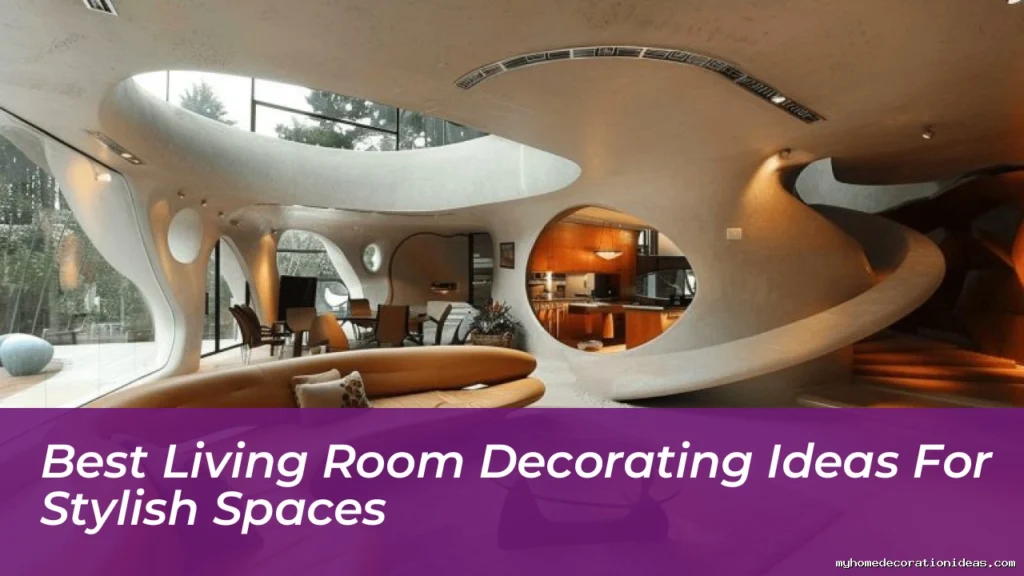
Designing a living space begins with thoughtful planning and inspired living room decorating ideas that blend aesthetic appeal with everyday functionality. The living room serves as the social core of any home, hosting quiet evenings, lively gatherings, and daily moments of relaxation. Designing this space requires a careful balance of color psychology, spatial ergonomics, and textural variation. Every decorative choice influences the overall atmosphere, from the color palette on the walls to the placement of accent lighting. Thoughtful design converts a generic room into an inviting sanctuary tailored to personal routines and architectural realities.
Modern interior design emphasizes purposeful curation over visual clutter. Strategic furniture positioning opens up congested floor plans, while layered lighting schemes alter the mood of the room throughout the day. Selecting durable fabrics, versatile storage solutions, and cohesive color palettes ensures the environment remains visually stimulating yet practical for daily living. The following strategies provide actionable frameworks for upgrading any residential living area into a sophisticated, comfortable retreat.
Establishing a Cohesive Color Palette
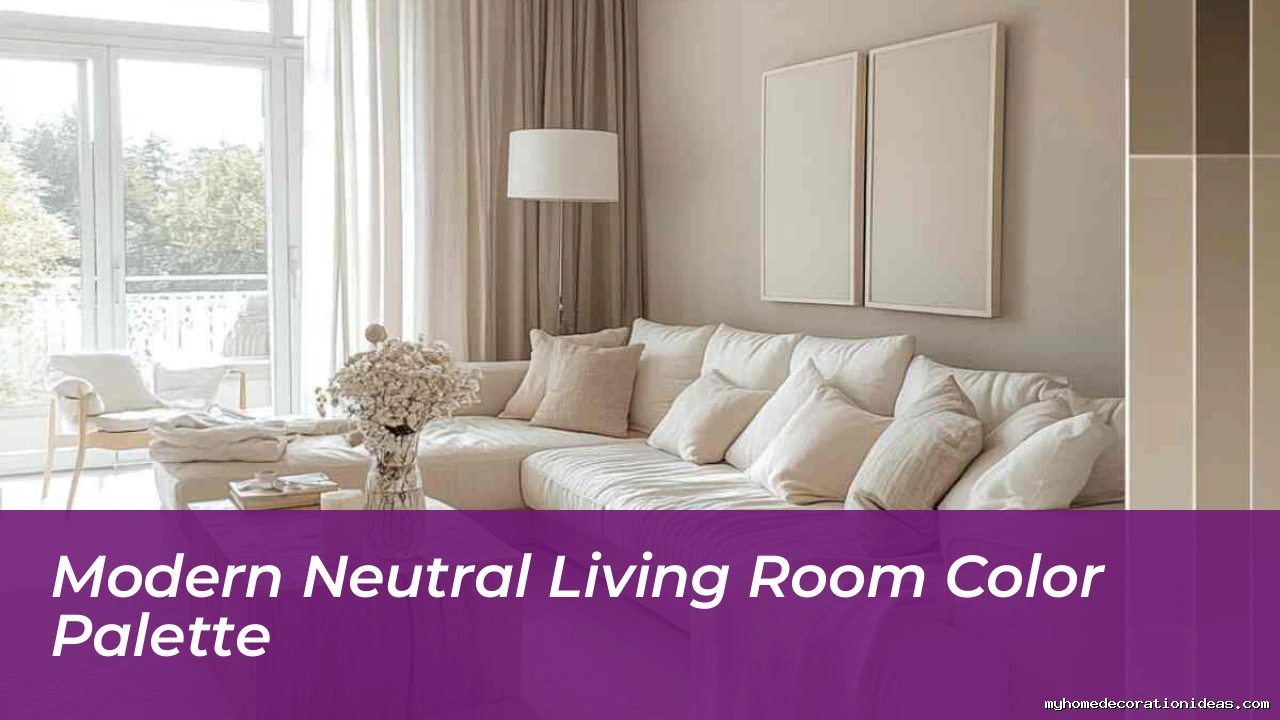
Color sets the psychological tone of a living room before any furniture enters the space. Establishing a disciplined color palette prevents visual chaos and unifies disparate design elements. Interior designers typically rely on the sixty-thirty-ten rule to maintain visual equilibrium. Sixty percent of the room features a dominant neutral shade on large surfaces like walls and large area rugs. Thirty percent incorporates a secondary tone on upholstery or drapery, while ten percent introduces an accent color through decorative accessories and pillows.
Warm neutrals such as warm beige, soft taupe, and creamy off-white create an expansive, airy environment that maximizes natural light reflection. Conversely, cool tones like slate gray, sage green, and muted navy impart a sense of calm and collected sophistication. High-contrast accent walls work best when applied to architectural focal points, such as the wall behind a fireplace or media console, rather than random partitions. This intentional application draws the eye naturally and establishes a clear hierarchy within the room.
Optimizing Layout and Furniture Placement
Functional layout planning dictates how people move and interact within a living room. Poor traffic flow ruins even the most expensively decorated space. Begin by identifying the primary focal point, whether that is a fireplace, a scenic window view, or an entertainment center. Arrange primary seating arrangements to face this focal point while maintaining open pathways for easy navigation around the perimeter of the room.
In smaller rooms, floating furniture away from the walls creates an illusion of depth and prevents a cramped perimeter feel. Large open-concept living rooms benefit from floating seating groups anchored by oversized area rugs. This technique defines distinct conversational zones without requiring physical partitions or solid walls, keeping the overall space feeling open, connected, and airy.
Layering Textures and Fabrics
Monochromatic or neutral color schemes rely heavily on textural variation to avoid feeling sterile or flat. Combining tactile finishes adds depth and tactile richness to the environment. Pair a smooth leather sofa with chunky knit wool throw blankets, woven rattan accent chairs, and distressed reclaimed wood coffee tables to introduce rustic warmth against sleek surfaces.
Window treatments further enhance textural depth. Heavy linen drapery panels that pool slightly on the floor introduce vertical softness, while bamboo roman shades filter harsh sunlight with organic warmth. Velvet throw pillows, bouclé armchairs, and polished brass hardware contribute micro-contrasts that elevate the sensory experience of the room, making it feel curated and lived-in.
Maximizing Natural and Artificial Lighting
Lighting design requires a multi-tiered approach rather than relying on a single overhead fixture. Ambient lighting provides general illumination, task lighting supports specific activities like reading, and accent lighting highlights architectural features or art pieces. Floor lamps placed in dark corners expand visual boundaries, while dimmable wall sconces free up valuable surface space on side tables.
Introduce mirrors opposite primary light sources to bounce natural daylight deeper into north-facing rooms. Warm LED bulbs ranging from 2700K to 3000K maintain an inviting, residential atmosphere. Dimmers installed on all primary circuits allow you to effortlessly shift the room from bright, energetic morning layouts to intimate, low-light evening settings.
Integrating Functional Storage Solutions
Clutter disrupts the visual harmony of any living space. Incorporating discreet storage solutions keeps essential items accessible yet out of sight. Built-in shelving units surrounding a fireplace utilize vertical wall space efficiently, offering open display areas alongside closed lower cabinets for media equipment and board games.
Multifunctional furniture pieces serve dual purposes in compact rooms. Storage ottomans conceal extra throw blankets and pillows, while coffee tables featuring lift-top mechanisms provide impromptu workspace surfaces without demanding extra square footage. These smart additions preserve clean sightlines and eliminate visual friction in busy family homes.
Selecting Statement Rugs for Spatial Definition
Area rugs do more than protect flooring; they anchor furniture groups and define conversational zones. A common design error involves selecting a rug that is too small for the seating arrangement. All major furniture legs should rest comfortably on the rug, or at minimum, the front legs of sofas and armchairs must sit atop the perimeter to unify the grouping.
Natural fiber rugs like sisal and jute offer incredible durability and neutral texture for high-traffic family rooms. Vintage wool Persian rugs introduce rich color saturation and historical character to modern minimalist interiors, softening hard architectural lines and adding layers of timeless charm.
Curating Gallery Walls and Artwork
Blank walls leave a room feeling unfinished. Curating a gallery wall or hanging a singular oversized statement canvas injects personality and artistic focus into the space. When designing a gallery wall, lay out the frames on the floor first to test spacing and compositional balance before driving nails into drywall.
Maintain consistent frame finishes for a clean, intentional look, or mix vintage ornate frames with sleek modern profiles for an eclectic aesthetic. Hang artwork at eye level, roughly 57 inches from the center of the piece to the floor, to ensure optimal viewing angles for seated and standing guests.
Bringing the Outdoors In with Biophilic Design
Greenery breathes life into indoor environments, improving air quality while introducing organic shapes and vibrant color. Incorporate a mix of plant varieties with differing leaf structures and heights. Tall fiddle-leaf figs or Bird of Paradise plants fill awkward empty corners, while trailing pothos plants cascade elegantly from high bookshelves.
For spaces with limited natural sunlight, hardy snake plants and ZZ plants thrive with minimal maintenance. Pair live plants with natural stone planters, terra cotta pots, and wooden plant stands to reinforce the organic theme and connect your interior space to the natural world outside.
Styling Coffee Tables and Mantels
Styling flat surfaces requires a delicate balance of asymmetry and proportion. The rule of odd numbers dictates that grouping items in threes or fives creates a more natural, visually appealing arrangement than even numbers. Combine hardback coffee table books, scented candles in glass vessels, and sculptural ceramic objects of varying heights.
When styling a fireplace mantel, create visual tension by anchoring one side with a large piece of art and balancing the other side with a cascading plant or a collection of pillar candlesticks. Leave negative space between objects to prevent the surface from feeling crowded or chaotic.
Incorporating Accent Walls and Architectural Details
Adding depth to flat drywall through non-structural wall treatments instantly elevates a room’s architectural pedigree. Utilize board and batten wainscoting, picture frame molding, or vertical wood slat paneling to introduce tactile shadows and rich visual rhythm along plain walls.
Applying peel-and-stick wallpaper offers a renter-friendly alternative for introducing bold patterns and rich color into a focal point alcove. These architectural enhancements provide high-impact style transformations without requiring extensive carpentry or major structural renovations.
Designing for Multi-Generational and Pet-Friendly Living
High-traffic homes require materials that withstand daily wear without sacrificing style. Selecting durable, stain-resistant fabrics like performance velvet, solution-dyed acrylics, and heavy-duty canvas ensures your seating upholstery resists spills, claws, and heavy daily use.
Balance aesthetic appeal with everyday durability and safety by rounding sharp furniture corners, securing heavy shelving units to wall studs, and opting for washable area rugs. Choosing performance textiles allows households with children and pets to enjoy sophisticated decor without constant worry over maintenance.
Frequently Asked Questions
How do I choose the right color palette for a small living room?
Opt for a dominant warm neutral palette on walls and large furniture to reflect natural light and create an expansive feel. Introduce pops of color through easily swappable accessories like pillows and throws.
What is the sixty-thirty-ten rule in interior design?
This classic design guideline allocates 60 percent of your room to a dominant color, 30 percent to a secondary supporting tone, and 10 percent to a bold accent color.
How high should I hang artwork in my living room?
Hang artwork at eye level, ensuring the center of the piece sits approximately 57 inches off the finished floor for optimal viewing comfort.
What is the best way to arrange furniture in an open-concept living room?
Use large area rugs to anchor seating groups away from walls, creating distinct conversational zones that maintain smooth traffic flow throughout the greater space.
Can I mix different wood tones in the same room?
Yes, mixing wood finishes creates a layered, collected-over-time aesthetic. Just ensure they share a similar undertone, such as all warm or all cool.
Are heavy draperies suitable for small windows?
Heavy drapes work well if mounted several inches above the window frame, extending slightly past the sides to maximize incoming natural light.
Key Takeaways
- Establish a disciplined color palette utilizing the sixty-thirty-ten design rule for optimal visual balance.
- Float furniture away from walls in small or open-plan rooms to improve traffic flow and spatial perception.
- Layer diverse textures, such as leather, chunky knits, and reclaimed wood, to prevent neutral rooms from feeling flat.
- Utilize multi-tiered lighting strategies combining ambient, task, and accent sources with warm LED bulbs.
- Incorporate multifunctional furniture and vertical storage to maintain a clutter-free environment.
Conclusion
Redesigning your living room is an opportunity to craft a space that marries beauty with daily practicality. By carefully orchestrating color palettes, optimizing spatial layouts, and layering rich textures, you create an environment that feels both curated and deeply comfortable. Whether you implement subtle biophilic elements or undertake a complete furniture rearrangement, these design principles provide a reliable roadmap for elevating your home central gathering space.