
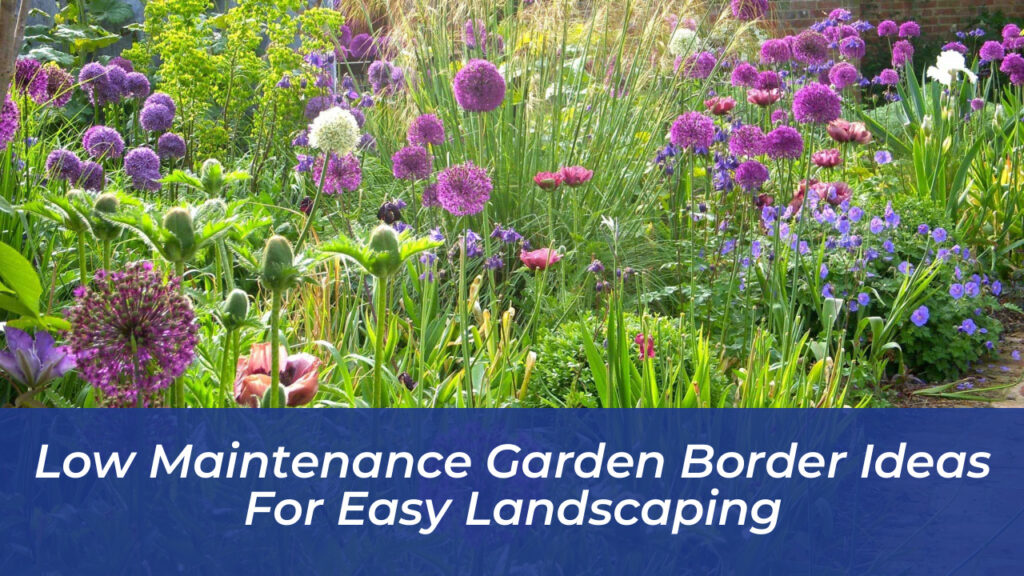
Creating a stunning landscape around your home does not mean you have to spend every weekend weeding, trimming, and watering. In fact, some of the most striking outdoor spaces rely on clever planning and resilient materials that practically look after themselves. Whether you are dealing with a sprawling backyard or a compact suburban front yard, establishing a clean boundary between your lawn and planting beds makes a massive difference. By selecting the right combination of tough perennials, structural shrubs, and durable physical edging, you can achieve a polished aesthetic that stands up to the seasons with minimal intervention.
The secret to effortless landscaping lies in understanding your environment and working with nature rather than against it. When you implement a hands-off approach to your planting design, you save precious time while simultaneously creating a sustainable ecosystem that supports local pollinators and soil health. Let us explore the most effective strategies, plant selections, and physical barriers you can use to build gorgeous, low-effort garden borders.
1. Assess Your Site Conditions for the Right Plant Match
The golden rule of effortless gardening is simple: right plant, right place. Before you purchase a single shrub or packet of seeds, take time to evaluate your border exposure. Does your boundary bake in the hot afternoon sun, or does it sit in deep, damp shade cast by nearby structures or trees? Matching your flora to the specific microclimate of your yard eliminates the need for constant artificial watering and specialized fertilizers.
For sun-drenched borders, choose drought-tolerant species that shrug off hot summer spells without wilting. Lavender, ornamental grasses, and coneflowers thrive in bright, dry conditions and provide incredible seasonal color. Conversely, if your border receives little direct sunlight, focus on shade-loving foliage like hostas, hardy ferns, and colorful heucheras. When plants are genuinely happy in their environment, they require very little help from you to flourish.
2. Define Clean Lines With Durable Physical Edging
One of the primary reasons garden beds begin to look messy is the relentless creep of grass and weeds across boundaries. Installing a solid physical edge solves this problem instantly, creating a crisp barrier that keeps mulch inside and turf outside. Choosing the right edging material elevates the entire design of your landscape.
- Corten Steel: Offers a modern, industrial look with a protective rust patina that resists long-term weather damage.
- Natural Stone: Provides a timeless, earthy aesthetic that blends effortlessly into cottage-style or formal gardens.
- Brick Pavers: Highly durable and heavy enough to stay put, creating a classic mowing strip alongside your lawn.
- Recycled Plastic Strips: A budget-friendly, flexible option that curves gracefully around organic garden shapes while blocking invasive roots.
3. Anchor Your Design With Evergreen Structural Shrubs
Many beginners make the mistake of planting only herbaceous perennials that completely die back in the winter, leaving bare, muddy dirt during the colder months. A truly low-maintenance border requires a reliable backbone of evergreen shrubs that provide structure, color, and architectural interest all year round.
Slow-growing boxwoods, dwarf conifers, and compact evergreen hebes offer year-round greenery without demanding frequent pruning sessions. Position these foundational shrubs toward the back or middle of your border. As your flowering perennials grow and eventually fade, the evergreen backdrop keeps the garden looking intentional and neat even in the dead of winter.
4. Use Thick Organic Mulch to Suppress Weeds
Weeding is arguably the most tedious chore in any yard, but you can drastically reduce the time spent on your knees by applying a generous layer of mulch. Mulching acts as a protective blanket over the soil, locking in vital moisture during dry spells and blocking sunlight from reaching weed seeds trapped beneath the surface.
Spread a two-to-three-inch layer of shredded bark, composted woodchips, or decorative gravel across your garden beds every spring. Organic mulches slowly break down over time, enriching the underlying soil structure with essential nutrients. If you prefer a contemporary, ultra-low-maintenance look, a deep layer of decorative pebbles or crushed stone provides exceptional drainage and never needs replenishment.
5. Embrace the No-Dig Gardening Method
Traditional gardening often assumes you need to turn over the soil with a shovel every single season. In reality, heavy digging disrupts beneficial soil microbes, brings dormant weed seeds to the surface, and wastes valuable time. The no-dig method is a game-changer for busy homeowners looking to minimize physical labor.
To establish a no-dig border, simply layer compost or well-rotted manure directly over the soil surface around your existing plants. This approach feeds the earthworms and microorganisms that naturally aerate the dirt for you. Over time, your garden beds become richer, drain better, and require significantly less watering and weeding.
6. Plant in Dense Communities to Crowd Out Weeds
Nature abhors a vacuum. If you leave wide expanses of open soil between isolated plants, weed seeds will quickly move in to fill the void. Instead of spacing individual plants far apart, adopt a naturalistic planting style by grouping resilient perennials and groundcovers closely together.
When mature plants knit their foliage together, they form a living canopy that shades the ground completely, making it nearly impossible for weeds to germinate. Hardy geraniums, creeping sedums, and sweet woodruff make exceptional living mulches that spread gently to cover empty pockets without choking out your larger feature plants.
7. Select Resilient Perennials That Require Zero Deadheading
Traditional cottage gardens filled with roses and heavy annuals require constant pinching, pruning, and deadheading to keep them looking tidy. To save hours of maintenance, fill your borders with tough perennials that look wonderful even as their blooms naturally age.
Incorporate ornamental grasses like feather reed grass and switchgrass, which sway gracefully in the breeze and hold their structural form straight through the winter. Combine these with drought-tolerant flowering perennials such as black-eyed Susans, ornamental alliums, and hardy salvias. Allow their spent flower heads and seed stalks to stand through the colder months to feed local birds, then perform a single annual cut-back in late winter.
8. Introduce Low-Growing Edging Herbs and Flowers
The very front edge of your garden border deserves special attention since it meets your pathway, patio, or lawn. Planting low-growing, aromatic herbs and mounding perennials along this perimeter softens harsh lines and releases delightful fragrances as you walk past.
Compact culinary herbs like creeping thyme, chives, and dwarf rosemary thrive in poor, well-drained soil and require almost no supplemental water once established. You can harvest the leaves for cooking throughout the summer while enjoying their pretty purple and white blossoms that attract beneficial pollinators to your yard.
Summary Table: Comparing Low-Maintenance Border Materials
| Border Material | Maintenance Level | Best Aesthetic Fit | Key Benefit |
|---|---|---|---|
| Corten Steel | Very Low | Modern, Industrial | Sharp, rust-resistant clean lines |
| Natural Stone | Low | Rustic, Cottage, Formal | Exceptional durability and weight |
| Shredded Bark Mulch | Medium (Annual top-up) | Natural, Woodland | Retains soil moisture and feeds earthworms |
| Gravel / Pebbles | Very Low | Contemporary, Xeriscape | Superior drainage and permanent weed suppression |
| Living Plant Edging | Low | Soft, Organic | Attracts pollinators and naturally blocks grass |
9. Incorporate Bulbs for Effortless Seasonal Surprises
To inject bursts of vibrant color into your garden borders without adding ongoing chores, plant hardy bulbs beneath the soil surface in the autumn. Spring-blooming bulbs like daffodils, botanical tulips, and snowdrops naturalize over time, meaning they return and multiply year after year with zero human assistance.
By the time your larger perennial plants are just beginning to wake up from their winter dormancy, your bulb border will already be bursting with cheerful color. Once their blooming cycle finishes, simply let their green foliage wither naturally so the bulbs can store solar energy for the following season.
Final Thoughts on Maintaining Your New Garden Edge
Designing a low-maintenance garden border is all about shifting your mindset from micromanaging every single plant to establishing a self-sustaining outdoor community. By combining heavy-duty physical edging to control turf migration, thick organic mulch to block unwanted weeds, and tough, drought-resistant plant varieties, you eliminate the daily chores that make yard work feel like a burden.
Take your time analyzing your soil and sunlight levels before purchasing plants, invest in sturdy foundational evergreens, and let nature handle the heavy lifting. With these strategic design choices in place, you will spend less time sweating behind a lawnmower or pruning shears and much more time relaxing and enjoying the natural beauty of your landscape.