Stepping through the front door of a newly rented house in the UK often brings a mix of excitement and quiet frustration. You want the space to reflect your personality and offer genuine comfort after a long day, yet you are immediately confronted by restrictive tenancy clauses. Landlords across the UK protect their investments with stringent rules against painting walls, drilling structural holes, or swapping permanent fixtures. When a single picture hook can spark a deposit dispute, finding creative ways to personalise your home becomes an art form. Fortunately, creating a stylish, warm sanctuary does not require structural overhauls or permanent alterations. By leveraging clever spatial tricks, non-damaging hanging solutions, and high-impact textiles, you can completely redefine a sterile rental property into a tailored home.
Decoding Your Tenancy Agreement Before You Start
Before buying a single cushion or testing an adhesive strip, you must open your tenancy agreement and review the clauses concerning alterations, fixtures, and decoration. Some UK landlords are remarkably relaxed about small changes as long as you return the property in its original condition, while others enforce zero-tolerance policies. Look specifically for wording regarding wall fixings, sticky products, and window treatments.
When the lease remains ambiguous, direct communication prevents future conflict. Reach out to your landlord or letting agent with a polite email clarifying your intentions. Asking permission to use heavy-duty picture strips or swap out tired cabinet handles often results in a green light, provided you restore the original fittings before moving out. Knowing your exact boundary lines keeps your deposit safe while giving you the confidence to execute your design vision.
Mastering Non-Damaging Wall Solutions
Blank white or neutral grey walls are a renter’s signature canvas. While you cannot grab a roller and paint the living room midnight blue, you can manipulate wall surfaces creatively without leaving a single mark behind.
Utilising Removable Picture Strips and Hooks
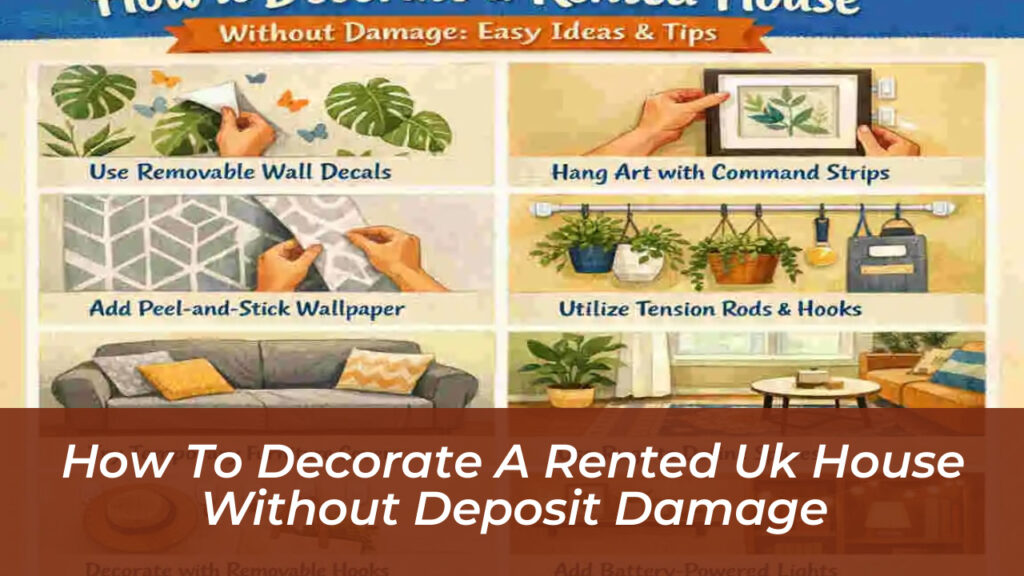
Modern engineering has provided renters with remarkable adhesive tools. High-grade removable picture hanging strips and damage-free hooks support surprisingly heavy mirrors, floating frames, and canvas art. Success with these products depends entirely on meticulous preparation:
- Clean the wall surface thoroughly with isopropyl alcohol and let it dry completely before applying any adhesive.
- Strictly adhere to the manufacturer’s weight limits, erring on the side of lighter frames to prevent sudden slips.
- Test a small adhesive tab in a hidden area, such as behind a door, to ensure the paint type does not peel away upon removal.
- When the time comes to move out, stretch the release tabs slowly and parallel to the wall rather than pulling straight out.
Leaning Artwork for a Modern, Effortless Aesthetic
Avoiding wall fixings altogether unlocks one of the most sophisticated interior design tricks available. Leaning oversized framed prints against a wall on top of a chest of drawers, sideboard, or mantelpiece creates an instant architectural focal point. This approach eliminates nail holes entirely and allows you to swap or adjust your artwork seasonally without breaking a sweat. Placing a large, heavy frame directly on the floor in a bedroom corner or living room adds an organic, curated feel that mimics high-end interior styling.
Fabric Hangings and Peel-and-Stick Accents
Large tapestries, woven wall hangings, and textile art soften cold plaster surfaces while absorbing ambient sound. You can hang lightweight textiles using tiny pushpins that leave virtually invisible pinholes, which are easily dabbed with white filler upon departure. For bolder statements, temporary peel-and-stick wallpaper applied to a designated backing board or a small nook adds immediate pattern and colour without bonding directly to volatile rental paint.
Transforming Living Spaces With Textiles and Layering
When you cannot alter the physical bones of a room, soft furnishings become your primary design weapons. Textiles introduce warmth, texture, and deep colour saturation that neutralize clinical landlord-issue decor.
Area rugs act as a renter’s ultimate superpower. Standard rental properties often feature dated carpets, cold laminate, or worn tiles that drag down the visual appeal of a room. Laying down a large, plush area rug anchors your seating arrangement, masks unappealing flooring, and dampens footsteps. Ensure your rug is appropriately scaled; a rug that is too small makes a room feel disjointed, whereas a generous size unifies the entire space.
On sofas and beds, layer tactile elements to create an inviting atmosphere. Combine heavy wool throws, linen pillow covers, and textured cushions in a cohesive colour palette. If your rental sofa suffers from a dated pattern or faded upholstery, drape a generous, high-quality throw blanket over the main seating cushions to instantly neutralize the eyesore.
Upgrading Lighting Schemes Without Rewiring
Harsh, overhead pendant lighting is the bane of rental interior design. Cold, glaring bulbs destroy an evening’s atmosphere and make rooms feel clinical. Bypassing fixed electrical wiring is entirely possible by shifting your focus to portable lighting.
Introduce multiple layers of illumination across different heights:
- Floor Lamps: Position tall, arched, or tripod floor lamps in dark corners to push light upwards and create architectural depth.
- Table Lamps: Place stylish bedside lamps and console table lights with warm-toned bulbs to establish an immediate sense of coziness.
- Plug-In Wall Lights: Use clever plug-in sconces mounted with heavy-duty adhesive channels to frame a bed or mirror without touching internal electrical circuits.
- Battery-Operated Accent Lights: Install puck lights inside open shelving units or dark cupboards to highlight decor without needing power sockets.
Maximising Storage Through Freestanding Furniture
Storage constraints represent one of the most common complaints among UK renters. Built-in wardrobes are frequently small, and drilling custom shelving into the walls is strictly prohibited. The solution lies entirely in strategic, freestanding furniture.
Invest in tall bookcases, modular cube storage units, and slimline sideboards that utilize vertical wall space without requiring mechanical anchoring. Multi-functional pieces are particularly valuable; storage ottomans conceal unsightly clutter like winter blankets or board games while doubling as extra seating. In the kitchen, a rolling utility cart or a freestanding butcher’s block dramatically increases counter space and storage capacity without modifying permanent cabinetry.
Breathing Life Into the Home With Indoor Foliage
Plants offer an immediate, organic antidote to neutral, lifeless rental properties. Introducing greenery softens harsh angles, injects vibrant colour, and dramatically improves indoor air quality.
Select plant varieties that match your home’s natural light levels:
- Low-Light Tolerant: Snake plants, ZZ plants, and pothos thrive in darker hallways and north-facing bedrooms.
- Bright, Indirect Light: Monstera deliciosa, peace lilies, and calatheas make stunning statement floor plants for sunny living rooms.
- Trailing Varieties: Place cascading plants on top of tall wardrobes or freestanding shelves where their vines can drop gracefully down.
Pair your greenery with ceramic pots and woven baskets that reflect your personal design aesthetic, tying the room’s overarching colour scheme together effortlessly.
Kitchen and Bathroom Quick Fixes
Kitchens and bathrooms in rental houses often feature uninspired finishes, from clinical white tiles to dated countertops. While major renovations are out of the question, subtle cosmetic updates make a massive difference.
In the kitchen, display your wooden chopping boards, ceramic utensil jars, and decorative cookbook collections to break up monotonous worktops. If your landlord permits minor hardware swaps, unscrew existing cabinet handles and replace them with contemporary brushed brass or matte black pulls. Store the original hardware safely in a labeled bag to reinstall on moving day.
In the bathroom, instantly elevate the space by removing generic plastic shower curtains and replacing them with a heavy linen or patterned fabric option. Add plush, matching bath mats, rolled organic cotton towels in a wicker basket, and amber glass soap dispensers. These small, cohesive touches shift the room from a temporary utility space into a spa-like retreat.
Executing a Damage-Free Move-Out Strategy
Your relationship with your landlord culminates on inspection day. Protecting your deposit requires a systematic approach to dismantling your temporary decor.
Begin your exit process well before your lease expiration date. Remove adhesive hooks and picture strips strictly according to product guidelines, taking your time to peel strips downward to avoid surface tearing. If minor scuffs or tiny pinholes appear, consult your tenancy agreement regarding minor cosmetic repairs, or use a tiny dab of matching wall filler to smooth the surface discreetly.
Pack away your rugs, lighting, freestanding furniture, and textiles, ensuring you reinstall any original light shades or cabinet handles you swapped out upon arrival. By returning the property to its exact baseline condition-minus normal wear and tear-you ensure a smooth, dispute-free deposit return while carrying your entire curated decor collection forward into your next chapter.