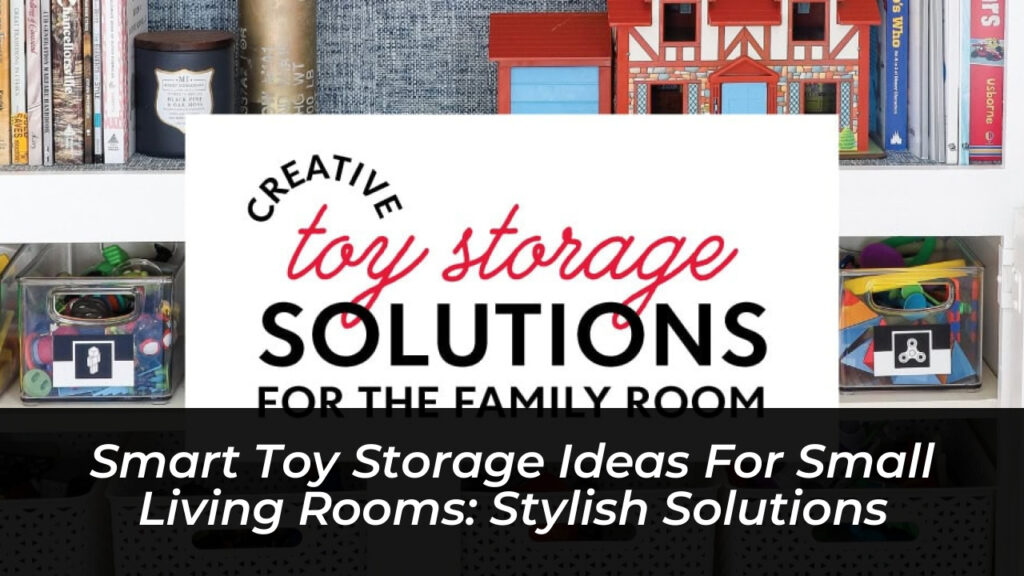
Balancing a functional play space with a polished living room is a common struggle for families in smaller homes. When square footage is tight, every piece of furniture must pull double duty, and every storage choice needs to be as handsome as it is useful. The goal is to create a room where children can play freely by day, yet the space feels like a calm, adult retreat once the evening arrives.
The Art of Hidden Storage
To keep a living room feeling sophisticated, move away from bright, primary-colored plastic bins. Instead, tuck toys into furniture that mimics standard home decor. Media consoles, sideboards, or low-profile cabinets with solid doors are your best defense against visual clutter. By hiding building blocks and action figures behind wood or glass-front doors, you keep the chaos out of sight.
When choosing furniture, look for pieces with adjustable internal shelving. This allows you to customize the height for different toys, ensuring no vertical space is wasted. If you use a media console, dedicate specific drawers to items used daily, like coloring books or small games. This keeps them within reach for the kids but completely invisible when not in use.
Multi-Functional Furniture
In a small living room, every inch counts. A sturdy, upholstered storage ottoman is perhaps the most versatile addition you can make. It serves as a footrest or extra seating for guests, while the hollow interior acts as a deep well for stuffed animals, board games, or bulky toys.
Your coffee table is also prime real estate. A table with a lower shelf or built-in drawers can hold decorative baskets. By choosing containers made from natural materials like seagrass, rattan, or woven cotton, you add warmth and texture to the room. These baskets act as a bridge between kid-friendly utility and adult-oriented design, making the presence of toys feel like a thoughtful choice rather than a mess.
Defining Play Zones
Even in a tiny room, marking a specific zone for play prevents toys from migrating to every corner of the house. Use architectural features like a corner nook, the space beneath a window, or the area behind a floating sofa to create a boundary. This helps children understand where their play area ends and the adult space begins.
If the layout allows, use a low bookshelf as a visual divider. This creates a subtle separation that helps children focus during playtime and makes cleanup feel more contained. A small area rug can also anchor the play zone, distinguishing it from the rest of the room. When playtime ends, the rug and its associated bins serve as a clear sign that the room is transitioning back to its primary function.
Vertical Storage
When floor space is limited, look to your walls. Vertical storage keeps toys off the ground and prevents the room from feeling cramped. Floating shelves are an excellent way to display a curated selection of toys, such as wooden figurines or favorite books, which double as decor.
Wall-mounted pegboards are another clever option. They are highly customizable and can hold hooks, baskets, or small shelves for art supplies. Because they are mounted on the wall, they leave your floor clear. You can even paint the pegboard to match your wall color, allowing it to blend into the background when not in use.
Managing Toy Rotation
One of the best ways to keep a small living room tidy is to limit the number of toys available at once. A rotation system involves keeping a large portion of the collection in a closet or a bin in another room, swapping them out every few weeks. This keeps children engaged with what they have and prevents the living room from being overwhelmed.
Fewer toys out means cleanup is faster and less stressful. It also encourages children to play more deeply with the items they have rather than being distracted by a mountain of options. When it is time to rotate, involve your kids; it teaches them organizational skills and makes the “new” toys feel like a special event when they return to the rotation.
Choosing the Right Containers
In a small living room, the material and shape of your bins matter. Avoid clear plastic, which often looks messy. Instead, opt for containers that offer a uniform appearance, such as fabric-lined baskets, wooden crates, or metal bins with lids. These choices create a cohesive look that complements your existing color scheme.
Consider the weight and size of the containers. If you want your children to be independent, the containers must be easy for them to handle. Baskets with sturdy handles are excellent for portability, allowing kids to carry their toys from the play zone to the storage area with ease.
Minimalist Decor
Adopting a minimalist approach to your decor helps mitigate the impact of necessary toy storage. By keeping other decorative elements simple and clean, you create a baseline of order that makes the presence of toys less jarring. Focus on a neutral color palette for large furniture and walls, then use accessories to add warmth. This ensures that even when toys are out, the room does not feel chaotic.
Remember that your living room is a shared space. It is perfectly fine to have a few items out that reflect your children’s interests, provided they are curated. A single basket of wooden blocks or a small shelf with a few favorite books adds personality without sacrificing style.
Final Tips for Success
Maintaining an organized living room is an ongoing process. Establish a daily routine for cleanup, perhaps right before dinner, to ensure the room is reset for the next day. Encourage your children to participate by making it a game-perhaps using a timer to see how quickly they can return toys to their designated spots.
Finally, be realistic. A small living room will never be completely free of toys, and that is perfectly fine. By choosing the right furniture, creating clear zones, and embracing a rotation system, you can create a space that functions as both a lively playroom and a serene sanctuary for the entire family.