
Home Repair Cost in London: 2026 Guide


Ask three Londoners what a plumber costs and you will get three different answers, and all three can be right. A tap fixed in Croydon on a Tuesday morning is a different job from a boiler breakdown in Islington on a Sunday night, and London prices reflect that. The capital runs 20 to 40 percent above the national average for most trades, and the gap grows wider for emergency work.
This guide gives the typical ranges Londoners actually see in 2026, based on published UK trade rate guides, and explains what pushes a quote up or down. Every figure here is a guide range, not a quote. Your job will have its own details, and the only exact price is the one a tradesperson gives after seeing the job.
Typical hourly and day rates in London
Most trades charge by the hour for small jobs and by the day for bigger ones. A day usually means eight hours. Materials are normally extra, and VAT is included only where the trader is VAT registered, so always ask whether a figure includes VAT.
| Trade | Typical hourly rate, London | Typical day rate, London |
|---|---|---|
| Plumber | £40 to £65 | £260 to £400 |
| Electrician | £40 to £65 | £280 to £450 |
| Painter and decorator | £25 to £45 | £230 to £350 |
| Carpenter / joiner | £25 to £40 | £260 to £380 |
| Plasterer | £25 to £40 | £260 to £380 |
| Handyman | £45 to £65 | £350 to £500 |
| Gas engineer | £60 to £100 | £360 to £600 |
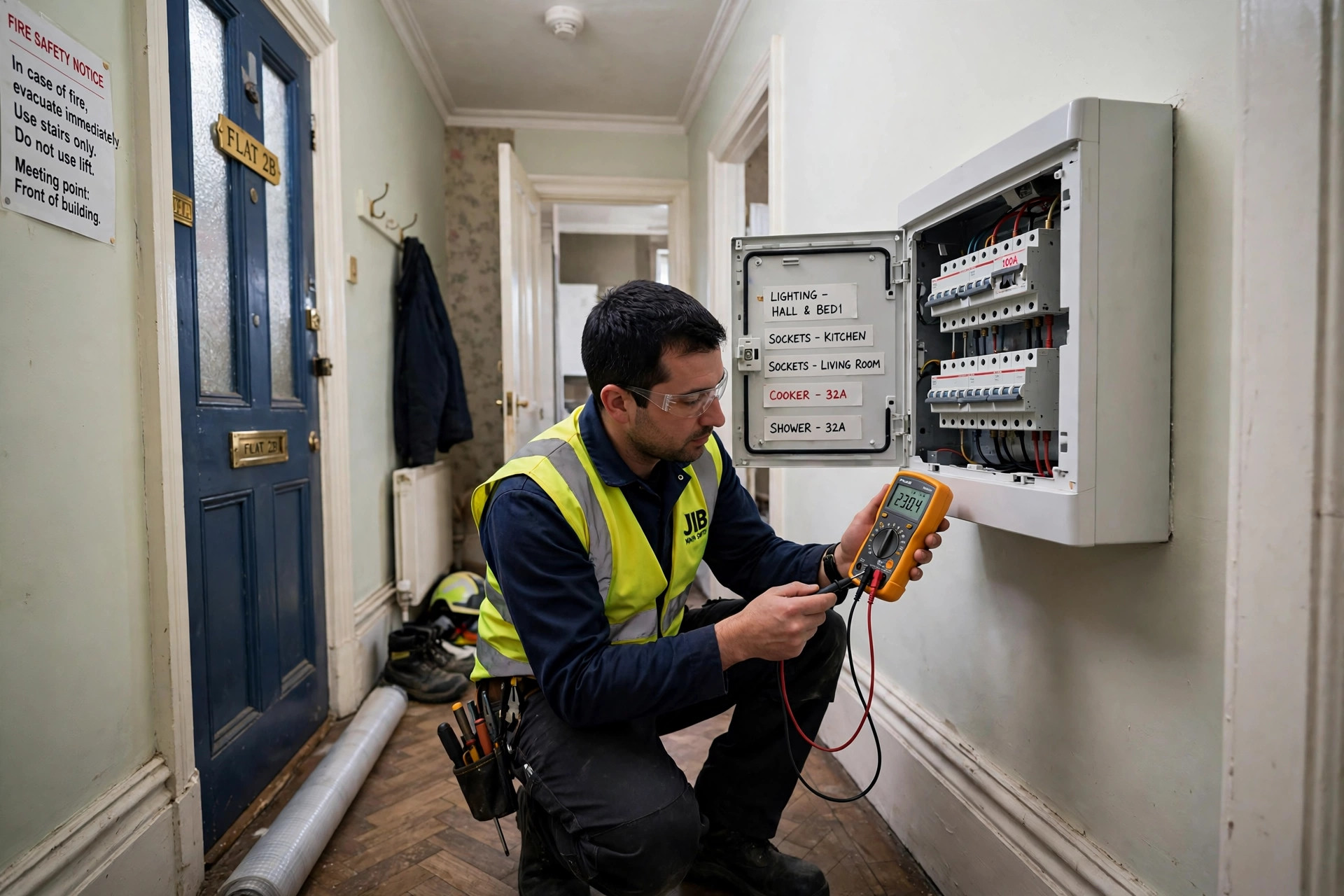
Outside London the same trades typically run 20 to 40 percent lower. A plumber who charges £50 an hour nationally will often charge £65 to £80 in London. Inner London sits at the top of the range, outer London a little below it. The ranges above come from published 2026 UK trade rate guides, which disagree with each other by a fair amount, so treat the middle of each range as the realistic figure and the ends as the best and worst cases.
What a few common jobs usually cost
Hourly rates only tell half the story. These are the typical costs Londoners see for whole jobs, labour only unless stated otherwise.

- Emergency plumber callout: typically £120 to £200 for the first hour in London, then £55 to £80 per hour after that. Evenings and weekends cost more than weekday mornings.
- Emergency electrician callout: typically £150 plus VAT for the callout alone with some London firms, before any work starts.
- Painting a one bedroom flat: from around £1,800 plus VAT for labour only with a London decorating firm. A two bedroom flat typically starts around £2,450 plus VAT, and a three bedroom around £2,950 plus VAT.
- Fixing a leaking tap or a running toilet: typically £100 to £200 in London, depending on parts and access.
- Replacing a light fitting or adding a socket: typically £120 to £250, with the fitting itself extra.
- Small plastering repair: typically £200 to £400 for a day rate job, more if the whole room needs skimming.
Materials, parking and the congestion charge are usually extra in London. A firm working inside the congestion zone may add the daily charge to the bill, so ask about it before you book rather than discovering it on the invoice.
Why London costs more than the rest of the UK
The London premium is not one thing. It is a stack of small costs that every London tradesperson carries.
Travel is the biggest. A job in Zone 1 can eat two hours of a tradesperson’s day in traffic and parking, and that time has to be paid for by someone. Parking alone can run £20 to £50 a day in central areas, and a van full of tools cannot use a car park with a height barrier. Then there is the congestion charge for work inside the zone, and the Ultra Low Emission Zone charge for older vans.
Overheads are higher too. Rent for a lock-up or yard, insurance, and the cost of living for the tradesperson all run above the national average. And demand is higher: there are more flats, more landlords, more emergency callouts, and more people competing for the same reliable tradespeople, which pushes prices up for the good ones in particular.
None of this means every high quote is fair. It means a quote that looks high compared with a national average may still be normal for London, and a quote that looks cheap for London deserves a second look at what it leaves out.
How to keep the bill down without cutting corners
There are honest ways to pay less, and they all start before anyone picks up a tool.
First, get two or three quotes for anything over a few hundred pounds, and compare them like for like: same materials, same scope, same finish. A quote that is hundreds cheaper usually leaves something out, and the missing item is normally the expensive one.
Second, book in advance where you can. Emergency and same-day work carries a premium of 50 percent or more over planned work. A tap that drips on Monday and gets fixed on Thursday costs far less than the same tap fixed at 11pm on Saturday.
Third, clear access and buy materials yourself where it makes sense. A tradesperson who spends an hour moving furniture or waiting for a delivery is an hour you pay for. And if you can do the simple prep yourself, like the steps in our guide to changing a door handle, you can keep the paid hours for the work that actually needs a professional.
Fourth, bundle small jobs. A handyman who is already in your flat to fix a door can often hang a shelf in the same visit for far less than a separate callout. A visit charge, typically £60 to £100 in London, is paid once per visit, not once per job.
Getting a fair quote on MHDI
The simplest way to find out what your job should cost in your part of London is to ask people who do it every day. On MHDI, service pages show prices in pounds upfront, so you can compare what different providers charge for the same kind of work before you contact anyone. The site promises transparent pricing with no hidden fees, and that is the standard to hold every quote to.
For a bigger job, use the post a job page and describe the work properly: what it is, where it is, when you need it, and whether materials are included. A clear job description gets clear quotes, and clear quotes are the ones you can actually compare. Read the MHDI About page as well, so you know how the directory works and what its verification promise means.
And before you hire for a winter job, it is worth reading the practical guides on the site, like draught-proofing sash windows and re-pointing patio slabs. They will not make you a tradesperson, but they will help you understand what the quote you receive actually covers.