Choosing the right support system for your garden boundary is the most critical step in building a new fence. While panels often take center stage, the posts are the backbone of the structure, determining how well your fence withstands wind, rain, and time. Most homeowners weigh the industrial strength of concrete against the natural, warm look of timber. This decision shapes your budget, your weekend workload, and how often you will need to reach for your tool kit in the future.
Concrete Slotted Posts
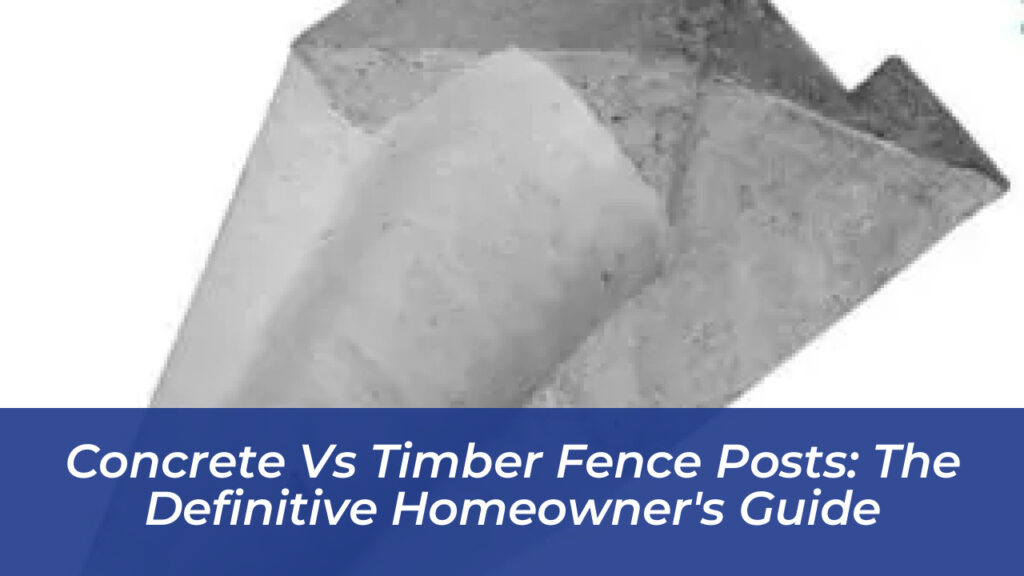
Concrete posts are built for endurance. These steel-reinforced units feature deep grooves on either side, designed to slide in fence panels and gravel boards. Because they are cast from high-density concrete, they are immune to the rot and insect damage that eventually claim most wood.
The Benefits of Concrete
- Lasting Strength: A properly set concrete post can easily last 25 years or more. They won’t warp or decay, making them a true “set it and forget it” investment.
- Zero Upkeep: Once installed, concrete requires no painting, staining, or sealing. It stays stable in the ground regardless of the weather.
- Wind Resilience: The sheer weight and rigidity of concrete provide a heavy anchor. In storm-prone areas, these posts keep panels locked tight, significantly reducing the risk of a fence blowing over.
- Simple Repairs: The slotted design makes panel replacement straightforward. If a panel breaks, you simply slide it out and drop a new one in-no nails or power tools required.
The Drawbacks of Concrete
Concrete’s greatest strength-its weight-is also its main hurdle. A standard eight-foot post can weigh over 45 kilograms, making them difficult to transport and install alone. You will likely need a second pair of hands to position them safely. Additionally, the industrial grey finish can feel stark, though many homeowners soften the look by planting climbing ivy or shrubs at the base.
The Case for Timber Posts
Timber remains a favorite for its organic, traditional look. Most posts are made from softwood, like pine, and pressure-treated to help them resist moisture. If you want your fence to blend seamlessly into a garden full of greenery, wood is the natural choice.
Why Homeowners Choose Timber
- Natural Aesthetic: Wood provides a warm, soft finish that complements wooden panels perfectly, making it ideal for cottage gardens or rustic landscapes.
- Installation Ease: Timber is light enough for one person to manage. Because you can drill, nail, or screw directly into the wood, it is much easier to customize if you are working on a slope or uneven ground.
- Lower Upfront Costs: Timber posts are generally cheaper to buy initially, which helps keep the budget down for larger projects.
- Flexible Fixing: If you want to mount hooks for hanging baskets or decorative brackets, wood accepts these fixings with a simple screw.
The Reality of Maintenance
The main weakness of timber is its vulnerability to the elements. Even with pressure treatment, wood eventually succumbs to dampness, especially at the “ground line”-the spot where the post meets the soil. To keep them standing for 10 to 15 years, you must commit to applying wood preservative every few years. Without this, the posts will soften and eventually snap at the base.
Cost and Longevity Comparison
While timber is cheaper to buy today, the total cost of ownership often favors concrete over two decades. If a timber post rots, you face the cost of new materials, the labor to dig it out, and the potential damage to your panels during the repair. Concrete eliminates these recurring costs entirely.
| Feature | Concrete Posts | Timber Posts |
|---|---|---|
| Lifespan | 25+ Years | 10-15 Years |
| Maintenance | None | Regular Staining/Treatment |
| Weight | Heavy (40kg+) | Light (10-15kg) |
| Installation | Two-person job | One-person job |
Environmental Factors
Your soil type should dictate your choice. If you have heavy, clay-based soil, moisture stays trapped around the post base for a long time, which is the fastest way to rot a timber post. In these conditions, concrete is the safer bet. However, if your garden is sloped, timber’s flexibility is a huge advantage. Concrete posts are rigid and fixed in size, which often leads to “stepping” the fence and leaving unsightly gaps; timber allows you to follow the contour of the land for a smooth, continuous line.
The Hybrid Approach
Many landscapers suggest a middle ground. You can use timber posts but place them on concrete gravel boards to lift the wood off the damp soil, which significantly slows down rot. Alternatively, if you have existing wooden posts that are starting to fail at the base, you can bolt a “concrete repair spur” to the side of the post to provide structural support without replacing the entire fence.
Final Decision Checklist
Before you buy, ask yourself these three questions:
- Is this your long-term home? If you plan to stay for years, the durability of concrete is a sound investment.
- How much time do you have for maintenance? If you prefer to spend your weekends relaxing rather than staining fences, choose concrete.
- What are your site conditions? For windy, exposed areas or gardens with damp, heavy soil, concrete provides the stability you need to avoid future failure.
There is no wrong choice, provided you know what to expect. Whether you prefer the industrial reliability of concrete or the classic look of timber, ensure your posts are buried to a depth of at least 600mm to give your fence the solid foundation it needs to stand the test of time.