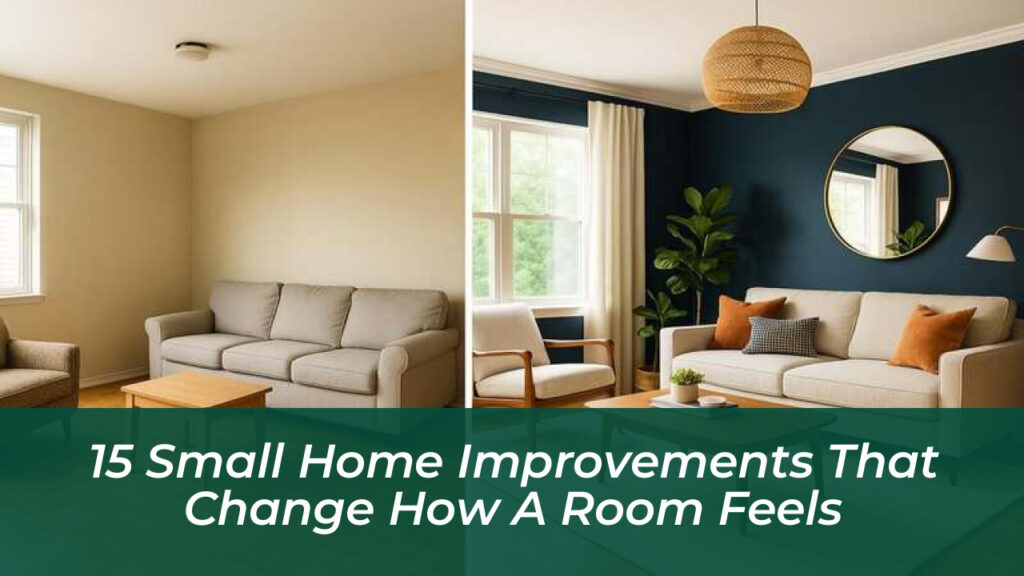
Sometimes your living space just feels slightly off, even after you have cleaned and rearranged everything. You do not need to embark on a stressful, budget-draining renovation to fix that unsettled atmosphere. Often, it is the minor, thoughtful adjustments that do the heavy lifting, completely altering how a room breathes and functions on a daily basis. By focusing on sensory details, lighting nuances, and subtle spatial tweaks, you can make your home feel remarkably fresh and deeply personal.
1. Anchor the Space with a Statement Rug
A bare floor can leave a seating area feeling untethered and uninvited. Introducing a textured, well-sized rug establishes an immediate boundary for your furniture, turning a collection of scattered pieces into a cohesive zone. Make sure your chosen rug is large enough so that the front legs of all major seating pieces rest comfortably on its surface. This single choice grounds the entire room, adding warmth underfoot and introducing a rich layer of pattern or natural fiber that softens the hard lines of your flooring.
2. Layer Your Light Sources Instead of Relying on One Fixture
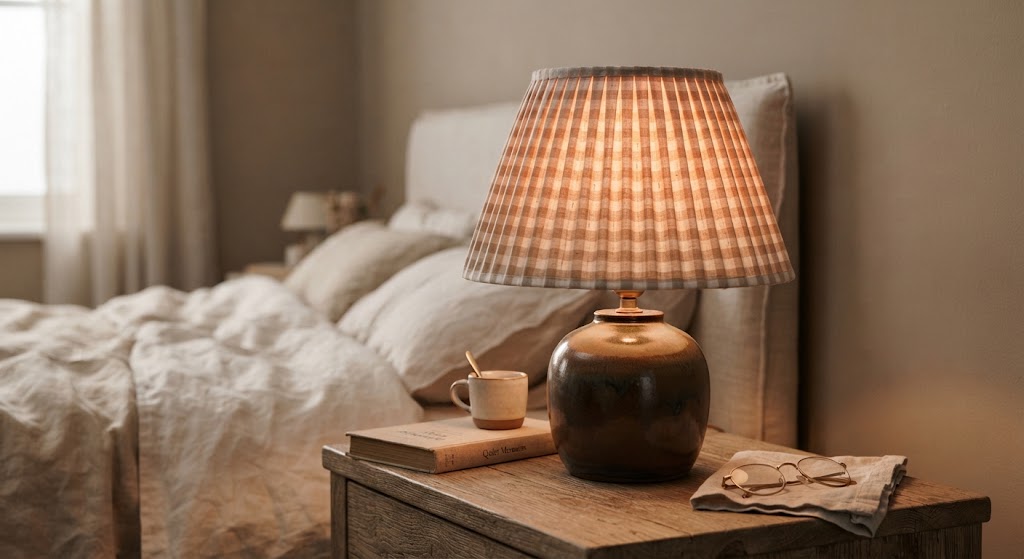
Overhead ceiling lights cast harsh, flat illumination that drains the life out of a room. Shifting to a layered lighting strategy introduces immediate depth, warmth, and dimension. Combine ambient overhead illumination with a couple of low-slung table lamps in dark corners and a focused reading light beside your favorite chair. Warm bulbs hovering around the 2700K range work wonders to make wood tones glow and textiles look richer as the sun goes down.
3. Swap Basic Cabinet and Drawer Hardware
Builder-grade knobs and pulls can make even high-end cabinetry look forgettable. Replacing these small metallic details is one of the quickest weekend projects with an outsized visual payoff. Look for solid brass, matte black, or unlacquered nickel handles with a slightly heavier profile. Swapping hardware in your kitchen, bathroom, or media console adds an instant sense of custom craftsmanship without touching the actual structure.
4. Pull Your Furniture Away from the Walls
The instinct to push every sofa and armchair firmly against the perimeter is entirely natural, but it often creates a dead zone in the center of the room. Pulling your seating arrangement inward by just a few inches creates breathing room around the edges and makes the entire layout feel more intentional. When furniture floats slightly in the space, conversation flows more naturally and the room instantly sheds its stiff, boxed-in feel.
5. Introduce Living Greenery for Organic Movement
Nothing brings a sterile room to life quite like the varied greens of a potted plant. Skip tiny plastic pots scattered everywhere and instead opt for one substantial statement plant, like a fiddle-leaf fig or a tall snake plant, to draw the eye upward and fill an awkward corner. Plants soften rigid architectural lines and introduce a living texture that changes the emotional temperature of the room the moment you walk through the door.
Rule of thumb: One large, leafy plant in a ceramic pot creates a stronger design statement than five tiny succulents fighting for tabletop space.
6. Swap Out Heavy Drapes for Lighter Window Treatments
Heavy, dark window coverings can swallow natural light and make a room feel cramped and heavy. Upgrading to breezy linen panels or clean-lined woven shades lets the sunshine flood in while adding soft tactile movement when a breeze passes through. Hang your curtain rods a few inches higher than the actual window frame to trick the eye into perceiving taller ceilings and a grander scale.
7. Refresh Pillow Covers and Textures
You do not need new cushions every season; you simply need a rotation of covers that introduce contrasting materials. Mix smooth cottons with chunky knits, velvet, and raw linen to give your sofa a tactile richness. Varying your textile choices creates immediate visual depth, making the seating area look collected and curated rather than purchased as a matching set from a big-box catalog.
8. Edit and Style Your Open Shelving
Open shelves are notorious clutter magnets that easily turn chaotic. Take everything down, wipe the boards clean, and put back only what serves a clear visual purpose. Group items in odd numbers-fours and sixes feel static, while threes and fives feel dynamic to the human eye. Leave generous pockets of empty space so the shelves can actually breathe, allowing each special ceramic piece or stacked book to stand out.
9. Hang a Generous Mirror to Bounce Natural Light
Mirrors are secret weapons for expanding spatial boundaries and brightening dim corners. Positioning a large-scale mirror directly opposite or adjacent to a window catches incoming daylight and throws it deep into the room. Whether you choose an ornate vintage gold frame or a sleek minimalist black edge, the reflective surface tricks the eye into seeing twice as much depth.
10. Upgrade to Warm, Dimmable Bulbs
The color temperature of your lightbulbs dictates how every single color in your home behaves. Cool, stark white bulbs make wood look gray and paint colors feel clinical. Switching to warm white LEDs paired with electronic dimmers lets you shift the mood from bright and functional during the morning hours to soft, amber-tinted calm as evening settles in.
11. Create a Dedicated Entry Drop Zone
Clutter at the front door sets an anxious tone before you even step fully into the house. Carve out a tiny functional station right by the entrance with a slim wall-mounted shelf, a couple of heavy-duty brass hooks for daily bags, and a shallow tray for keys and mail. Taming the daily clutter at the threshold makes coming home feel instantly more organized and peaceful.
12. Style a Forgotten Corner with Purpose
Every home has a dead corner that nobody quite knows what to do with. Transform that wasted footprint into a micro-destination by adding a comfortable accent chair, a slender floor lamp, and a small stack of inspiring books. Suddenly, an awkward transitional space becomes your favorite quiet spot for morning coffee or afternoon reading.
13. Paint an Accent Wall or Interior Door
You do not have to commit to painting an entire house to make a massive color impact. Painting a single accent wall in a moody, grounded hue like deep olive green, warm taupe, or dusty clay adds instant architectural gravity. Alternatively, painting all your interior passage doors a rich charcoal or soft black creates a surprisingly high-end custom look throughout the hallway.
14. Mix in Vintage or Handcrafted Decor
A room populated entirely by brand-new, mass-produced items often feels flat and anonymous. Introduce a sense of history by mixing in a weathered wooden stool, a flea-market ceramic pitcher, or a framed vintage landscape painting. These aged imperfections inject soul and character, making your home feel like a curated collection of memories rather than a showroom floor.
15. Practice the Art of Subtraction
When a room still feels restless after you have added new elements, the actual solution is usually subtraction. Walk through your space with an empty basket and remove one item from every surface-a small decorative bowl here, an extra candle there, a framed print that feels redundant. Clearing away visual noise lets the remaining pieces shine, giving your eyes a place to rest and restoring total calm to the room.