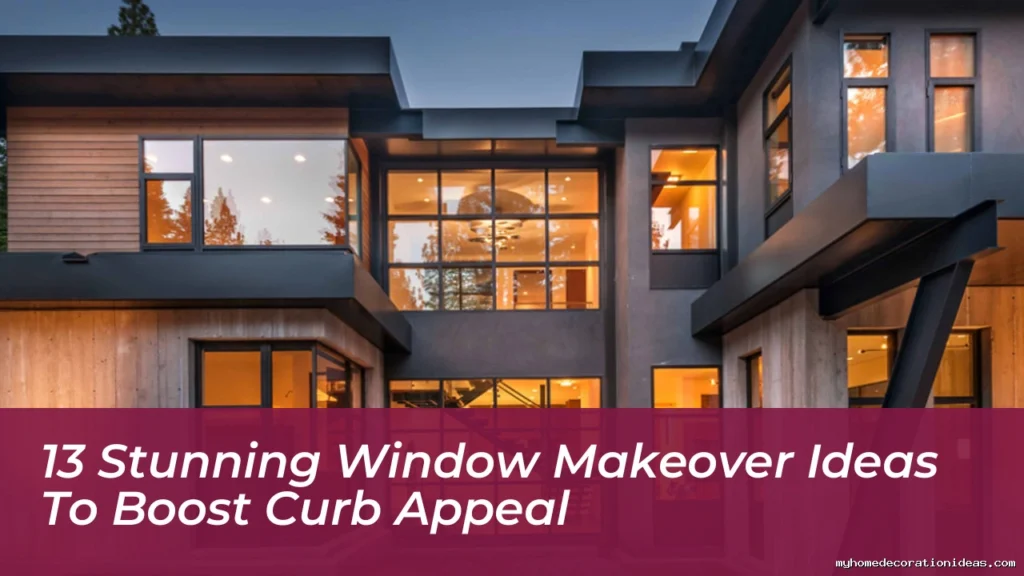
Windows function as primary architectural focal points that set the aesthetic tone of a residential facade. If you are searching for impactful window makeover ideas, upgrading these structural elements can revitalize tired exteriors without requiring a complete structural overhaul. Strategic changes elevate property valuations while optimizing interior illumination and energy performance. Homeowners often overlook how much a simple frame refresh or trim upgrade can redefine their entire home.
Understanding Exterior Window Makeover Impact
Curb appeal relies heavily on visual symmetry and contrast. When window frames degrade, warp, or fade, the entire house reads as neglected from the street. This visual decay drags down the neighborhood aesthetic and lowers perceived property value. Neglecting these details can make even the most expensive siding look cheap and unfinished.
Exterior window enhancements offer a high return on investment by correcting these visual defects. Whether working with historic brickwork, contemporary shingle styles, or suburban stucco, tailoring the surround elements establishes instant architectural cohesion. Correcting these frames bridges the gap between old-world character and modern design, making it a smart project for long-term equity.
High-Impact Design Strategies for Window Upgrades
Bold Navy Blue Trim on Bay Windows
A deep navy blue paint application on wooden window frames draws immediate attention to protruding architectural structures like bay windows. Set against muted gray or weathered cedar shingles, dark blue trim establishes an anchor point for the entire front facade. Accentuate this look with unlacquered brass or copper exterior lanterns to introduce warm metallic undertones without creating visual clutter. A simple cedar bench positioned directly beneath the bay structure unifies the composition.
To implement this look, test exterior paint samples directly on siding material to observe how sunlight shifts the undertone throughout the day. Select semi-gloss or high-gloss formulations for weather resistance and effortless cleaning. Pair dark trim exclusively with neutral siding variations such as light gray, taupe, or crisp white to maintain a clean aesthetic.
Arched Windows with Matte Black Steel Frames
Arched windows featuring industrial black metal grids inject contemporary punch into traditional white shiplap or board-and-batten exteriors. The stark contrast between slender dark mullions and pale siding highlights structural geometry. This configuration suits craftsman, modern farmhouse, and transitional elevations, particularly on gable ends or secondary porch facades.
Prioritize steel or thermally broken aluminum over wood in exposed locations to prevent weather warping. Incorporate operable casement sections within the arch design to maintain natural airflow without sacrificing sightlines. This balance of form and function keeps the home feeling airy and bright.
Integrating Botanical Elements with Climbing Vines
Vegetation softens rigid masonry and hard architectural lines, rooting a structure into its surrounding garden environment. Training climbing vines like bougainvillea, wisteria, or English ivy around window frames creates an organic, established appearance. This approach works exceptionally well on historical stone, brick, or stucco properties.
Install discreet stainless steel wire trellises to guide vine growth away from vulnerable wooden sills and mortar joints. Prune back excessive foliage seasonally to ensure natural light penetrates interior living spaces unhindered. Avoid aggressive climbing species on modern synthetic sidings where root systems can compromise waterproof membranes.
Coastal Window Box Planters
Wooden window boxes mounted directly beneath sills introduce living texture and seasonal color at eye level. For coastal environments, plant selections must withstand salt spray and intense sun exposure. Hardy succulents, drought-tolerant grasses, and trailing silver germander thrive in maritime conditions while complementing gray-shingled beach house aesthetics.
Match the box finish to the primary window trim color for a seamless, custom-built appearance. Ensure adequate drainage holes and use a lightweight soil mix to prevent structural strain on mounting brackets. Scale the box length to match the window width precisely, avoiding oversized installations on narrow panes.
Architectural Integration and Outdoor Living
Built-In Bench Seating Beneath Window Banks
Extending functional living space outdoors involves constructing a custom built-in wooden bench directly beneath a bank of windows. Anchoring this seating element into a stone or brick foundation integrates the architecture with the natural surroundings. Selecting rot-resistant timber species like Alaskan yellow cedar or genuine redwood guarantees longevity under harsh environmental conditions.
This setup creates a cozy reading nook or morning coffee spot that connects the interior comfort with the outdoor air. It turns an underutilized exterior wall into a functional destination for family and guests alike.
Maximizing Light with Floor-to-Ceiling Sliding Glass Doors
Replacing standard multi-pane window assemblies with floor-to-ceiling sliding glass panels dissolves the barrier between interior rooms and exterior patios. Slim aluminum frames maximize glass surface area, flooding open-concept floor plans with natural daylight. This alteration transforms rear or side elevations on midcentury modern and contemporary urban properties, making small footprints feel incredibly expansive.
The Classic Impact of Operable Black Shutters
Authentic louvered or panel shutters finished in matte black create dramatic framing against white or cream stucco walls. Unlike decorative surface-mounted shutters, functional hardware allows panels to close securely during severe weather events. Sizing shutters correctly ensures they measure half the total width of the window opening, maintaining architectural authenticity.
Vibrant Green Shutters for Traditional Townhouses
Painting exterior shutters a saturated olive, forest, or hunter green revives dull brick and cut-stone facades. This approach relies on tonal harmony with surrounding lawn and garden vegetation. High-gloss exterior enamels reflect ambient sunlight, creating depth and dimension on tightly spaced urban townhomes.
Specialized Materials and Historic Preservation
Wisteria-Draped Stone Mullions
Draping heavy wisteria vines over sturdy timber lintels above leaded glass windows delivers immediate old-world charm. Because mature wisteria woody stems develop substantial weight, overhead support beams require heavy-duty structural anchoring into structural masonry walls. Annual late-summer pruning keeps the heavy canopy from obscuring window hardware.
Architectural Edge: Black Frames on Red Brick
Contrasting dark window profiles against traditional red or tumbled clay brick updates traditional architecture without stripping its historical integrity. Slim sightline profiles prevent the dark frames from appearing heavy against dense masonry textures, delivering a balanced hybrid of classic durability and modern crispness.
Striped Fabric Awnings for Sheds and Outbuildings
Weather-resistant canvas awnings featuring bold maritime stripes introduce functional shade and vintage character to auxiliary structures, detached studios, or garden sheds. Beyond aesthetic charm, fabric projections reduce solar heat gain on south-facing glass surfaces, lowering interior cooling loads during peak summer months.
Reframing Wood Cabins with Oversized Glass
Rustic timber and log cabins benefit from oversized black-framed picture windows and sliding doors. Introducing expansive glass panes cuts through heavy timber visual weight, bringing panoramic forest views directly into interior great rooms while preserving energy efficiency ratings.
Glossy Ceramic Tile Window Surrounds
Wrapping exterior window jambs and sills in glazed ceramic or porcelain tiles introduces unexpected color, texture, and light reflection reminiscent of Mediterranean architecture. This technique works exceptionally well in warm climates, providing a durable, water-resistant surface that requires minimal maintenance while catching the afternoon sun.
Comprehensive Window Makeover Comparison Matrix
Choosing the right strategy depends on your home’s style, budget, and how much time you want to spend on upkeep. The table below breaks down the key differences between popular window makeover ideas.
| Architectural Style | Primary Material | Maintenance Level | Cost Impact | Best For |
|---|---|---|---|---|
| Modern Farmhouse | Matte Black Steel | Low | High | High-contrast visual appeal |
| Coastal Shingle | Cedar / Painted Wood | Moderate | Medium | Adding warmth and texture |
| Traditional Brick | High-Gloss Painted Shutters | Moderate | Low | Quick color injection |
| Mediterranean Stucco | Glazed Ceramic Tile | Low | Medium | Unique texture and sun reflection |
| Rustic Log Cabin | Oversized Aluminum Glass | Low | High | Maximizing forest views |
Step-by-Step Execution Plan for Window Upgrades
Phase 1: Assessment and Measurement Protocols
Before buying any paint or materials, inspect the existing structure. Check for wood rot by pressing a flathead screwdriver into the frame corners. Examine the caulk integrity along the exterior seams and measure the rough opening dimensions twice to ensure accuracy. If moisture has penetrated the wood, you must address the core issue before applying cosmetic updates.
Phase 2: Surface Preparation Guidelines
Longevity depends entirely on prep work. Use a heavy-duty scraper to remove loose, peeling paint. Fill deep gouges or rotted sections with two-part exterior epoxy putty, shaping it to match the original profile. Once cured, sand the entire surface with 120-grit sandpaper, progressing to 220-grit for bare patches to ensure a smooth, paint-ready texture. Clean away all dust with a tack cloth.
Phase 3: Priming, Sealing, and Finish Application
Apply a high-quality, exterior-grade bonding primer to seal the raw wood or metal. For cedar or redwood, use an oil-based primer to block tannin bleed. Seal all joints with a premium elastomeric exterior caulk to keep moisture out. Finally, apply two coats of premium exterior acrylic latex paint in your chosen finish, allowing adequate drying time between coats to guarantee long-lasting durability.
Frequently Asked Questions
Can I paint vinyl window frames?
Yes, but you must use a primer specifically formulated for vinyl and select a paint color that is not darker than the original vinyl. Dark colors absorb excess heat, which can cause the vinyl frame to warp under direct sunlight.
How do I choose between shutters and window boxes?
Shutters work best on tall, narrow windows where they add vertical balance. Window boxes are ideal for wider windows or homes that need more organic texture and color at eye level. If space permits, you can combine both for a classic cottage look.
Do black window frames make a house look smaller?
No, black frames actually do the opposite. They act like a picture frame, drawing the eye outward and making the window opening appear larger while highlighting the view beyond.
Key Takeaways for Homeowners
- Focus on Contrast: High-contrast paint colors like navy blue or matte black instantly modernize traditional facades.
- Don’t Skip Prep Work: Scraping, sanding, and priming are the most important steps for a finish that lasts for years.
- Scale Appropriately: Ensure shutters and window boxes match the physical dimensions of your windows to maintain proper visual balance.
- Blend with Nature: Incorporating climbing vines or window boxes softens harsh architectural lines and boosts curb appeal.