

Your bedroom is not merely a place to store furniture and sleep off exhaustion. It is a biological recovery chamber. Modern environmental psychology proves that physical surroundings directly dictate autonomic nervous system activity. When your visual field is chaotic, cluttered, or aggressively bright, your amygdala remains in a low-grade state of threat detection. Cortisol stays elevated. Melatonin production delays. Sleep architecture fractures. Transforming your sleeping quarters into a restorative sanctuary requires more than matching throw pillows and trendy paint colors. It demands a deliberate architectural and sensory overhaul. You must manipulate light temperatures, optimize acoustic dampening, curate tactile materials, and strip away visual noise.
Research compiled by sleep science specialists indicates that the average human spends roughly thirty-six years of their life in bed. Designing this space with absolute precision is an investment in cognitive longevity, immune function, and emotional equilibrium. This comprehensive guide details actionable, designer-backed strategies to engineer the ultimate relaxing bedroom. Every section explores functional mechanics, material science, and layout psychology to ensure your sleeping environment actively promotes deep, uninterrupted restoration.
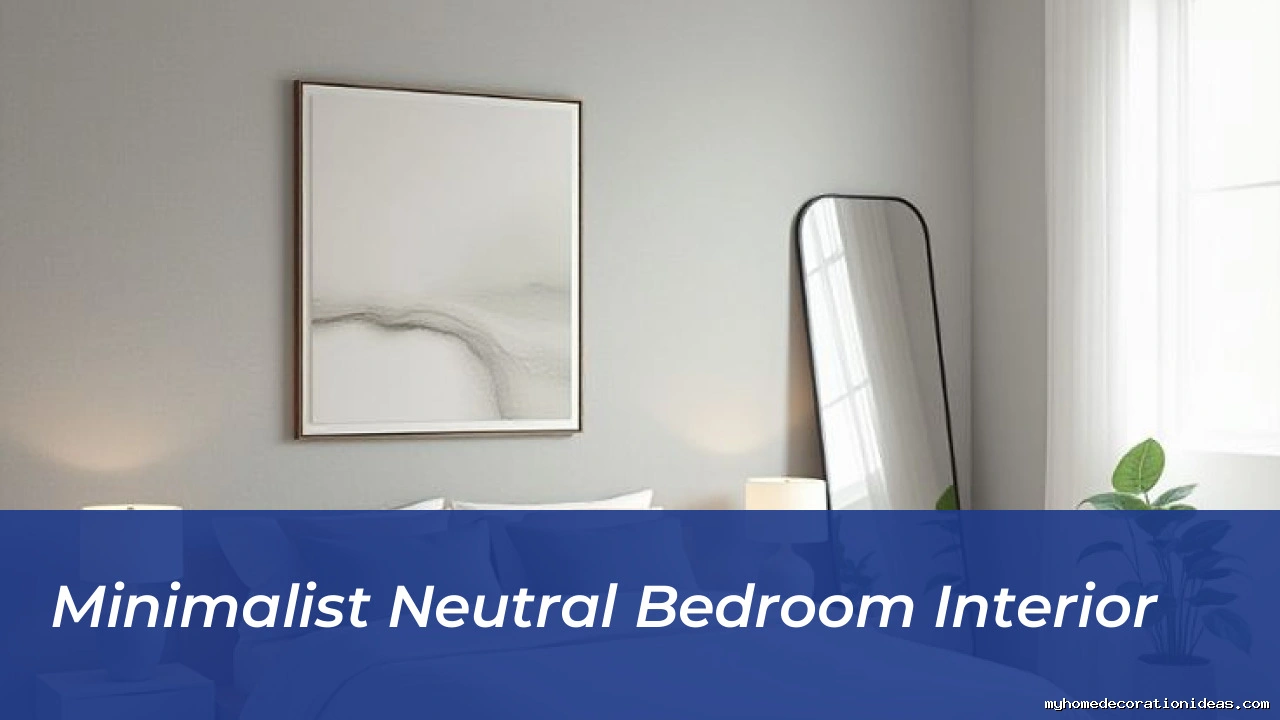
Circadian Color Psychology: Selecting Restorative Paint Palettes
Color is the first environmental variable your brain processes upon waking and entering a room. Highly saturated primary colors, neon accents, and stark high-contrast patterns stimulate the visual cortex. They signal alertness and inhibit the biological unwinding process. Muted, low-chroma color schemes invite the nervous system to decelerate. When designing a calming bedroom, look toward colors found in natural landscapes during twilight or overcast mornings. These shades possess low reflectivity indices, bouncing soft, diffused light across the room rather than harsh glares.
Top Paint Selections for Sleep Sanctuaries
- Soft Warm Neutrals: Shades like Agreeable Gray or Swiss Coffee provide a grounding, zero-distraction backdrop that pairs effortlessly with organic wood furniture.
- Muted Earthy Greens: Soft sage and olive tones mimic forest canopies, subtly lowering heart rates and fostering feelings of safety.
- Dusty Dusk Blues: Desaturated blue hues evoke twilight skies, naturally signaling to the pineal gland that evening has arrived.
- Warm Greige: A balanced hybrid of gray and beige that eliminates the sterility of stark white while avoiding the heaviness of dark brown.
Apply these tones using matte or eggshell finishes. High-gloss sheens bounce ambient light unpredictably, creating micro-distractions that undermine the serene atmosphere you want to cultivate.
Spatial Layout and Feng Shui: Positioning Your Bed for Maximum Security
Interior layout dictates psychological safety. According to ancient spatial principles validated by modern behavioral science, the position of your bed influences your subconscious sense of vulnerability while you sleep. Avoid placing your bed directly beneath a window or in line with the primary entryway. When your head rests directly under glass, your primitive brain senses a lack of structural protection. When your feet point directly out the open door, your nervous system remains hyper-vigilant.
Anchor your bed against a solid, windowless wall whenever possible. Position the frame diagonally opposite the doorway so you maintain a clear line of sight to the entrance without feeling exposed. This command position fosters deep psychological grounding, allowing your muscles to fully relax into the mattress.
Tactile Layering: The Science of Sensory Grounding
Touch is an intimate, powerful trigger for emotional regulation. Introducing varied, high-quality textures prevents a neutral color palette from feeling cold or sterile while providing tactile feedback that releases physical tension. Layering textiles requires a strategic mix of weights and weave densities. Start with a foundation of breathable, stonewashed Belgian linen sheets. Linen possesses natural thermoregulating properties, keeping you cool during summer heat and cozy during winter chills.
Layer a mid-weight quilted cotton coverlet over the sheets, followed by a chunky cable-knit wool throw across the foot of the bed. Incorporate accent pillows featuring bouclé, velvet, or woven jute to create subtle tactile variation. Mixing pillow fills, textures, and covers invites you to physically interact with your bed as a tactile sanctuary.

Acoustic Engineering: Sound-Masking and Decibel Reduction
Urban auditory pollution wreaks havoc on nocturnal recovery. Even low-level ambient noises from traffic, plumbing, or appliances trigger micro-awakenings that pull you out of deep REM sleep without your conscious realization. Mitigating hard surface sound reflection requires deliberate soundproofing measures. Hang floor-to-ceiling thermal drapery to absorb sound waves hitting glass windows.
Utilize high-pile wool rugs paired with dense felt rug pads to suppress echo reflection across hardwood floors. For homes in loud urban centers, integrate white-noise machines or air purifiers that generate steady, non-intrusive ambient soundscapes. This consistent frequency masks disruptive random spikes in household or street noise.
Lighting Architecture: Layering Warm Dimmable Light Sources
Overhead blue-spectrum lighting tricks the brain into believing the sun is still high in the sky. This halts natural melatonin production and disrupts your circadian rhythm. Transitioning to layered, low-level illumination below 2700K color temperatures is essential for evening winding down. Install wall sconces with fabric shades, bedside reading lamps with amber bulbs, and smart dimmers across all switches.
Utilizing warm-toned amber lighting protects your endocrine system during evening hours. Keep light sources positioned below eye level to mimic the natural descent of the setting sun, encouraging your biology to prepare for deep sleep.
Air Quality Optimization and Bio-Filtration
Indoor air stagnation contributes to poor nocturnal respiration, morning grogginess, and low-grade physical inflammation. Modern building materials, synthetic carpets, and conventional cleaning agents off-gas volatile organic compounds that compromise sleep quality. Introducing nocturnal oxygen-producing houseplants like Sansevieria, also known as snake plants, and Chlorophytum comosum, or spider plants, actively cleanses the air while you sleep.
Select zero-VOC and low-VOC paints for all bedroom walls and trim work. Manage bedroom humidity levels with dedicated dehumidifiers or humidifiers depending on your regional climate, keeping relative humidity between 40 and 50 percent for optimal breathing.
Natural Elements and Biophilic Design Integration
Connecting interior architecture with the outdoors reduces systemic stress through biophilic interaction. Incorporate solid wood furniture featuring visible grain patterns and natural oil finishes rather than synthetic laminates. Utilize raw stone accents, terracotta planters, and woven natural fibers to bring organic textures indoors.
Maximize natural morning sunlight exposure by keeping window treatments wide open during the day. This daylight floods the room, resetting your circadian clock and ensuring your body recognizes the clear distinction between day and night.
Minimalist Decluttering: Eliminating Visual Noise
Physical surface clutter creates cognitive exhaustion. When your eyes scan a bedroom filled with scattered papers, clothes, and miscellaneous items, your brain processes constant micro-tasks. Implement closed storage systems for nightstands, dressers, and wardrobes to hide daily items out of sight.
Remove work-related electronics, exercise equipment, and office paperwork permanently. Your bedroom must hold only items dedicated to rest, intimacy, and relaxation. Curate minimalist art selections featuring calming abstract or organic botanical subjects to soothe the eye.
High-Grade Mattress and Bedding Ergonomics
Spinal alignment directly dictates physical restoration. Waking up with back or neck stiffness points directly to inadequate mattress support or poor pillow ergonomics. Evaluate hybrid, memory foam, and latex mattresses based on your dominant sleeping position to ensure ideal pressure point relief.
Select ergonomic pillows that support natural cervical spine curvature. Maintain mattress hygiene and thermal performance through regular rotation, protective encasements, and seasonal laundering of mattress toppers.
Window Treatments and Light Blocking Solutions
Total darkness is a biological prerequisite for uninterrupted sleep cycles. Even trace amounts of street light or glowing electronic indicators penetrate closed eyelids, reducing melatonin synthesis. Install multi-layered drapery featuring total blackout linings to eliminate light pollution completely.
Utilize cellular shades or adjustable wooden blinds for daytime privacy control without sacrificing soft natural light. For an elevated experience, integrate automated curtain tracks programmed to open gently at dawn, supporting a gradual morning awakening routine.
Aromatherapy and Olfactory Sanctuary Cues
The olfactory bulb links directly to the limbic system, the emotional and memory processing center of the brain. Utilizing calming essential oils like lavender, chamomile, and cedarwood conditions your nervous system for rest. Deploy these scents safely through ultrasonic diffusers, fine mist linen sprays, or natural beeswax candles extinguished before sleep.
Creating consistent bedtime scent cues trains your brain to associate specific aromas with the immediate onset of sleep, accelerating the transition from wakefulness to deep relaxation.
Personalizing Your Space Without Compromising Calm
Serenity does not require clinical sterility. Balance minimalist design with meaningful personal expression by selecting a small number of emotionally resonant art pieces or photographs. Use neutral framing and matte glass to prevent visual glare and distraction.
Curate sentimental items that evoke positive, peaceful memories rather than high-energy stimulation, ensuring your personal touches enhance the calming atmosphere rather than cluttering it.
Conclusion: Maintaining Your Restful Sanctuary Long-Term
Designing a relaxing bedroom is a foundational step toward sustainable physical and mental health. By combining low-chroma color psychology, tactile grounding, optimized acoustics, and intentional spatial layout, you create a biological recovery chamber that supports your entire lifestyle. Commit to routine maintenance practices, such as weekly linen laundering and daily surface decluttering, to preserve the serenity of your space. Prioritizing rest through deliberate home design yields compounding benefits for your energy, focus, and overall well-being.
| Design Element | Primary Function | Recommended Material / Approach |
|---|---|---|
| Color Palette | Lowers visual cortisol triggers | Soft warm neutrals, muted sage, dusty blues |
| Bed Placement | Fosters psychological safety | Command position against a solid wall |
| Acoustics | Eliminates micro-awakenings | Thermal curtains, high-pile wool rugs, white noise |
| Lighting | Protects melatonin production | Warm sources below 2700K with smart dimmers |
Frequently Asked Questions
What color is best for a relaxing bedroom?
Muted, low-chroma colors such as soft warm neutrals, sage greens, and dusty dusk blues work best because they reflect soft, diffused light and calm the visual cortex.
How can I make my bedroom soundproof for better sleep?
Incorporate floor-to-ceiling thermal drapery, high-pile wool rugs with dense pads, and use white-noise machines to mask ambient urban sounds.
Why is bed placement important in bedroom design?
Placing your bed in the command position away from direct doors and windows enhances your subconscious feeling of security, lowering physical tension during sleep.
Which houseplants improve bedroom air quality?
Snake plants and spider plants are excellent choices because they release oxygen at night and filter indoor air pollutants effectively.