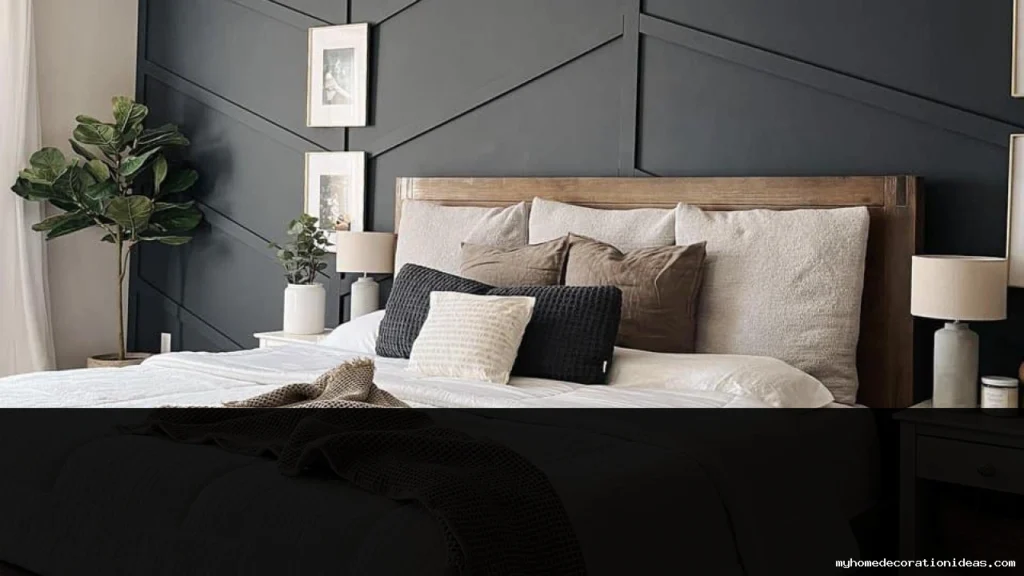
Transforming your personal sanctuary does not require an extensive architectural overhaul. Modern bedroom wall painting serves as the most cost-effective tool to alter spatial perception, light distribution, and psychological mood in a bedroom. This section establishes the foundational principles of bedroom design, focusing on simplicity, balance, and visual comfort. By changing the hue, finish, or geometric layout of your walls, you can dramatically shift the entire ambiance of the room. Whether you want to make a compact space feel expansive or create a cozy cocoon for better rest, simple wall painting designs offer an accessible path to achieving a designer-grade aesthetic without heavy expenses.
Understanding Paint Sheen and Finishes for Bedrooms
A technical breakdown of paint sheens and how light reflection impacts the final look of bedroom walls. Selecting the correct finish is just as important as choosing the right color. The chemical formulation of the paint determines its durability, how it reacts to natural and artificial lighting, and how well it hides imperfections on the drywall.
Matte and Flat Finishes
- Light absorption properties and how they conceal surface imperfections.
- The high pigment load and lower binder concentration of flat paint.
- Best applications: Low-traffic master bedrooms, ceilings, and deep accent walls.
Eggshell and Satin Finishes
- Eggshell as the industry standard for balanced light reflection and washability.
- Satin finishes for high-durability, moisture resistance, and easy cleaning.
- Best applications: Children’s bedrooms, guest rooms, and high-contact walls behind headboards.
Semi-Gloss and High-Gloss Finishes
- Highly reflective surfaces that highlight wall imperfections.
- The role of gloss in architectural trim, doors, and high-contrast geometric accents.
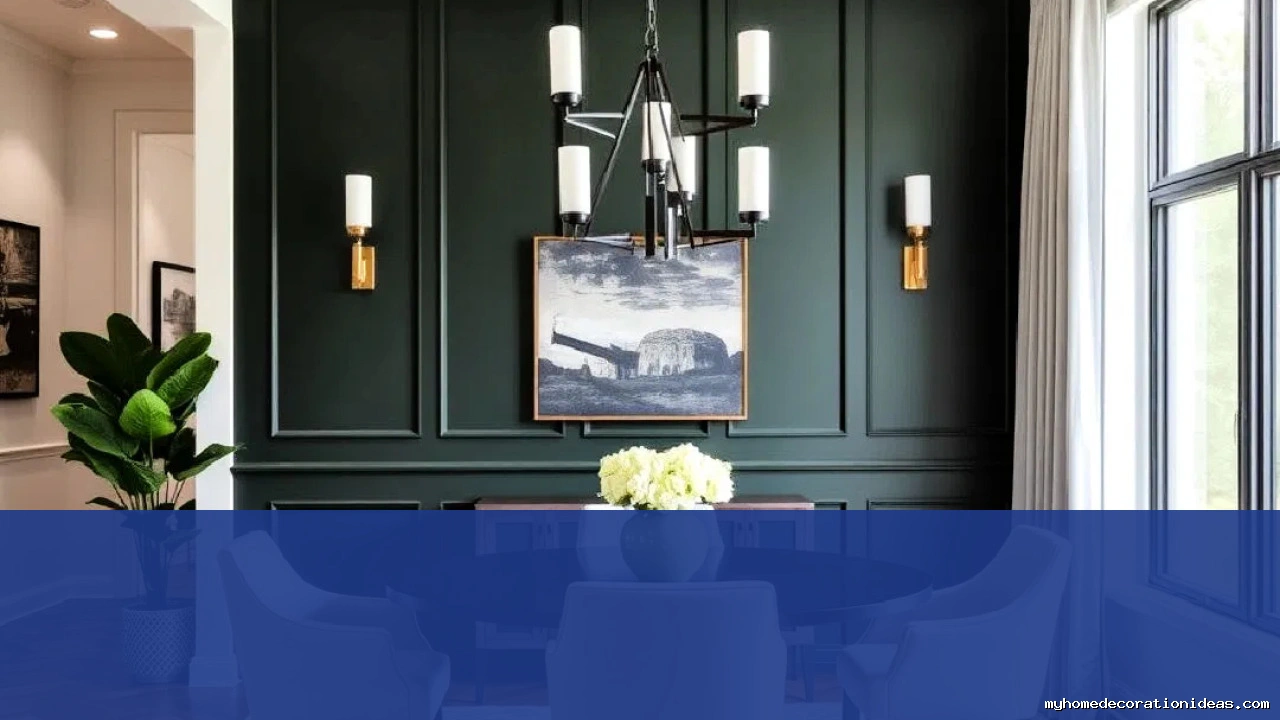
Paint Sheen Comparison Matrix
| Sheen Level | Reflectivity % | Durability Rating | Imperfection Hiding | Best Bedroom Application |
|---|---|---|---|---|
| Flat / Matte | 0% – 5% | Low | Excellent | Ceilings, Master Accent Walls |
| Eggshell | 10% – 25% | Medium | Good | Standard Bedroom Walls |
| Satin | 25% – 35% | High | Fair | Kids’ Bedrooms, High-Contact Walls |
| Semi-Gloss | 35% – 70% | Very High | Poor | Trim, Baseboards, Faux Moldings |
| High-Gloss | 70%+ | Exceptional | Very Poor | Bold Architectural Accents, Doors |
The Science of Color Psychology and Sleep Quality
An analysis of how color choices directly impact human physiology, circadian rhythms, and sleep-regulating hormones. Your brain processes visual stimuli continuously, even when your eyes are closed. Selecting the right palette supports deep rest and reduces everyday anxiety.
Blue and Green Tones for Circadian Rhythm Support
- How short wavelengths of light calm the central nervous system.
- The physiological effects of blue: lowering blood pressure and heart rate.
- Using desaturated, gray-toned greens and blues to prevent overstimulation.
Neutral Earth Tones for Cortisol Reduction
- The grounding effect of taupe, soft beige, terracotta, and warm gray.
- How warm neutrals absorb excess light to create a cocoon-like environment.
- The drawbacks of stark white walls under artificial lighting.
Light Reflectance Value (LRV) and Bedroom Lighting
- Understanding the 0 to 100 LRV scale.
- Balancing cool, bluish light in north-facing bedrooms with mid-to-high LRV warm colors.
- Managing intense, golden light in south-facing bedrooms with lower LRV cool tones.
Essential Tools and Preparation for DIY Painting
A comprehensive checklist of tools and surface preparation steps required to achieve a professional-grade finish. Skipping preparation often leads to peeling tape, uneven coats, and visible roller marks.
- Painter’s Tape: Selecting premium, low-tack tape for sharp lines.
- Rollers and Covers: Choosing 3/8-inch nap microfiber for smooth drywall or 1/2-inch nap for textured walls.
- Brushes: The utility of a 2.5-inch angled sash brush for clean cutting-in.
- Surface Preparation: Washing walls with a mild cleaning solution, filling nail holes, sanding, and priming.
- Drop Cloths: Why canvas drop cloths outperform plastic alternatives.
Simple Wall Painting Designs to Elevate Your Bedroom
A curated selection of accessible, high-impact paint designs that homeowners can execute with minimal experience. These patterns provide artistic flair without requiring professional artistic skills.
The Subtle Two-Tone Horizontal Split
How dividing a wall horizontally adds structure and architectural interest to a bedroom.
- Determining the ideal height for the split (typically one-third or two-thirds of the wall height).
- Color pairing strategies: Darker shades on the bottom to ground the room, lighter shades on top to maintain height.
- Techniques for achieving a perfectly level, crisp dividing line.
Geometric Color Blocking
Using simple geometric shapes to create modern focal points without overwhelming the space.
- Popular shapes: Large circles, overlapping rectangles, and angled corners.
- How to use color blocking to frame furniture, such as a desk, vanity, or reading chair.
- Mapping out shapes using a pencil, level, and painter’s tape.
The Painted Headboard Illusion
An affordable, space-saving alternative to traditional wooden or upholstered headboards.
- Designing arched, rectangular, or semi-circle painted headboards behind the bed.
- Selecting contrasting colors that complement bedding and accent pillows.
- Step-by-step method for drawing perfect arches using a string, pencil, and anchor point.
Modern Vertical Stripes
A classic design technique used to manipulate the perceived height of a bedroom ceiling.
- Determining stripe width based on the scale of the bedroom.
- Using alternating sheens of the same color (matte and semi-gloss) for a sophisticated, subtle stripe effect.
- How to tape and seal stripe edges to prevent paint bleed.
Soft Ombre Gradient
Creating a soothing, dreamlike atmosphere with a seamless transition from light to dark paint.
- Selecting a monochromatic color palette with three to four graduating shades.
- Blending techniques using a damp sponge, dry brush, or spray system while the paint is wet.
- Visual placement: Keeping the lightest shade at the top to draw the eye upward.
Minimalist Stencil Accents
Achieving the look of wallpaper with the flexibility and affordability of paint.
- Choosing simple, modern stencils like delicate botanicals, abstract lines, or repeating geometric patterns.
- Techniques for securing the stencil and applying paint with a dense foam roller or stenciling brush.
- How to avoid paint bleed by using a dry-brush technique and minimal paint.
Step-by-Step Execution Guide for a Flawless Finish
A chronological guide detailing the exact process of applying these designs from start to finish. Following a structured order prevents common mistakes and saves valuable time.
- Clear and Protect: Move furniture to the center of the room and secure canvas drop cloths over the flooring.
- Clean and Repair: Wash the walls, patch holes, sand smooth, and apply primer to patched areas.
- Measure and Mark: Use a laser level, measuring tape, and pencil to map out your design lines.
- Apply Painter’s Tape: Press the tape down firmly with a putty knife or clean cloth to seal the edges.
- Seal the Tape (The Secret Step): Paint over the tape edge with the base wall color to seal any microscopic gaps.
- Apply the Accent Paint: Cut in along the edges first, then roll the main areas using a steady pattern.
- Remove the Tape: Pull the painter’s tape away at a 45-degree angle while the paint is still slightly damp to prevent peeling.
Frequently Asked Questions
What is the best paint finish for a main bedroom wall?
Eggshell finish is widely considered the best choice for standard bedroom walls. It offers a subtle, low-luster sheen that balances light reflection with easy washability.
How can I make a small bedroom look larger with paint?
Use cool, light-reflecting colors with a high LRV, such as soft off-whites, pale grays, or light sky blues. Painting vertical stripes or extending the wall color onto the ceiling can also create an illusion of height.
What is tape sealing and why is it important?
Tape sealing involves painting over the edge of your painter’s tape with the base coat color before applying your accent color. This fills any microscopic gaps in the tape adhesive, ensuring razor-sharp lines without bleeding.
How long should I wait between coats of bedroom paint?
Most standard latex and acrylic wall paints require about two to four hours of drying time between coats. Always check the manufacturer guidelines on the paint can for exact humidity and temperature recommendations.
Key Takeaways
- Paint sheens dictate both durability and light reflection; choose matte for ceilings and accent walls, and eggshell or satin for high-contact areas.
- Color psychology plays a vital role in sleep quality; cool blue and green tones or grounded earth neutrals support better circadian rhythms and lower stress.
- Proper surface preparation, including washing, patching, sanding, and sealing painter’s tape, is essential for professional results.
- Simple design techniques like horizontal splits, color blocking, and painted headboards elevate a bedroom without requiring advanced painting skills.
Conclusion
Updating your sleeping quarters with simple wall painting designs offers an incredible return on investment. By combining the right color psychology, choosing appropriate finishes, and executing precise application steps, you can create a personalized retreat that supports both relaxation and visual appeal. Take your time during the preparation phase, select tools suited to your wall texture, and enjoy the transformative power of a fresh coat of paint.