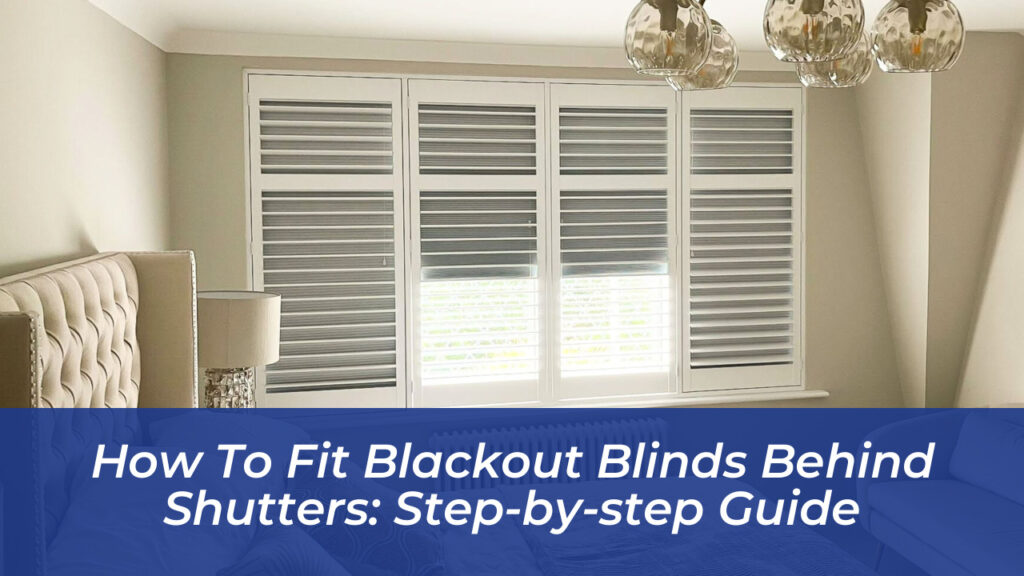
Choosing the right illumination for a sleeping space goes far beyond basic visibility. The fixtures you select dictate the room’s mood, utility, and visual proportions. When planning an upgrade, homeowners frequently weigh the striking silhouette of a suspended fixture against the sleek, space-saving nature of a side-mounted light.
Understanding the fundamental differences between these two hardware choices prevents common design mistakes, such as obstructed walkways or harsh shadow placement. By evaluating your room dimensions, ceiling height, and nightly habits, you can determine whether a hanging centerpiece or a streamlined wall fixture belongs beside your bed.
What Is a Pendant Light?
Pendant lights hang downward from the ceiling, suspended by a cord, chain, or rigid rod. These fixtures serve dual purposes, acting as both sculptural elements and sources of illumination. In spacious sleeping quarters, they draw the eye upward and emphasize vertical volume.
Hanging fixtures excel at casting a broad ambient glow across the entire floor plan. However, they require careful planning regarding vertical clearance. Installing a hanging fixture in a compact or low-ceilinged room often creates visual clutter and safety hazards.
What Is a Wall Sconce?
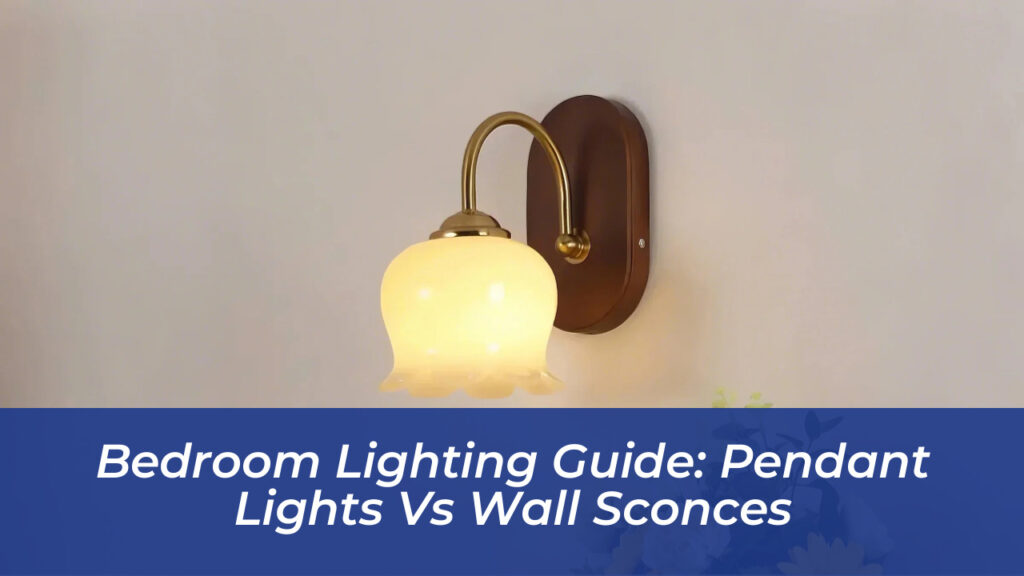
Wall sconces fasten directly onto vertical surfaces, positioning light fixtures precisely where you need them. They eliminate the need for bulky nightstand lamps, freeing up valuable surface area for books, phones, and water glasses. Sconces provide focused task lighting or gentle accent glows depending on the shade direction.
These fixtures are particularly friendly for renters or anyone wishing to avoid major ceiling modifications. Many models offer plug-in convenience or adjustable swing arms, making them exceptionally versatile for midnight reading and targeted illumination.
Head-to-Head Comparison: Pendants vs. Sconces
Comparing these lighting options side by side highlights how their structural traits influence daily functionality, installation complexity, and overall aesthetic impact.
- Ceiling Height Requirements: Pendants demand substantial vertical room, performing best with ceilings of nine feet or higher. Sconces adapt to any ceiling height since they mount entirely on vertical walls.
- Floor Space and Surfaces: Sconces save nightstand space by clearing surfaces of bulky table lamps. Pendants occupy overhead space, leaving bedside tables entirely free for decor.
- Lighting Focus: Sconces deliver precise directional light ideal for reading or tasks. Pendants cast broader ambient light across a wider area.
- Installation Complexity: Pendants usually require ceiling junction boxes and professional wiring. Sconces offer easier installation, with many units supporting straightforward plug-in configurations.
Ceiling Height and Sizing Rules
Proportion dictates successful interior design. Installing an oversized fixture in a tiny room overwhelms the space, while a miniature piece in a grand suite disappears entirely. Use structural measurements to guide your hardware selections.
For overhead hanging fixtures, calculate the correct diameter by adding your bedroom’s length and width in feet, then converting that sum into inches. For example, a 12 by 14-foot room calls for a fixture roughly 26 inches wide. Ensure the bottom of any hanging fixture maintains at least seven feet of clearance above the finished floor to prevent accidental head bumps.
Wall-mounted fixtures require precise vertical placement. Center your sconces between 60 and 66 inches from the floor. This measurement ensures the light falls at optimal eye and shoulder height when you sit up against your headboard.
Task vs. Ambient Illumination
Lighting performs distinct jobs depending on the time of day. Morning routines require bright, clear illumination for selecting clothes and navigating the closet. Evening wind-downs call for soft, warm radiance that encourages relaxation and melatonin production.
Pendants with frosted or fabric shades diffuse light evenly, serving as excellent ambient sources for the center of the room. Sconces equipped with directional metal shades or adjustable swing arms concentrate light downward, protecting a sleeping partner from intrusive glare while you read.
Styling Your Bedroom Layout
Integrating these fixtures into your overall aesthetic requires a balanced approach to color, texture, and scale. Fabric and linen drum shades soften harsh electrical glare and introduce cozy warmth. Brass and bronze metallic finishes add a refined, understated touch that complements wood and upholstered headboards.
Avoid polished chrome or ultra-cool metals unless you are intentionally curating a sterile, hyper-modern aesthetic. Bedrooms thrive on tactile warmth, which is best supported by materials that diffuse light gently and create welcoming shadows.
Combining Both Fixtures in a Layered Scheme
The most successful bedroom lighting designs avoid relying on a single source. Instead, they embrace layered lighting by combining overhead ambient fixtures with lower-level task lighting.

Position a dimmable flush mount or compact pendant in the center of the room for general navigation and dressing tasks. Simultaneously, install matching swing-arm wall sconces flanking the headboard to handle nighttime reading. Pairing these distinct light sources on independent dimmer switches gives you complete control over the room’s atmosphere at any hour.
Final Decision Checklist
Review these practical questions before purchasing your next lighting upgrade:
- What is the exact floor-to-ceiling height of the space?
- Do existing electrical boxes support ceiling suspension or wall mounting?
- Are the chosen bulbs rated for warm color temperatures (2700K to 3000K)?
- Is a dimmer switch installed to control light intensity?
Selecting the right fixture ultimately depends on your spatial constraints and lifestyle preferences. Choose wall sconces to maximize tight spaces and secure focused reading light, or invest in statement pendant lights to elevate rooms featuring soaring vertical architecture.