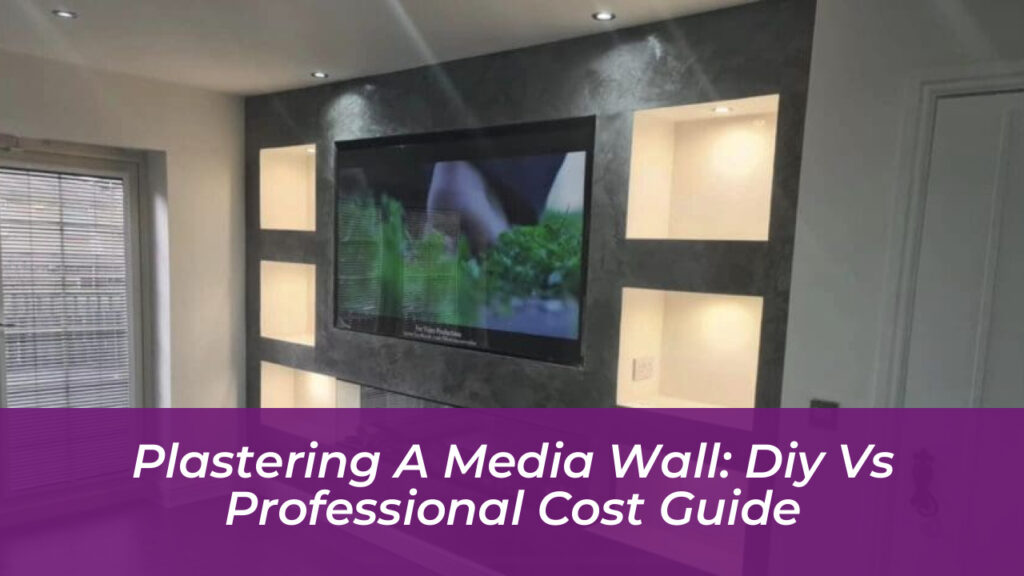
Transforming a living room with a custom media wall creates an undeniable visual anchor, combining entertainment electronics and electric fireplaces into a single architectural statement. Yet, once the timber framing and plasterboard are up, the project hits its most critical phase: plastering. Homeowners planning this upgrade face a pivotal decision between taking on the skimming work themselves or hiring a professional plasterer. Understanding the actual cost breakdown, skill requirements, and hidden pitfalls of both approaches will help determine whether a DIY effort or professional labor makes the most financial and aesthetic sense.
The True Cost of DIY Media Wall Plastering
At first glance, a do-it-yourself media wall looks remarkably budget-friendly. Purchasing a few bags of multi-finish plaster, corner beads, joint tape, and a skimming trowel seems inexpensive compared to hiring a tradesperson. For an average-sized media wall, raw plastering materials rarely exceed fifty to one hundred dollars.
However, calculating the true expense of a DIY attempt requires looking past the cost of raw gypsum. Consider the specialized tools needed if you do not already own them:
- Hawks, trowels, and specialized finishing spatulas
- Internal and external PVC or metal corner beads to protect sharp lines
- Joint cement, paper or mesh tape, and heavy-duty sanding screens
- Staging platforms or step ladders to reach top-tier sections safely
Beyond equipment expenses, time is a non-refundable currency. Skimming a flat, standard bedroom wall is challenging enough for an amateur; plastering a media wall with multiple recessed TV niches, soundbar slots, and fireplace surrounds is an entirely different level of difficulty. Achieving a glass-smooth surface around tight internal 90-degree angles demands years of muscle memory. If mistakes happen, correcting warped corners or gouged surfaces requires sanding, re-skimming, or calling in an emergency professional to fix the mess, turning an initial savings project into an expensive repair job.
Professional Plastering Costs and What You Pay For
Hiring a qualified plasterer to finish a custom media wall typically ranges from $300 to $900, depending heavily on your geographical location and the sheer architectural complexity of the build. Straightforward flat-face partition walls sit at the lower end of that spectrum, while intricate designs featuring multi-tiered shelving alcoves, curved edges, and custom LED lighting troughs push labor costs higher.
Professional tradespeople command higher rates because they bring speed, precision, and guaranteed standards to the job. A skilled plasterer will complete in a single morning what might take an inexperienced DIYer an entire agonizing weekend to achieve. They know precisely how to bed heavy-duty mesh tape across dissimilar substrates-such as where timber stud frames meet masonry walls-to prevent hairline cracking caused by thermal shifts or house settling.
Investing in professional labor also shields you from the physical toll and tedious clean-up associated with plastering. Skimming generates fine dust and heavy wet waste that requires expert management to protect existing flooring, furniture, and electronics.
Cost Comparison: DIY Versus Professional Breakdown
| Expense Category | DIY Media Wall Plastering | Professional Plastering |
|---|---|---|
| Materials (Plaster, beads, tape) | $40 – $90 | Included in quote |
| Specialized Tools & Equipment | $60 – $150 (if starting from scratch) | Professional-grade tools included |
| Labor Cost | $0 (Your own time) | $300 – $900 |
| Risk of Material Waste & Rework | Moderate to High | Near Zero |
| Estimated Total Out-of-Pocket | $100 – $240 | $300 – $900+ |
Hidden Financial Risks of Cutting Corners
The finish layer of plaster is the absolute foundation for your final paint and ambient lighting. Media walls often utilize low-angle LED strip backlighting to highlight texture and depth. Unfortunately, grazing light is remarkably unforgiving. Even minor trowel marks, ridges, or uneven patches that look acceptable in normal daylight will cast harsh, exaggerated shadows under LED illumination.
If a DIY plastering job fails the lighting test, fixing it later means buying sanding equipment, applying skim coats, repainting, and wasting valuable free time. In worst-case scenarios, poor plastering compromises the clean, modern aesthetic expected from a high-end media installation, making an expensive TV and fireplace setup look amateurish.
Making the Final Decision
Choosing the right path comes down to an honest assessment of your practical skills and your tolerance for visual imperfections. If your media wall features a simple, flat geometric profile, you possess prior skimming experience, and you own the necessary tooling, a DIY approach keeps initial project expenditures to a strict minimum.
However, if your design incorporates complex fireplace surrounds, multi-level TV and soundbar recesses, or if you simply expect a flawless, gallery-quality finish under modern lighting, hiring a professional plasterer is a worthwhile investment. Protecting the overall look of your living space ensures that your custom media wall adds genuine, long-term value to your home.