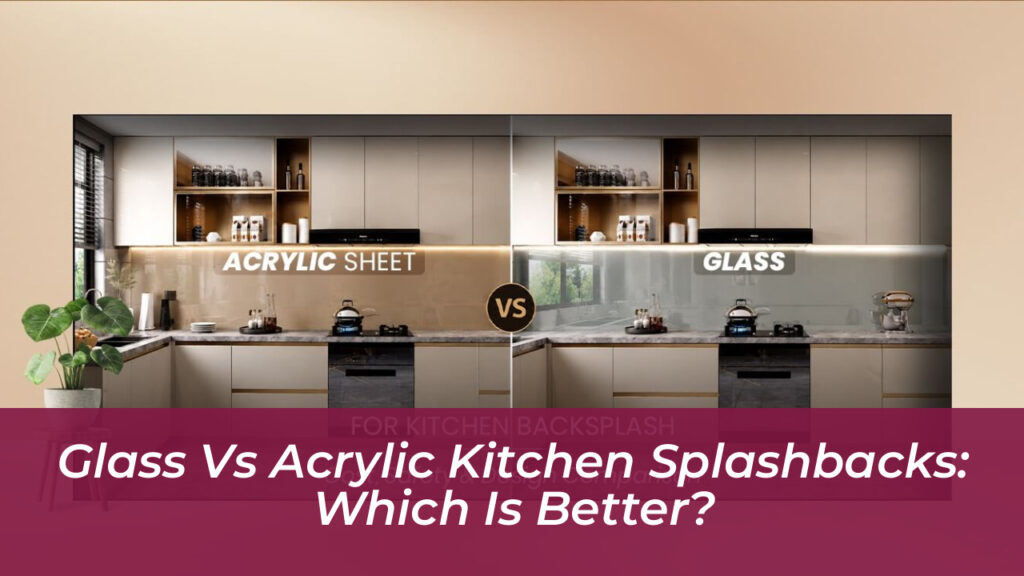
Selecting the right splashback for your cooking space requires a careful balance between visual appeal, practical durability, and your renovation budget. Once viewed merely as a functional shield against grease and water droplets, modern splashbacks have evolved into striking focal points that define the entire character of a room. When planning an upgrade, homeowners almost invariably find themselves weighing glass against acrylic. Each material offers distinct advantages, and understanding how they stack up against each other is the key to making a choice that you will be happy with for years.
What Are Glass Splashbacks?
Traditional glass splashbacks are manufactured using toughened safety glass, which undergoes an intensive heating and rapid cooling process to maximize strength. This treatment makes the material exceptionally tough, highly resistant to impact, and fully capable of handling intense thermal conditions. Available in back-painted solid colors, metallic finishes, or high-definition prints, glass offers a sleek, reflective, and inherently luxurious aesthetic. Its high-gloss surface naturally bounces natural and artificial light around the room, making smaller spaces feel significantly larger and brighter.
What Are Acrylic Splashbacks?
Acrylic splashbacks consist of engineered thermoplastic panels, often marketed under brand names like Perspex or Plexiglas. These lightweight panels are designed to mirror the glossy finish of glass while offering unique structural benefits. Acrylic has quickly gained traction in modern interior design due to its incredible versatility. It can be easily cut, drilled, and modified directly on-site with standard woodworking tools, making it a favorite for DIY enthusiasts and budget-conscious renovators alike. Acrylic panels also accommodate vivid custom prints, allowing homeowners to introduce complex geometric patterns, photographs, or rich, solid hues into their kitchen schemes.
Head-to-Head Comparison
To determine which material suits your lifestyle, it helps to examine how glass and acrylic perform across the metrics that matter most during daily use and installation.
- Cost-Effectiveness: Acrylic consistently undercuts glass in raw material pricing. Additionally, because acrylic is lightweight and easy to handle, labor and installation costs are substantially lower.
- Heat Resistance: Toughened glass excels behind high-output gas hobs and commercial-grade cooktops, tolerating direct thermal exposure with ease. Standard acrylic has a lower heat tolerance and can warp or melt if exposed to naked flames or extreme heat sources without a protective barrier.
- Impact Resistance and Safety: Acrylic is virtually shatterproof, making it exceptionally resilient against accidental heavy impacts. While toughened glass is strong, it can fracture or shatter under extreme, targeted stress.
- Upkeep and Cleaning: Both materials feature non-porous surfaces that prevent grease and moisture absorption. However, glass resists scratching much better than acrylic, which requires non-abrasive cloths and specialized cleaners to avoid surface hazing.
Installation Differences: Professional Fit vs. DIY
The physical weight and delicate nature of glass mean that professional templating and installation are almost always required. Technicians must precisely measure cutouts for electrical outlets and plumbing before the glass is toughened, as it cannot be modified afterward. Any mistake during measurement results in costly remakes.
Conversely, acrylic is exceptionally forgiving. It weighs a fraction of glass, can be carried by a single person, and can be trimmed down using standard saws right in your kitchen. This flexibility drastically shortens project timelines and eliminates the need for specialized installation crews, providing a clear advantage for weekend renovators.
Making the Final Decision for Your Kitchen
Choosing between glass and acrylic ultimately depends on your cooking habits, layout, and financial plan. If your cooktop sits directly against the wall and you frequently use high-heat burners, the durability and heat tolerance of toughened glass make it the sensible, long-term investment. If you want a vibrant, customizable, and budget-friendly splashback-particularly for prep areas, islands, or behind induction cooktops where extreme heat is less of a concern-acrylic delivers unmatched flexibility and style.