
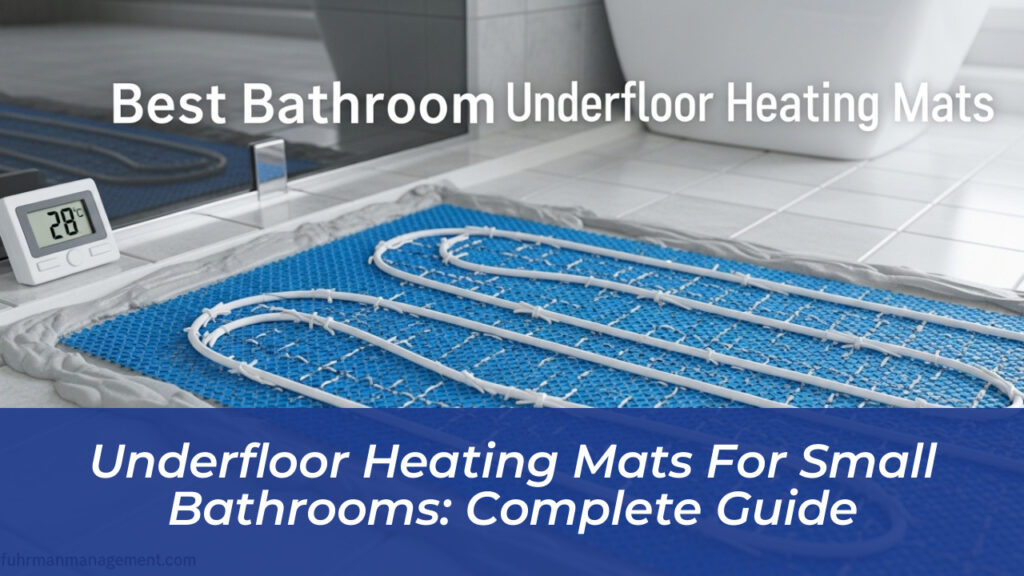
Stepping onto a freezing tile floor during a cold morning can ruin the start of any day. In compact powder rooms and en-suite baths, space is at a premium, and bulky radiators simply do not fit. Installing underfloor heating mats offers an efficient way to eliminate chilly surfaces while keeping your walls completely free. Selecting the right system for a small layout requires careful attention to mat sizing, electrical loads, and compatibility with flooring materials.
Evaluating Electric Versus Hydronic Systems for Compact Spaces
When planning radiant warmth for a tight footprint, electric heating mats are almost always the superior choice over water-based hydronic pipes. Electric systems feature ultra-thin profiles-typically around one-eighth of an inch thick-which prevents awkward transitions between the bathroom and hallway floors. They heat up rapidly, respond instantly to programmable thermostats, and require zero structural changes to your subfloor.
Hydronic systems, by contrast, rely on a network of water tubes and require thick layers of concrete screed. They make sense for whole-home ground-up construction, but in a compact bathroom, they add unnecessary height, expense, and complexity. Electric heating mats deliver focused, responsive warmth exactly where you need it without raising floor levels.
Calculating the Correct Coverage Area
A common mistake when shopping for small bathroom heating kits is buying a mat that matches the room’s total square footage. Permanent fixtures such as bathtubs, walk-in showers, vanity cabinets, and toilets occupy a substantial portion of the floor and should never have heating wires placed beneath them.
Begin by measuring the total dimensions of the room, then subtract the footprint of all permanent fixtures. For instance, a standard five-by-eight-foot powder room contains 40 square feet. After accounting for a bathtub, vanity, and toilet, the actual open walking space shrinks to roughly 12 to 15 square feet. Purchasing a 10 or 15-square-foot heating mat kit ensures you achieve optimal coverage without wasting material or buying an oversized system.
Key Features of Top Underfloor Heating Kits
Quality electric heating kits include several components designed to simplify installation and protect your investment:
- Self-Adhesive Mesh: Mesh backings with double-sided tape hold the heating cable securely in place while you apply thinset mortar or leveling compound.
- Installation Monitors: Battery-operated alarm devices attach to the wires during installation. If the cable is accidentally nicked or severed by a trowel, the alarm sounds immediately.
- GFCI-Protected Thermostats: Bathroom installations require built-in Ground Fault Circuit Interrupter protection to safeguard against electrical hazards in wet zones.
- Dual-Sensing Capabilities: Advanced thermostats monitor both air and floor temperatures, preventing overheating and maintaining steady comfort levels.
Step-by-Step Installation Considerations
While hiring a licensed electrician to handle the final wiring and circuit verification is essential, many experienced homeowners manage the physical mat placement themselves. Careful subfloor preparation dictates the long-term success of the project.
The subfloor must be entirely clean, flat, and structurally sound. For concrete slabs or wood subfloors alike, adding a layer of thermal insulation board directly beneath the heating mat prevents downward heat loss and speeds up warm-up times. When rolling out the mat, never cut the actual red heating wire. You can cut and pivot the fiberglass mesh to change directions, but slicing the conductor ruins the electrical circuit.
Once the mat is securely adhered, embed the entire assembly completely in polymer-modified thinset mortar or a self-leveling compound. Leaving air pockets around the heating wires creates hot spots that can shorten the lifespan of the system.
Flooring Compatibility for Small Bathrooms
The thermal properties of your chosen surface material dictate how efficiently your underfloor system operates. Ceramic tile, porcelain, marble, and natural stone represent the gold standard for radiant heating. These dense materials possess high thermal mass, absorbing heat quickly and radiating it evenly across the room.
Luxury vinyl tile and plank products can also work effectively, provided both the flooring manufacturer and the heating mat maker certify them for radiant heat applications. Always verify temperature thresholds; most vinyl flooring restricts maximum surface temperatures to 85 degrees Fahrenheit. Avoid thick carpets or heavy rugs, as they insulate the floor, trap heat, and risk damaging the underlying system.
Maximizing Energy Efficiency
Running a radiant floor system efficiently comes down to smart programming. Leaving the system powered on continuously wastes electricity. Instead, pair your heating mat with a seven-day programmable or WiFi-enabled thermostat.
Configure the thermostat to activate the system roughly thirty to forty-five minutes before your typical morning or evening routine. By running the mats only when the bathroom is actively in use, you maintain total comfort while keeping operational costs minimal. Properly insulated subfloors combined with timed scheduling can reduce overall energy consumption by up to fifty percent, turning a minor luxury into a practical, sustainable home upgrade.