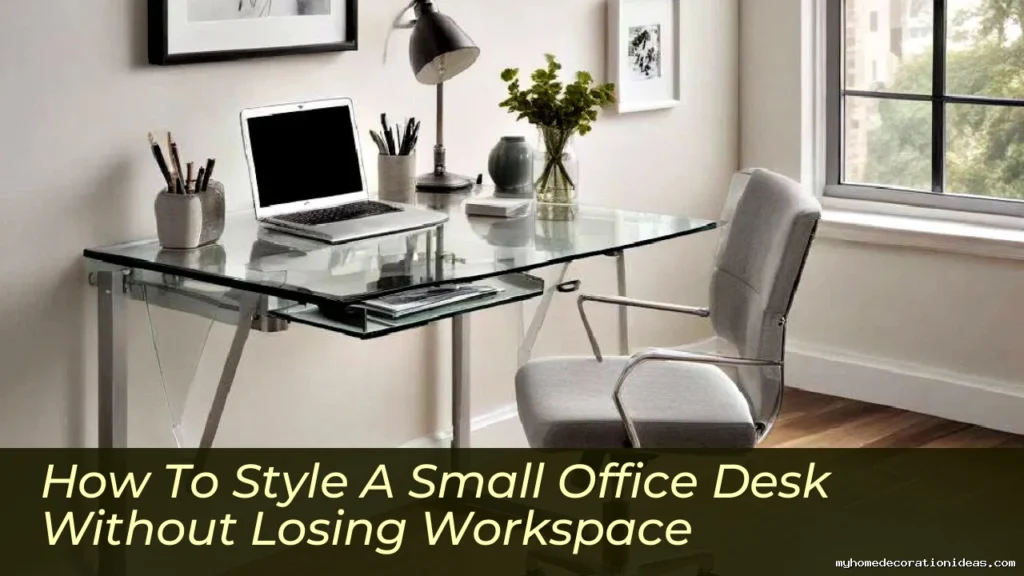
Working in tight quarters presents a unique design dilemma. You want an inviting, highly functional aesthetic that inspires daily focus, yet every decorative trinket or bulky organizer threatens to eat away at your precious surface area. Maintaining an open, breathable work zone on a compact desk requires strategic styling methods rather than arbitrary clutter accumulation. This comprehensive guide explores actionable frameworks, vertical storage engineering, and minimalist design tactics to transform a cramped workstation into an optimized sanctuary of productivity. Maximizing limited square footage starts with understanding the psychology of workspace friction. When your forearms rest on loose papers, tangled charging cords, or overflowing pen cups, cognitive fatigue increases rapidly. By shifting physical storage off the primary desktop and employing purposeful visual layering, you retain 100 percent of your usable surface while learning how to style a small office desk without losing workspace.
The Physics of Compact Desk Design
A standard small desk typically measures between 32 and 42 inches in width. At these dimensions, every square inch counts toward equipment placement, typing ergonomics, and task execution. Traditional decorating advice often suggests placing photo frames, bulky calendars, and heavy ceramic pencil holders directly onto the surface, which immediately destroys functional workspace. To counteract this, adopt the Zero-Footprint Decorating Principle. This design rule states that desktop items must either serve an active digital or analog task every single day, or they must be housed on vertical planes outside the primary desk footprint. Implementing this framework allows you to curate a visually rich environment without sacrificing mouse movement or keyboard clearance.
Traditional desk configurations often fail because they rely on horizontal sprawl. When you audit your current setup, notice how many items sit idly on the wood or laminate surface. By shifting these elements upward or underneath, you reclaim total physical freedom. The following breakdown contrasts outdated habits with streamlined space-saving strategies.
| Traditional Desk Approach | Optimized Small-Desk Strategy | Workspace Saved |
|---|---|---|
| Desktop pen holders and sticky note stacks | Magnetic wall strips and under-desk drawer inserts | Approx. 120 sq. inches |
| Standard table lamps with wide round bases | C-clamp swing-arm lamps or wall-mounted sconces | Approx. 85 sq. inches |
| Physical paper trays resting on the back corner | Vertical wall file sorters or hanging pocket organizers | Approx. 150 sq. inches |
| Potted plants sitting directly on the work surface | Floating shelves with trailing pothos or snake plants | Approx. 60 sq. inches |
Leveraging Vertical Real Estate
When horizontal surface area reaches maximum capacity, look upward. Vertical storage serves as the ultimate design hack for micro-offices, studio apartments, and bedroom workstations. Utilizing walls transforms dead architectural space into functional display zones.
Installing Floating Shelves Without Visual Heavyweight
Mounting two or three minimalist floating shelves directly above your computer monitor creates a striking focal point while keeping textbooks, reference manuals, and decorative accents completely off your desk. Select shelves finished in light oak, birch, or matte white to match your wall color, which tricks the eye into perceiving an expansive, airy room volume.
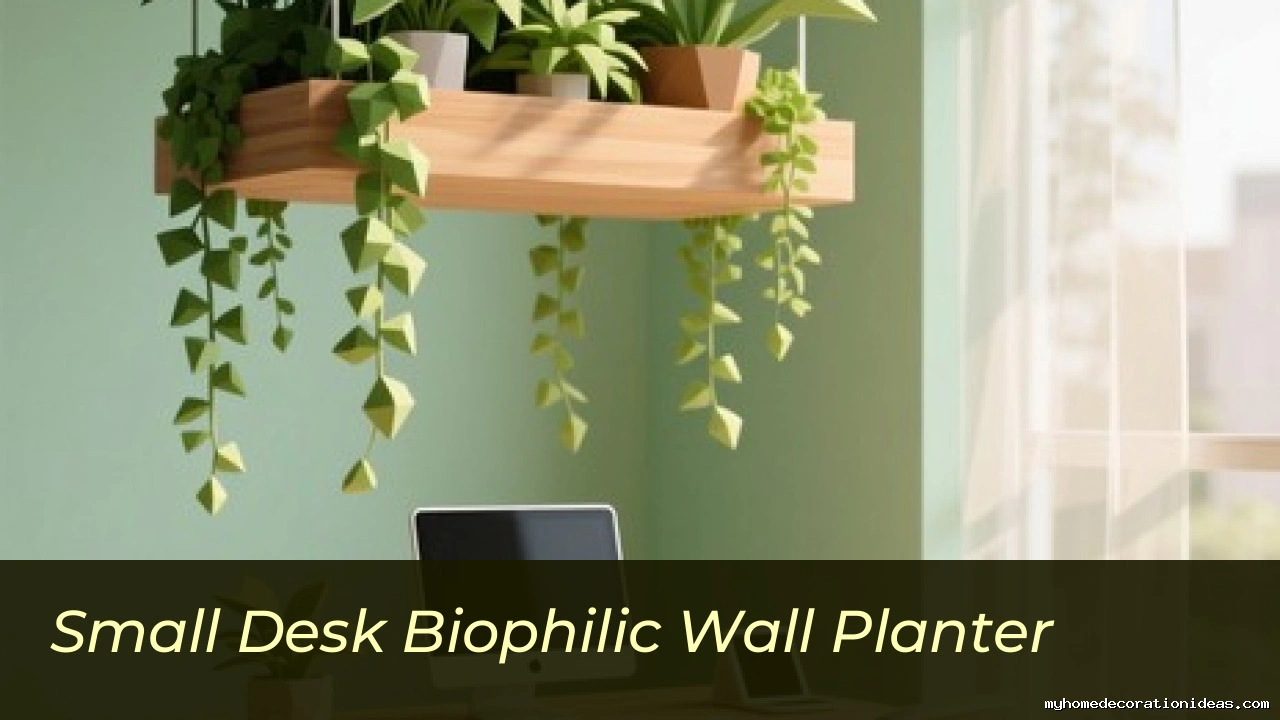
When styling these shelves, follow the rule of odd numbers. Place a small trailing pothos plant on the top left shelf to let vines cascade downward, position a stack of three hardcover books horizontally in the center, and anchor the right side with a small framed minimalist art print. This arrangement adds texture and personality without making the upper wall feel oppressive.
Modular Pegboard Systems
Pegboards offer unparalleled customization for small office configurations. Constructed from steel or high-density fiberboard, a wall-mounted pegboard acts as an interactive command center. Hang small wire baskets to hold charging cables, use specialized hooks for headphones, and attach magnetic mini-shelves for sticky notes.
Paint your pegboard to match your interior color story. A soft sage green creates a calming, biophilic backdrop, while a crisp matte black provides high contrast against white walls. By moving loose accessories onto the vertical pegboard grid, your desktop remains completely pristine.
Advanced Cable Management Systems
Nothing destroys the illusion of a clean, styled small desk faster than a rat’s nest of tangled power cords and USB cables. Cords spilling across your work surface create visual clutter and restrict hand movement.
- Under-Desk Cable Trays: Screw a ventilated wire mesh tray directly to the underside of your wooden desktop. Route all power bricks and excess cord length into this tray.
- Desktop Grommet Integration: If your desk permits, install a clean aluminum or rubber cable grommet to feed monitor and laptop power lines straight down through the surface rather than draping over the back edge.
- Velcro Cord Sleeves: Bundle power adapters, display cables, and charging lines together inside flexible neoprene sleeves to maintain a single streamlined conduit running to the floor outlet.
- Magnetic Cable Holders: Stick weighted magnetic cable clips to the back edge of your desk. These keep phone chargers and peripheral cords from slipping off the table when unplugged.
Strategic Lighting Without Desktop Footprint
Proper illumination reduces eye strain and sets an inviting mood, but conventional desk lamps consume valuable corner real estate. Swap out traditional table lamps for space-saving alternatives that cast warm, focused light across your workspace.
Install an articulated swing-arm lamp featuring a heavy-duty C-clamp attached to the rear edge of the desk. This allows the lamp base to hover entirely off the functional surface while letting you adjust the arm angle dynamically throughout the day. Alternatively, mount a minimalist LED light bar directly to the top bezel of your computer monitor.
Monitor light bars illuminate your keyboard and paperwork perfectly without casting glare on screen surfaces and require zero footprint. Select LED bulbs in the 2700K to 3000K color temperature range. This emits a soft, warm golden glow that mimics natural evening light, fostering a calm, focused psychological state during deep-work sessions.
Ergonomics Meets Aesthetics
A beautiful desk setup fails instantly if it causes physical discomfort. Balancing ergonomic health with visual style requires intentional furniture selection.
Choosing the Right Compact Seating
Oversized executive leather chairs overwhelm small rooms visually and physically. Instead, select a sleek mid-century modern task chair upholstered in a tactile boucle or neutral linen fabric. Look for models with a slim silhouette, pneumatic height adjustment, and breathable mesh backs hidden behind fabric upholstery. This provides essential lumbar support during eight-hour workdays while maintaining a light, residential interior aesthetic. Pair your chair with a low-profile wool flatweave rug or a round jute accent rug to define the office zone.
Integrating Biophilic Elements and Color Theory
Enhancing cognitive stamina requires nature-inspired design elements that stimulate creativity without demanding physical space. Utilize specialized vertical planters, hanging holders, and magnetic succulent containers to introduce living greens without crowding your workspace.
Apply a neutral monochromatic base palette of warm beige, soft taupe, or crisp off-white across walls and large accessories. Layer seasonal color pops through swappable items like mouse pads, ceramic catch-all trays, or notebook covers. This keeps the aesthetic fresh and easily adjustable.
Frequently Asked Questions
How can I protect my small desk surface from scratches while keeping it stylish?
Utilize high-quality full-desk mats crafted from genuine leather, pressed wool felt, or natural cork. These desk pads safeguard the underlying wood or laminate finish from laptop friction and coffee mug rings while instantly creating a warm, textured foundation for your keyboard and mouse.
What is the best way to organize pens and small stationery on a tiny desk?
Avoid traditional ceramic cups that sit on the work surface. Instead, install a magnetic strip under a nearby shelf or utilize a slim sliding drawer that mounts underneath the desk surface, keeping writing instruments entirely out of sight when not in use.
How do I make a small desk look decorative without feeling cramped?
Stick to the rule of three for desktop items, and ensure every decorative piece has a dual purpose. For example, use a heavy stone bookend to hold up reference manuals or choose a sculptural brass paperweight that doubles as art.
Key Takeaways
- Adopt the Zero-Footprint Decorating Principle to keep 100 percent of your usable surface clear.
- Leverage vertical wall space using floating shelves, pegboards, and hanging file sorters.
- Hide power bricks and wires completely using under-desk trays and Velcro cable sleeves.
- Replace bulky table lamps with C-clamp swing arms or monitor light bars.
- Protect your desktop and add texture with a full-size wool felt or leather desk mat.
Styling a compact workstation successfully relies on discipline, smart vertical engineering, and intentional accessory choices. By eliminating desktop friction and maximizing your walls, you create a workspace that feels expansive, calm, and deeply inspiring.