
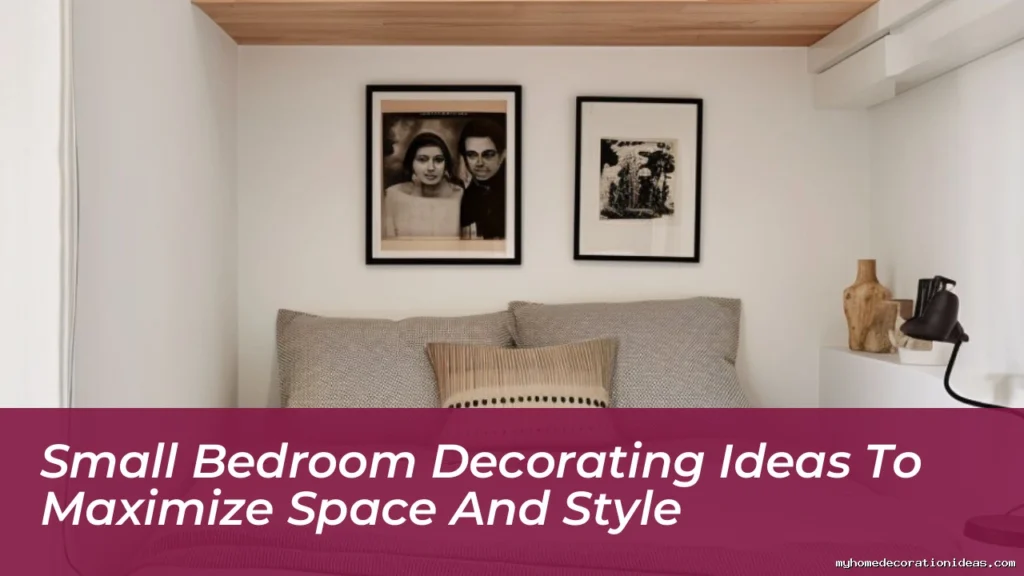
Designing a compact sleeping quarter requires a strategic approach that balances physical constraints with personal style. Limited square footage does not restrict aesthetic potential or functional comfort. Instead, compact dimensions encourage intentional choices regarding layout, color theory, multi-use furnishings, and vertical storage. Every square inch offers an opportunity to build a tailored, serene retreat. This comprehensive guide covers proven design principles, spatial optimizations, and visual techniques crafted to maximize any diminutive sleeping zone.
Deploying Light Color Palettes For Maximum Spatial Expansion
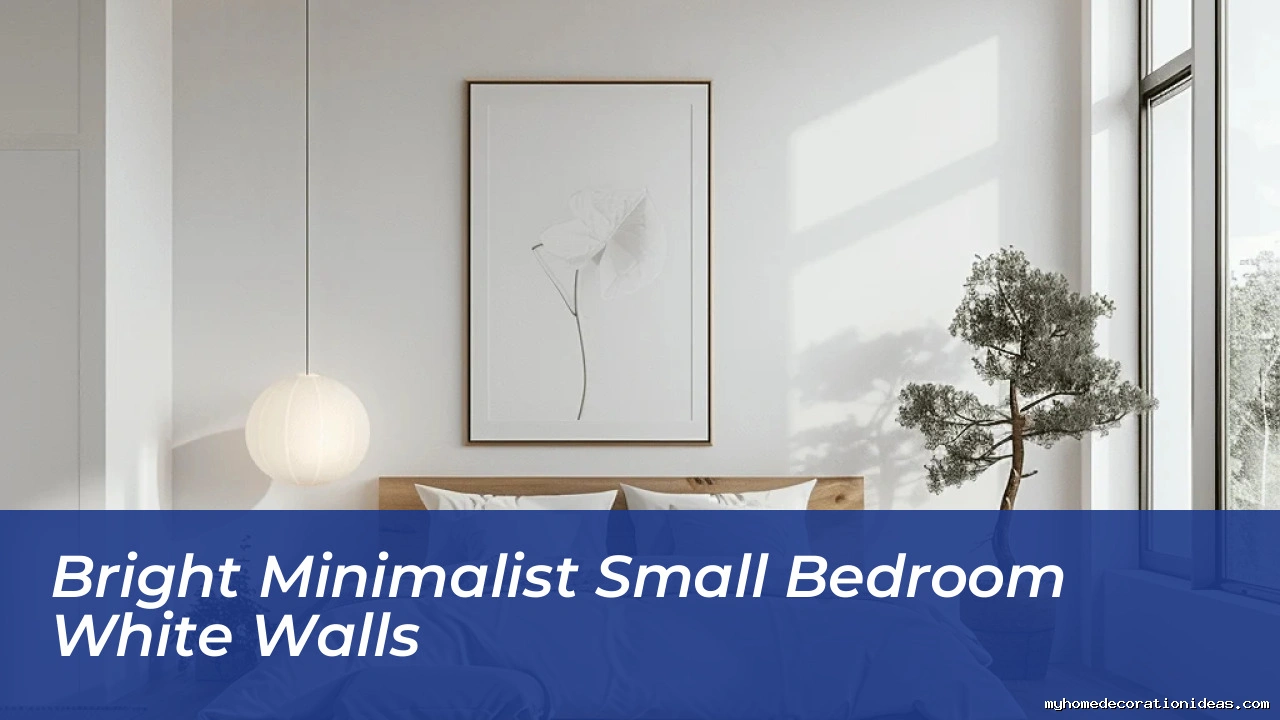
Light hues act as natural reflectors for natural and artificial illumination. Walls finished in crisp white, warm ivory, pale ash gray, or soft pastel undertones bounce photons around the room. This diffusion blurs boundaries and tricks the eye into perceiving a more expansive area. High light-reflectance value (LRV) paints amplify daylight streaming through windows, instantly brightening shadowy corners and making walls feel like they are receding outward.
Prevent a sterile atmosphere by introducing tactile wood finishes, woven jute textures, or brushed brass fixtures. Pairing bright white walls with white oak flooring and textured linen bedding adds warmth without cluttering the visual field. Steer clear of saturated dark walls that absorb light and compress physical dimensions, unless you intentionally want a moody, cave-like sleep environment.
Investing In Multifunctional Furnishings
Floor space remains the ultimate luxury in compact layouts. Selecting pieces that perform double duty eliminates the need for redundant furniture items. A bed integrated with pull-out drawers or a fold-down secretary desk transforms a single-purpose zone into an efficient living space. Hydraulic lift beds allow you to access massive volume underneath the mattress platform without wrestling traditional side drawers that require clearance space.
Utilize a slim console table that functions as a morning vanity table and an evening remote work station. Nesting tables can be pulled out only when required, keeping circulation pathways completely unobstructed throughout the day. Every piece of furniture must earn its footprint in a small room.
Opting For Wall-Mounted Lighting Fixtures
Bedside tables consume valuable square inches that could otherwise remain open. Hardwired wall sconces or hanging plug-in pendant lights liberate surface areas while delivering focused illumination for reading and relaxing. Position swing-arm sconces roughly twenty-four inches above the mattress top for optimal reading angles without causing glare.
Pair wall lights with warm-temperature LED strips concealed behind headboards for indirect radiance. Eliminate lamp cords trailing down to floor outlets by opting for sleek, concealed wire channels painted to match the wall perfectly. This attention to detail creates a clean, hotel-inspired aesthetic.
Incorporting Floor-Length Mirrors To Create Depth
Mirrors serve as architectural tricks in cramped rooms. A tall, leaning floor mirror captures light from opposing windows and bounces it back into shadowy areas, instantly doubling the perceived depth of the interior. Position the glass perpendicular to natural light sources to maximize light diffusion across the room.
Choose slim metal frames in matte black or brushed nickel to maintain a lightweight visual profile. Alternatively, select sliding wardrobe doors outfitted with mirrored panels to cover large surface areas efficiently without eating up extra floor space.
Maximizing Vertical Space For Comprehensive Storage
When horizontal dimensions are constrained, look upward. Walls represent vast, underutilized storage real estate. Installing floating shelves, tall bookcases, and high-mounted cabinets keeps clutter off the floor and draws the eye upward, emphasizing ceiling height.
Store seasonal garments or bulky winter blankets in decorative woven baskets placed on high perimeter ledges. Secure tall shelving units directly into wall studs to prevent tipping hazards in tight quarters. Paint wall-mounted shelving the exact color of the wall to make storage appear integrated rather than tacked on.
Choosing Platform Beds For A Streamlined Silhouette
High-profile traditional frames with ornate headboards and footboards swallow physical space. Low-profile platform beds introduce a modern, anchored aesthetic that lowers the visual center of gravity. Pair a platform base with a medium-profile mattress to keep the overall height balanced and easy to make.
Elevated low designs allow air to circulate and expose more flooring, enhancing the illusion of expanse. Select wooden or upholstered platform frames without protruding corners that snag clothing during nighttime navigation.
Transforming Awkward Architectural Niches
Unusual structural angles, recessed walls, or chimney chases often present layout challenges. Instead of ignoring these anomalies, turn them into customized functional zones. Fit a custom upholstered bench seat inside a shallow window recess and add comfortable throw pillows to create a hidden reading nook.
Run a custom wood slab across a narrow alcove to create an intimate writing station. Apply a vibrant, patterned wallpaper exclusively within the niche to celebrate architectural uniqueness while keeping the main room restful.
Utilizing Sheer Curtains For Maximized Illumination
Heavy velvet or blackout drapes can suffocate a small sleeping space. Sheer linen or cotton-blend window treatments diffuse harsh sunlight while maintaining interior privacy. Mount curtain rods six inches below the ceiling line, extending past the window frame width to make windows appear significantly larger.
Allow hems to graze the floor lightly rather than pooling heavily, maintaining an uncluttered look. Pair sheer panels with lightweight room-darkening shades hidden behind them if you require complete darkness for sleeping.
Leveraging Under-Bed Real Estate
The cavern beneath the mattress represents prime real estate for stowing less frequently used possessions. Standard plastic storage bins or specialized rolling drawers slide effortlessly into this hidden zone. Utilize zippered canvas bags to protect off-season clothing and extra linens from dust accumulation.
Measure the exact clearance height from floor to bed frame before purchasing rigid containers. Apply clear adhesive labels to the ends of bins to identify contents without pulling everything out.
Curating Artwork Strategically
Compact walls require thoughtful curation. Avoid scattering tiny frames randomly across the room, which generates visual noise. Hang a single large-scale canvas above the bed to anchor the primary wall without visual clutter. Keep frame styles uniform across a small gallery wall to maintain a cohesive, tailored appearance.
Leave ample blank wall around artwork to let the composition breathe. Negative space is just as important as the art itself in tight quarters.
Implementing Folding Desks For Spatial Adaptability
Remote work demands dedicated space, but permanent desks consume valuable square footage. Wall-mounted drop-leaf desks fold flat against the wall when not in use. Choose desks with gas-strut mechanisms for smooth operation.
Install grommet holes to route laptop chargers neatly and prevent cord tangles. Pair folding desks with backless stools that tuck entirely underneath the work surface when the day is done.
Decorating With Statement Area Rugs
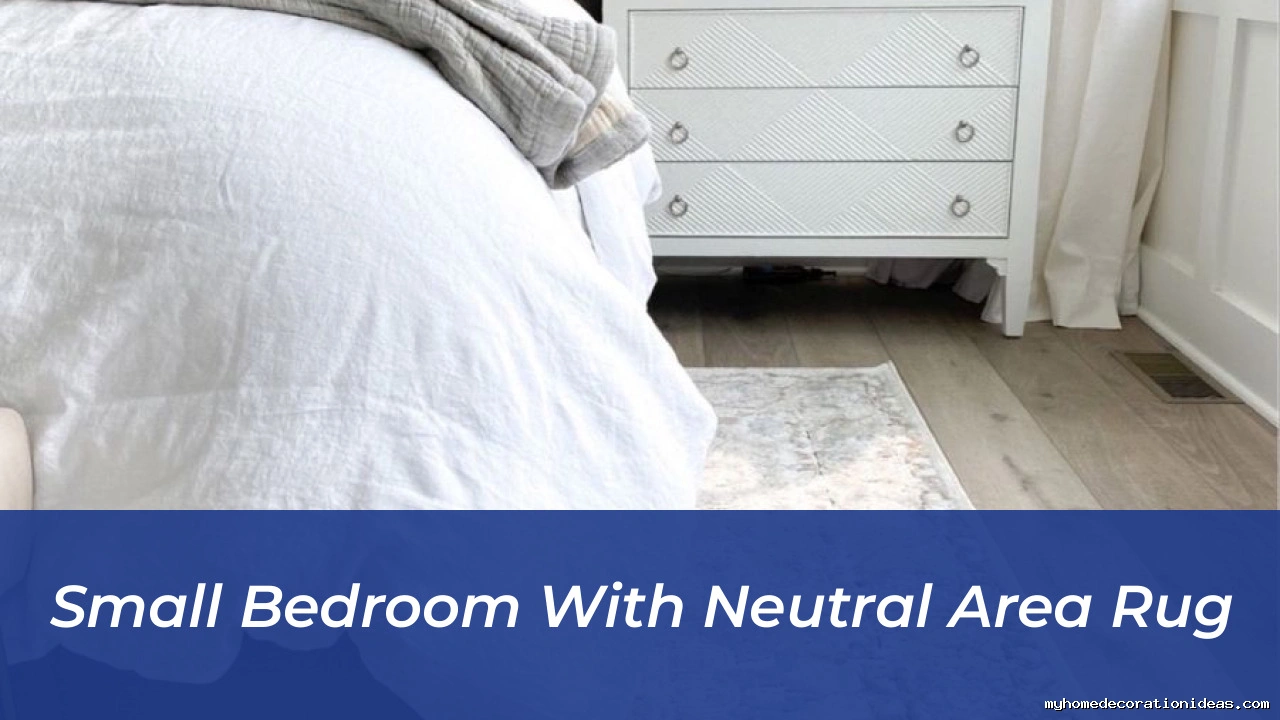
Anchoring furniture layouts and introducing tactile warmth underfoot transforms the sensory experience of a bedroom. Extend rugs eighteen inches beyond the bed edges to frame the sleeping zone properly. Choose medium-scale geometric or abstract patterns that add interest without overwhelming the floor.
Opt for low-pile wool or flat-weave constructions to facilitate easy furniture movement and door clearance.
Installing Sliding Doors To Eliminate Swing Clearance
Traditional hinged doors require a wide swing arc that can block furniture placement in tight bedrooms. Sliding pocket doors or barn-style doors solve this spatial puzzle entirely. Invest in heavy-duty nylon rollers for silent, effortless sliding operation. Combine these space-saving doors with mirrored surfaces to gain dual functionality.
Frequently Asked Questions
What colors make a small bedroom look bigger?
Light, reflective colors like crisp whites, soft grays, warm ivories, and pale pastels maximize natural light diffusion, making walls feel further apart. Avoid dark, saturated shades if your goal is spatial expansion.
How can I store things in a bedroom with no closet?
Utilize vertical wall space with floating shelves, invest in a hydraulic lift bed for under-mattress storage, and use multi-functional furniture like storage benches or clothing racks with integrated shelving.
Are platform beds good for small bedrooms?
Yes, platform beds feature low-profile silhouettes that lower the visual weight of the room and often expose more floor area, which enhances the illusion of a larger space.
How do I arrange furniture in a tiny bedroom?
Center the bed against the largest wall, keep pathways to the door and windows completely clear, and utilize wall-mounted lighting and shelving to preserve valuable floor space.
Key Takeaways
- Prioritize light color palettes with high light-reflectance values to bounce natural light.
- Invest in multifunctional furniture such as hydraulic lift beds and fold-down desks.
- Maximize vertical dimensions by installing shelving and wall-mounted lighting.
- Keep floor areas visible and uncluttered to enhance the illusion of space.
Conclusion
Decorating a compact bedroom is an exercise in intentional design. By implementing vertical storage solutions, embracing multifunctional furniture, and utilizing light color palettes, you can transform even the smallest sleeping quarters into a functional, serene oasis. Every design choice should serve a distinct purpose while maintaining your personal aesthetic vision.