
Spacious bedrooms offer incredible architectural potential, yet they frequently present unique interior design challenges. Without deliberate planning, an expansive footprint can easily feel cold, cavernous, or disjointed. Transforming a large sleeping quarter into a cohesive, highly functional sanctuary requires balancing scale, defining purposeful zones, and utilizing architectural details that command attention without cluttering the visual field. This guide synthesizes elite design methodologies to deliver an authoritative masterclass in styling expansive bedroom interiors.
Understanding the Spatial Dynamics of Large Bedrooms
The primary pitfall in designing a sprawling bedroom is treating the entire square footage as a single, uniform area. Smaller rooms naturally dictate furniture placement around their perimeters, but oversized rooms demand an intentional internal layout. Professional designers approach expansive spaces through the lens of proportion and human-centric utility. Every square foot requires a clear reason for existence, whether it supports rest, recreation, organization, or quiet contemplation.
Before introducing new furniture or selecting color palettes, analyze the natural architectural bones of the room. Note natural light paths, ceiling heights, focal points such as fireplaces or panoramic windows, and high-traffic pathways. Establishing clear circulation routes prevents the room from feeling blocked or awkward, ensuring effortless movement from the entry point to the bed, windows, and ensuite facilities.
1. Divide and Conquer Through Strategic Functional Zoning
Zoning is the cornerstone of successful large bedroom design. Breaking an oversized room into distinct functional areas prevents the space from feeling like an empty hotel suite and injects an intimate, welcoming atmosphere.
- The Sleeping Zone: Anchored by the bed, nightstands, and core lighting, keeping this zone serene and free from unnecessary distractions.
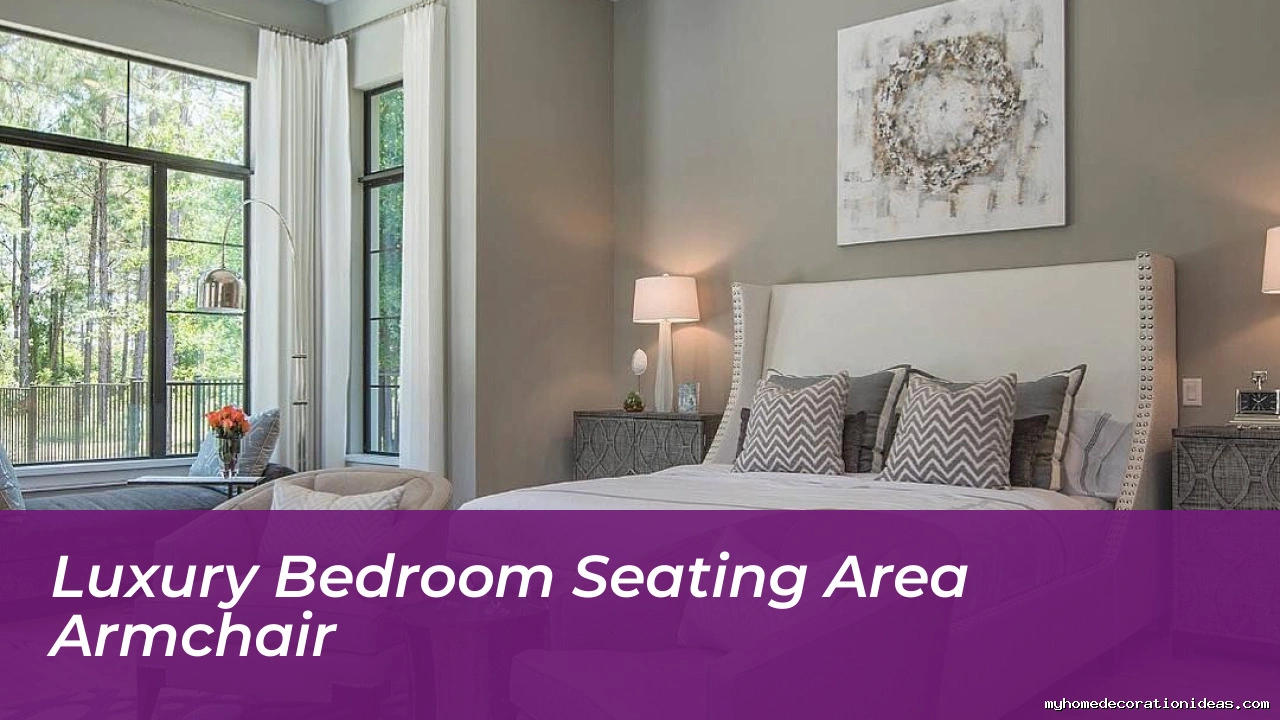
- The Lounging Zone: Positioned near a window or fireplace, featuring comfortable armchairs, a plush chaise lounge, or a small sofa paired with an accent table.
- The Dressing Zone: Configured near walk-in closets or wardrobe walls, incorporating a full-length mirror, an upholstered bench, and a freestanding armoire.
- The Productive Zone: Tucked into a quiet corner away from direct line-of-sight to the mattress, housing a refined writing desk and ergonomic seating.
Define these distinct boundaries using physical elements such as large area rugs, contrasting wall treatments, low-profile screening, or deliberate furniture placement that floats away from the walls.
2. Anchor the Room with an Oversized Statement Bed
Standard furniture proportions fail completely in a sprawling room. A standard queen-sized bed often looks isolated and insignificant against massive walls and high ceilings. Upgrading to a King or California King size is essential, but the visual weight of the frame matters just as much as its sleeping surface.
Choose a bed frame with considerable presence. Upholstered headboards soaring six feet high, heavily carved solid wood structures, or stately four-poster canopy beds establish the necessary vertical and horizontal scale. For an elevated resort aesthetic, hang sheer or heavyweight drapery from a canopy frame to introduce tactile softness and architectural grandeur.
3. Curate a Dedicated Seating Area for Enhanced Luxury
Integrating a living space inside a bedroom bridges the gap between private sanctuary and executive suite. Position a pair of tailored armchairs with an occasional table near a sunlit window or a bedroom fireplace. Alternatively, place a curved loveseat or a deep-seated chaise lounge facing outward toward the room to create an inviting conversational grouping. This dedicated space provides a comfortable venue for morning coffee or evening reading without requiring occupants to sit directly on made bed linens.
4. Introduce Architectural Warmth with Fireplaces and Surrounds
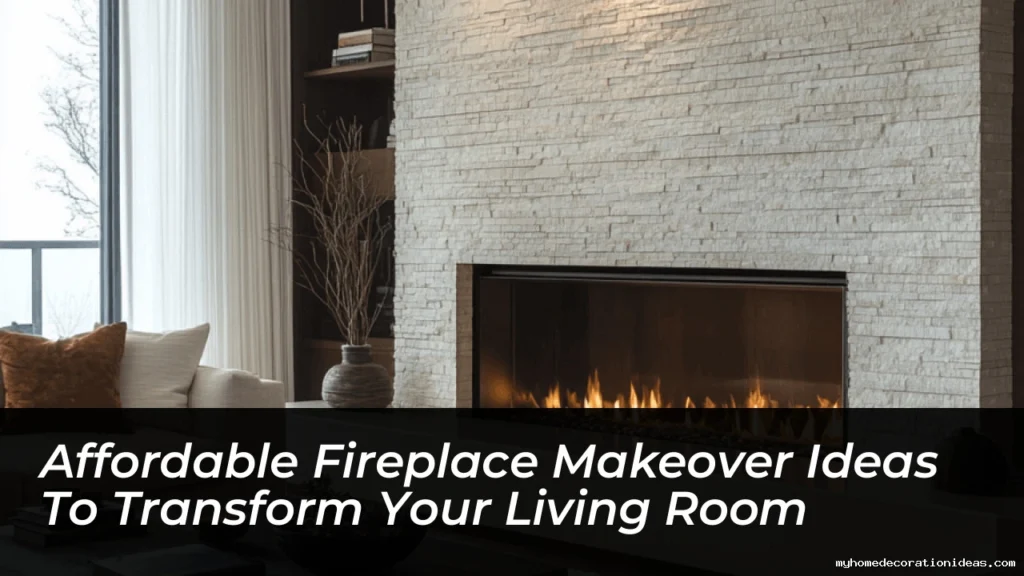
Expansive rooms frequently suffer from cold acoustics and stark wall surfaces. Introducing a fireplace acts as an immediate architectural anchor that radiates physical and visual warmth. While traditional wood-burning or gas fireplaces remain the gold standard, modern electric fireplace inserts built into custom media consoles or faux stone feature walls offer flexible installation without complex venting requirements.
Frame the fireplace with matching club chairs to establish an intimate secondary focal point. This creates a functional destination on chilly evenings, transforming dead corner space into a cozy architectural nook.
5. Layer Rugs to Ground Floating Furniture Arrangements
Hardwood, concrete, or stone flooring looks magnificent in large spaces, but without proper textile layering, it contributes to an echoing, cavernous ambiance. Area rugs solve this issue by anchoring floating furniture groupings and providing physical warmth underfoot.
Select a primary oversized area rug large enough to extend at least eighteen inches beyond the nightstands and the base of the bed. In larger zones, such as a seating nook or dressing area, use smaller, contrasting rugs to delineate boundaries. Experiment with texture by layering a smaller, high-pile sheepskin or woven jute rug over a larger, flat-weave neutral base to add depth and tactile dimension.
6. Master the Ambiance with Layered Lighting Architectures
Relying on a single overhead ceiling fixture destroys the cozy ambiance of a large bedroom. Effective lighting schemes in oversized rooms operate on multiple planes simultaneously, providing flexibility for different activities and times of day.
- Ambient Lighting: Centered overhead fixtures such as dramatic multi-tiered chandeliers or oversized organic pendant lights that draw the eye upward and define the core volume of the room.
- Task Lighting: Focused illumination including articulating bedside sconces, reading floor lamps by lounge chairs, and dedicated desk lamps for home offices.
- Accent Lighting: Subtle mood enhancers such as LED strips concealed behind upholstered headboards, picture lights over major art installations, and uplights tucked into dark room corners.
Install dimmers on all lighting circuits to effortlessly transition the room from a bright, energetic dressing space into a moody, cocoon-like sleeping sanctuary.
7. Go Bold with Vertical Wall Treatments and Paneling
Expansive walls can easily look flat, sterile, or overwhelming if left bare. Capitalize on generous proportions by introducing architectural wall treatments that build texture and structural interest.
Apply traditional wainscoting and beadboard to the lower third of vast walls to establish grounded human proportions. Create contemporary feature walls with slatted vertical wood paneling behind the bed to soften acoustics. Utilize mineral-based limewash paints and Venetian plaster to diffuse natural light softly across massive surfaces.
8. Maximize Scale with Oversized Art and Sculptural Mirrors
Standard retail decor items look postage-stamp sized on grand bedroom walls. Eliminate visual clutter by replacing small picture frames and gallery walls with single, large-scale abstract canvases that command attention.
Position oversized floor-length leaning mirrors opposite large windows to amplify perceived openness and daylight reflection. A sculptural full-length mirror also acts as a functional anchor for the dressing zone while visually expanding the horizontal boundaries of the suite.
9. Reimagine Storage as Integrated Architectural Millwork
Standard bedroom dressers and freestanding armoires often look disjointed and undersized in large footprints. Solve storage needs by designing full-height walls of integrated wardrobes featuring floor-to-ceiling slab doors.
Flank fireplaces and windows with bespoke bookcases and glass-front displays that blend seamlessly into the architecture. Custom millwork keeps clutter hidden, maintains clean sightlines, and emphasizes the high-end custom aesthetic of a luxury estate.
10. Treat the Ceiling as Your Essential Fifth Wall
High ceilings represent the ultimate luxury in home design, but they can make a room feel uncomfortably exposed if left stark white and bare. Enhance vertical volume by introducing exposed wooden beams, grid coffered millwork, or tongue-and-groove planking.
Alternatively, apply dramatic ceiling wallpaper featuring moody botanical patterns or metallic paint finishes to pull the high volume downward into a cozy envelope. Drawing the eye upward completes the master suite design and unifies all lower-level zoning elements.
Design Element Comparison
| Zone / Element | Primary Purpose | Recommended Fixtures / Furniture |
|---|---|---|
| Sleeping Zone | Rest and recovery | King bed, massive headboard, layered nightstands |
| Lounging Zone | Relaxation and reading | Tailored armchairs, chaise lounge, accent table |
| Dressing Zone | Grooming and wardrobe storage | Integrated millwork, full-length mirror, bench |
| Productive Zone | Work and contemplation | Minimalist writing desk, ergonomic seating |
Frequently Asked Questions
How do I make a large bedroom feel cozy instead of cold?
Introduce tactile warmth through layered area rugs, heavy drapery, upholstered furniture, and wood wall paneling. Zone the room into smaller, purposeful areas rather than leaving the center open.
What size bed works best in a spacious master bedroom?
King and California King configurations are necessary to match the expansive wall scale and high ceilings of a large bedroom. Pair them with oversized headboards or four-poster frames.
How can I light a large bedroom effectively?
Combine a statement overhead chandelier for ambient volume with layered task lighting like bedside sconces and floor lamps. Add concealed LED accent strips for low-glare evening ambiance.
Conclusion
Designing a large bedroom requires a shift away from perimeter-based layouts toward purposeful spatial planning. By implementing strategic zoning, investing in oversized statement furniture, introducing rich architectural treatments, and layering textures, you can transform an empty cavernous footprint into a deeply personal, highly functional sanctuary.