Choosing the right wardrobe door style is much more than a simple aesthetic decision. The way a door opens dictates how you move through your bedroom, how much usable floor space remains open, and how easily you can access your everyday garments. When homeowners evaluate storage options, the central debate usually comes down to sliding versus hinged configurations. Each system offers distinct mechanical benefits, spatial requirements, and visual personalities that impact daily bedroom routines.
The Core Mechanical Differences
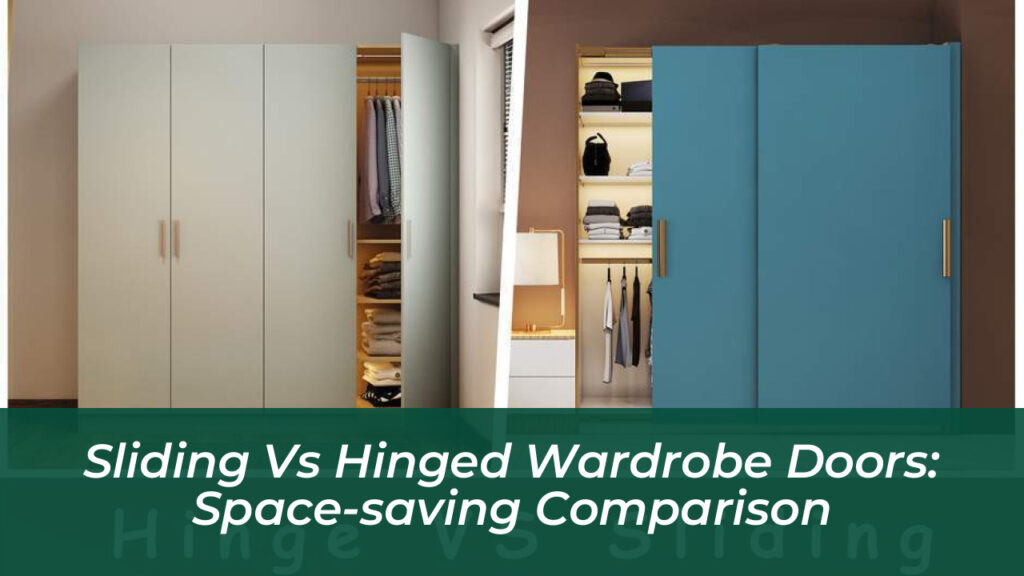
The primary mechanical distinction between these two systems lies in their directional movement. Hinged doors are attached via side-mounted hardware, allowing them to swing outward into the room at a ninety-degree angle or wider. This rotational movement provides an immediate, wide-angle view of the interior cabinetry. On the other hand, sliding wardrobe doors operate on floor and ceiling tracks, gliding horizontally past one another in parallel planes. Because the panels stay locked onto their tracks, they require zero outward clearance to open.
This operational divergence creates a ripple effect across every other aspect of wardrobe design, influencing internal accessory placement, hardware durability, and overall installation complexity.
Space-Saving Realities: Which Design Wins?
The space-saving capability of sliding wardrobe doors is their most celebrated attribute. In compact bedrooms or tight apartments where a bed sits directly opposite the wardrobe wall, traditional swing doors can become completely unusable. If a hinged leaf measures twenty-four inches wide, it requires twenty-four inches of completely unobstructed floor clearance just to open fully. When a room lacks this depth, hinged doors bang against bed frames, side tables, or opposing walls.

Sliding doors eliminate the rotational swing arc entirely. Because the panels slide sideways behind or in front of each other, you can position furniture much closer to the wardrobe face. However, space efficiency involves more than just door clearance. Even with sliding panels, you still need enough standing room to comfortably open the door, step back, and browse your clothing racks. While the swing zone disappears, the ergonomic circulation space in front of the unit remains necessary.
Accessibility, Visibility, and Internal Layouts
Accessibility is where hinged doors traditionally hold an advantage. Opening multiple hinged leaves simultaneously grants a grand reveal of the entire wardrobe interior. You can survey your shirts, suits, shelves, and shoes in one single glance. This unobstructed view streamlines morning routines, especially when coordinating outfits across different storage zones.
Sliding doors operate with spatial compromise. Because one panel must always sit in front of another, you can only expose a portion of the wardrobe at any given moment. A standard two-panel system generally restricts immediate visibility to roughly half of the closet interior. While three-panel configurations offer greater flexibility, you never get the panoramic view that hinged doors provide.
The Danger of Interlocking Internal Drawers
One critical engineering challenge involves coordinating your wardrobe’s exterior doors with its internal drawers. If a sliding door stops directly over the vertical split of an internal drawer stack, you may find yourself unable to pull the drawer open. The drawer edge catches against the back of the sliding panel. Meticulous planning is essential:
- Always map internal module positions alongside door track alignments.
- Ensure wide internal drawers have adequate clearance from the sliding frame.
- Verify that hinged door pulls do not obstruct adjacent swing leaves in tight corners.
Hardware, Maintenance, and Durability
Mechanical reliability dictates how long your wardrobe will function smoothly without requiring professional repairs. Hinged systems rely on straightforward hinge mechanisms. With fewer moving parts and robust mounting plates, hinged doors offer exceptional longevity. If a hinge loosens over time, a simple turn with a standard screwdriver usually restores proper alignment.
Sliding systems demand more complex hardware configurations. They rely on rollers, guides, floor tracks, and anti-jump pins. Dust, carpet fibers, and loose pet hair easily accumulate inside bottom tracks. If left uncleaned, this debris clogs the runner mechanism, causing the doors to glide roughly or derail entirely. High-end sliding systems feature soft-close dampeners and heavy-duty ball bearings that mitigate wear, but they require periodic inspection to maintain effortless movement.
Aesthetic Versatility and Room Style
Surface design often sways the final purchasing decision. Sliding doors create large, uninterrupted horizontal canvases. This continuous expanse lends itself well to expansive mirrored panels, sleek matte laminates, or mixed-material finishes, reinforcing a contemporary, minimalist bedroom aesthetic.
Hinged doors introduce vertical rhythm and shadow lines through panel divisions. While often labeled as traditional, hinged profiles adapt easily to transitional, shaker, or classic interior schemes. Adding statement handles or custom pull hardware further enhances their design flexibility.
Making Your Final Decision
Selecting the optimal door system requires a balanced assessment of your room’s dimensions and daily habits. Opt for sliding configurations when floor clearance is at a strict premium, when you prefer large modern panel surfaces, or when bedroom furniture sits too close to the wardrobe face. Choose hinged doors if you value unobstructed, full-cabinet visibility, want simpler hardware maintenance, or prefer a traditional layout with built-in internal drawer banks.
By evaluating your available square footage alongside your storage habits, you can invest in a wardrobe system that delivers seamless daily functionality and lasting visual appeal.