Choosing the primary cooking appliance for a kitchen renovation involves more than just picking a brand. The debate between a freestanding range cooker and built-in ovens shapes the entire workflow, visual feel, and functional capacity of the space. While a range cooker commands attention as an all-in-one powerhouse, built-in ovens offer a streamlined, modular approach that integrates seamlessly with custom cabinetry.
Modern kitchen range cooker and built-in oven appliances interior
The Contenders
Before weighing their respective pros and cons, it helps to establish a clear definition of what each appliance actually is and how it occupies physical space in a home kitchen.
What Is a Freestanding Range Cooker?
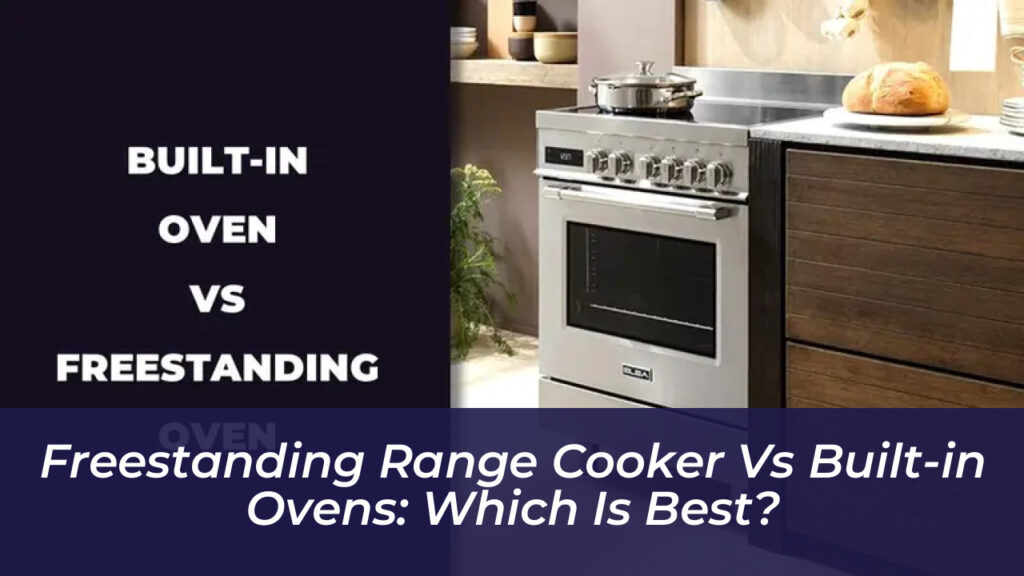
A freestanding range cooker is a complete, single-unit appliance that combines a stovetop on top with one or more oven cavities and grill compartments below. These units stand independently on the floor, sliding neatly into a designated gap between kitchen base cabinets or acting as a standalone feature against a wall. Widths typically start around 60 centimeters for standard models, but larger professional-style variations stretch from 90 centimeters to well over a meter, offering massive capacity and multiple cooking zones.
What Is a Built-In Oven System?
A built-in oven, often called a wall oven or integrated oven, is a single standalone appliance designed to be housed directly inside kitchen cabinetry. Crucially, a standard built-in oven does not include a stovetop. Homeowners must select and purchase a separate cooktop surface to be installed independently into the countertop. Built-in units can be positioned at standard under-counter height or elevated to eye level within a tall pantry tower cabinet.
Design and Aesthetic Impact
The visual footprint of the cooking zone sets the tone for the entire room. How an appliance merges with or interrupts surrounding cabinetry dictates the style of the kitchen.
Range cookers naturally become the visual centerpiece of a room. Available in everything from rustic cast-iron finishes and heritage colors to sleek commercial stainless steel, they make a bold design statement. However, their bulky silhouette can disrupt minimalist, handle-less, or ultra-modern layouts where continuous lines are prized.
Built-in ovens excel at creating a discreet, integrated look. Because they sit flush within cabinetry or walls, they maintain uninterrupted horizontal sightlines. Pairing a black glass or stainless steel oven with a matching induction cooktop yields a cohesive, high-end architectural finish suited to contemporary and open-plan living spaces.
Installation Requirements and Practicalities
The logistics of getting an appliance into your kitchen and hooked up safely can significantly alter your project timeline and budget.
- Freestanding Cookers: Installation is generally straightforward. The unit slides into place, requires minimal carpentry, and connects directly to existing power or gas lines. They are ideal for straightforward replacements or rental properties.
- Built-In Ovens: These require precise cabinet sizing, secure framing, and dedicated housing units. Because the cooktop is separate, installers must cut precise holes in stone or laminate countertops, making professional labor virtually mandatory.
Cooking Capacity and Ergonomics
How you cook on a Tuesday evening versus how you host a dinner party for twelve will ultimately test the practical limits of your appliance.
Range cookers dominate when it comes to raw capacity. Many models feature dual or triple cavities, allowing users to roast a turkey, bake pastries, and simmer sauces simultaneously across independent temperature zones. This multitasking capability makes them a favorite for large families and passionate home bakers.
Built-in ovens, by contrast, offer superior ergonomic flexibility. Installing a single or compact wall oven at eye level eliminates the need to bend down to check on roasting pans or delicate soufflés. While standard single built-in cavities may feel restrictive compared to a large range, homeowners can easily pair multiple wall units-such as a combination microwave oven, a steam oven, and a warming drawer-to achieve bespoke culinary capability.
Comparing Costs and Long-Term Value
Financial considerations extend far beyond the sticker price printed on the showroom floor.
| Feature | Freestanding Range Cooker | Built-In Oven Setup |
|---|---|---|
| Upfront Hardware Cost | All-in-one pricing covers both cooktop and oven. | Requires separate purchases for oven and cooktop. |
| Cabinet Modification | Minimal to none; slides into a standard gap. | Requires custom cabinetry housing or tower units. |
| Replacement Ease | Simple to slide out, disconnect, and replace. | Requires matching exact cabinet dimensions for a swap. |
While range cookers often represent better financial value upfront because they bundle the cooktop and oven into a single purchase, total project costs for built-in systems can escalate quickly once custom cabinetry modifications and dual-appliance purchases are factored in.
Making the Final Decision
Selecting between these two styles ultimately boils down to three core constraints: your available floor space, your architectural layout, and your personal cooking style.
Choose a freestanding range cooker if you possess a spacious kitchen, desire an eye-catching focal point, need maximum oven capacity for heavy-duty family cooking, and want a simple, all-in-one installation process. Opt for built-in ovens if you are designing a sleek modern kitchen, value ergonomic eye-level access, prefer modular layout flexibility, and want your appliances to blend quietly into the background architecture.