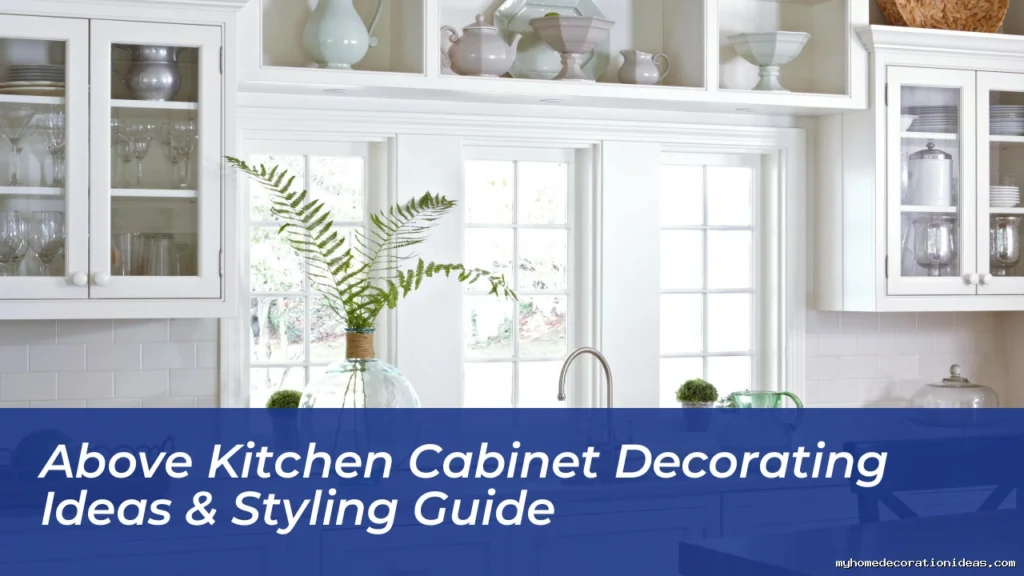
Transforming the gap between your upper kitchen cabinets and the ceiling requires a careful eye for design and spatial balance. Left empty, this vertical area collects dust and creates an unfinished look in an otherwise polished culinary workspace. Effective above kitchen cabinet decorating ideas draw the eye upward, elevate the entire room’s architecture, and add personal character to your home. Achieving this balance means avoiding clutter, respecting proportion, and choosing durable decor that withstands kitchen environments.
Evaluating your room dimensions before buying decorative items prevents costly mistakes. Measure the exact clearance between the top of your cabinetry and the ceiling line to determine your ideal styling strategy. Low clearance under twelve inches calls for minimal, flat accessories, while soaring vaulted ceilings require heavy, oversized anchor pieces to fill the negative space properly.
Architectural Proportions and Ceiling Clearances
Proportion serves as the anchor of successful home renovation and interior styling. Putting oversized urns into a cramped six-inch gap makes the room feel chaotic and claustrophobic. Conversely, placing tiny trinkets beneath a ten-foot ceiling leaves the space looking barren and forgotten. Matching your decorative scale to your architectural reality ensures a cohesive aesthetic.
When planning your layout, step back and view the kitchen from the adjacent living spaces or dining areas. The top of your cabinetry acts as a horizontal frame for the room. Maintaining a balanced distribution of weight across this frame keeps the design grounded and visually pleasing.
Minimal Clearance Under Twelve Inches
Tight spaces demand strict discipline. Keep decorations minimal with low-profile items that hug the wall surface. Thin wooden cutting boards, vintage metal trays, and slender wicker placemats add warmth and texture without crowding the linear expanse. Avoid vertical objects that break the clean horizontal line of low-ceiling kitchens.
Moderate Clearance Between Twelve and Twenty-Four Inches
A gap measuring between twelve and twenty-four inches provides the ultimate sweet spot for creative styling. This vertical zone accommodates medium-sized pottery, grouped vases, and modest stacks of cookbooks. You can comfortably layer heights by placing shorter items in front of taller ones without overwhelming the architecture of the room.
High Clearance Over Twenty-Four Inches or Vaulted Ceilings
Expansive vertical volumes require substantial anchor pieces to command attention. Incorporate large sculptural objects, oversized ceramic jars, or tall botanical arrangements that fill the empty void naturally. Scale up your items significantly so they maintain visibility from ground level.
Ten Curated Decorating Strategies for Above Cabinets
Exploring diverse aesthetic approaches ranging from modern farmhouse to sleek minimalism helps narrow down your design vision. Integrating functional storage with decorative visual weight ensures your upper ledges work hard for your household while looking intentional and curated.
Curating Vases and Ceramic Pottery
Ceramic pottery and glassware break the monotonous lines of traditional kitchen cabinetry. Avoid lining items up in a single, straight row like bowling pins. Instead, cluster items in odd-numbered groups of three or five to generate natural asymmetry. Mix matte terracotta urns with glossy ceramic pitchers to introduce tactile contrast and depth.
Forming Utility Baskets for Hidden Storage
Functional woven storage solves classic kitchen design dilemmas instantly. Utilize rattan, water hyacinth, and seagrass baskets to soften the hard, painted surfaces of wooden cabinetry. Stowing seasonal table linens, holiday serving platters, and rarely used appliance attachments inside these baskets keeps clutter out of sight.
Introducing Natural Greenery and Trailing Plants
Living botanical elements inject vibrant color, texture, and organic warmth into a utilitarian cooking zone. Utilize hardy trailing varieties like pothos, heartleaf philodendron, and cascading ivy to soften harsh cabinet angles. For hard-to-reach zones or low-light kitchens, high-quality artificial silk plants deliver the exact same visual payoff with zero maintenance.
Layering Artwork and Framed Prints
Art placement belongs in the kitchen just as much as the living room. Lean small framed prints, vintage oil paintings, or wood-mounted typography against the kitchen wall. Match your frame finishes with existing hardware, such as warm brass pulls or matte black handles, to tie the room together.
Stacking Vintage Cookbooks and Culinary Literature
Heavy cookbooks feature rich textile bindings, vibrant covers, and historic charm. Create sturdy display platforms by stacking books horizontally in neat piles, or stand them vertically between vintage iron bookends for easy access. Group books by color palette to maintain a clean, intentional look.
Installing Custom Upper Cabinet Boxes and Extensions
Homeowners seeking a permanent architectural solution often build out custom cabinet extensions. Extending cabinetry all the way to the ceiling eliminates the dust trap permanently. Showcase fine china, crystal glassware, and heirloom collections safely behind glass-front upper cabinet boxes.
Integrating Accent Lighting and Illuminated Displays
Lighting transforms ordinary displays into dramatic evening focal points. Place LED strip lighting or puck lights along the top edge of your cabinets to cast a soft upward glow against the ceiling. This ambient illumination highlights textured accessories, copper cookware, and dimensional signs.
Showcasing Functional Copper and Metalware
Repeating metallic finishes near the ceiling unifies the entire room design. Display vintage copper pots, brass kettles, and galvanized tin pitchers to catch natural sunlight streaming through windows. Reflective metal surfaces brighten dark corners and add sophisticated sheen to the space.
Constructing a Statement Accent Wall or Wallpaper Backsplash
If you prefer a clean ledge free of physical objects, focus your design energy on the vertical wall surface. Apply peel-and-stick wallpaper featuring subtle botanical or geometric patterns. Alternatively, paint this strip in a moody, dark accent color to create striking contrast against white cabinetry.
Displaying Thematic Collections and Vintage Heirlooms
Establishing a clear visual narrative through curated collections prevents your styling from looking random. Showcase antique ironstone platters, vintage stoneware crocks, or amber glassware. Maintain strict visual cohesion through a unified color scheme and era-appropriate objects.
The Practical Maintenance Playbook
Active cooking zones generate airborne grease particles and microscopic dust that settle on high horizontal surfaces. Protecting your high-reach investments with proactive upkeep strategies keeps your kitchen fresh and sanitary.
Applying Protective Wax Barriers
Pre-treating wooden cabinet tops with a quality paste wax prevents grease and dust from bonding directly to the finish. This simple step simplifies routine wipe-downs, allowing dust to slide right off the smooth protective coating during seasonal cleanings.
Scheduling Seasonal Cleaning Routines
Plan to remove and wash all decorative accessories every three to four months. Use warm, soapy water and a gentle microfiber cloth to strip accumulated grease and kitchen film from ceramic pottery, baskets, and frames before returning them to their displays.
Utilizing Removable Shelf Liners
Laying clear plastic shelf liners across the top of your cabinets saves hours of scrubbing. When dust accumulates, simply pull out the liners, wipe them clean in the sink, and replace them effortlessly.
Frequently Asked Questions
How do I keep dust and grease off above-cabinet decor?
Applying a thin coat of paste wax to the top of your cabinets creates a protective barrier. Additionally, scheduling a quarterly wipe-down using warm water and dish soap keeps grease buildup under control.
What should I do if my kitchen has very low ceilings?
Keep your above-cabinet styling extremely minimal. Stick to low-profile items like thin wooden boards or flat wicker trays that do not crowd the limited vertical space.
Are artificial plants safe to use near the ceiling?
Yes. High-quality silk or plastic trailing plants work exceptionally well in high-reach zones because they require no water, sunlight, or pruning, making them ideal for hard-to-reach ledges.
How do I style above kitchen cabinets without making the room look cluttered?
Focus on odd-numbered groupings, vary your object heights deliberately, and leave plenty of negative space between displays to maintain a clean, intentional aesthetic.