
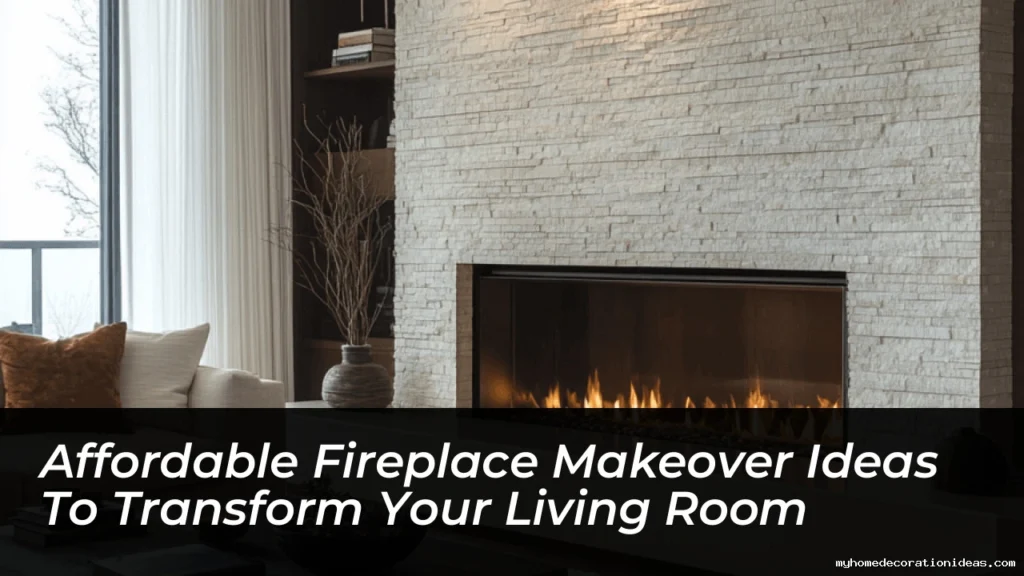
Your fireplace serves as the natural focal point of your living room. When outdated brick, heavy stone, or a dated mantel dominates the space, it pulls down the aesthetic of the entire room. Updating this central feature with effective fireplace makeover ideas does not require a massive construction budget or weeks of messy demolition. Simple surface updates, fresh coats of high-temperature paint, modern tile surrounds, and custom carpentry can completely redefine your living space over a single weekend. Homeowners often hesitate to tackle fireplace renovations because they fear structural complications. However, cosmetic updates offer a high return on investment with minimal labor. Whether your style leans toward sleek modern minimalism, rustic farmhouse warmth, or timeless transitional elegance, several accessible approaches exist to elevate your hearth.
Why Your Living Room Fireplace Needs a Refresh
Design trends shift rapidly, and 1970s red brick or heavy Mediterranean stone often makes rooms feel dark and cramped. A dated fireplace absorbs natural light and clashes with contemporary furniture layouts. Upgrading the hearth brightens the room, establishes a cohesive color palette, and modernizes the entire architectural flow of your main living area. When you strip away visual clutter, the room instantly breathes better and feels larger.
Beyond aesthetics, updating older mantels and fireboxes improves energy efficiency. Sealing drafty dampers, replacing worn-out glass doors, or converting inefficient wood-burning units to clean-burning gas inserts combines visual appeal with practical utility. Small repairs prevent heat loss during winter months, lowering your overall home utility bills while upgrading your interior design.
High-Impact Paint Transformations for Brick and Stone
Paint offers the most dramatic transformation for the lowest financial investment. Standard interior wall paint will crack and peel under fluctuating temperatures. You need specialized masonry primer and high-temperature latex or acrylic paint designed specifically for brick surfaces to ensure long-lasting durability.
Classic Whitewash Technique
A whitewash lets the natural texture of the brick show through while muting heavy orange or red tones. Mix equal parts white latex paint and water in a bucket. Apply the mixture with a large brush, then immediately wipe away excess moisture with a clean cloth until you reach your desired opacity. This method keeps the room bright while maintaining organic warmth.
Solid Matte Black or Charcoal
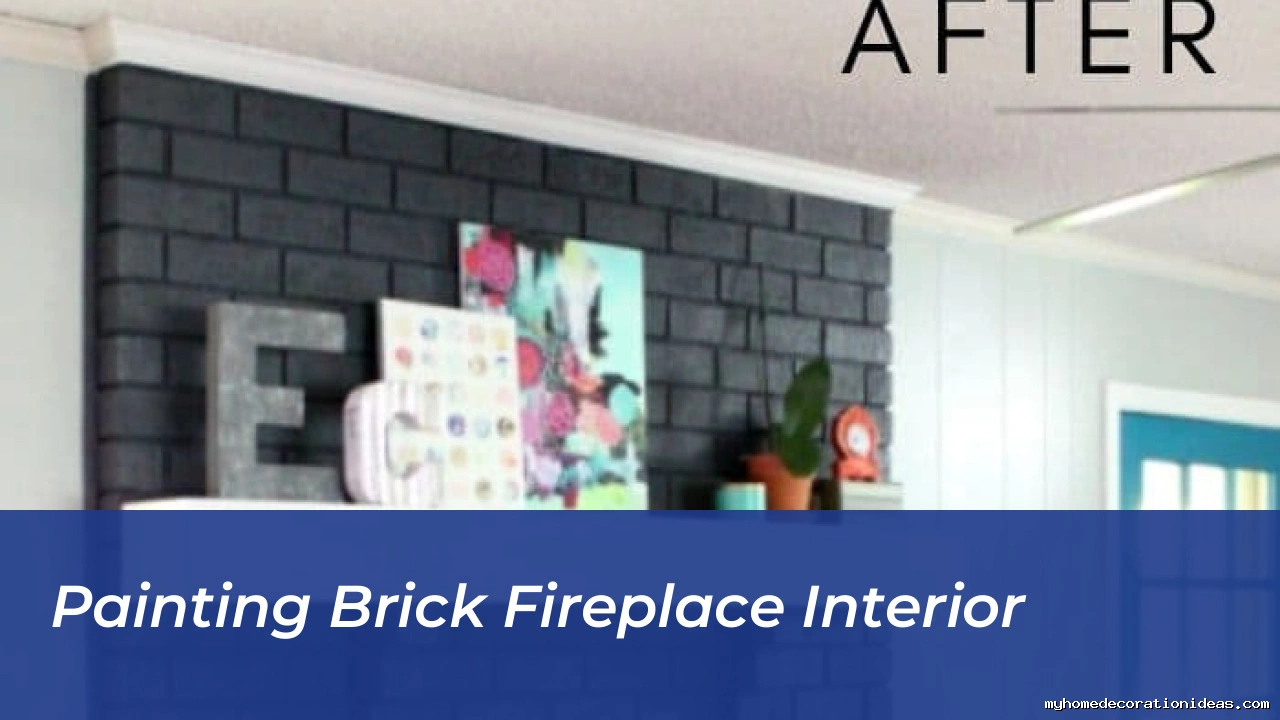
Dark fireplaces anchor a room with sophisticated contrast. Painting old red brick in a deep matte charcoal or jet black creates an instant focal point that pairs exceptionally well with warm wood tones, brass fixtures, and light-colored walls. Ensure the brick is thoroughly cleaned and free of soot before applying a bonding masonry primer.
Modern Tile Surrounds and Overlays
Replacing or covering old tile around the fireplace opening instantly shifts the design era of the room. Ceramic, porcelain, natural marble, and zellige tiles all withstand ambient heat while offering endless design versatility. Choosing the right material changes the tactile experience of the room immediately.
Zellige and Handmade Clay Tiles
Zellige tiles feature subtle color variations and uneven, artisanal edges that catch natural light beautifully. Installing these Moroccan tiles around your firebox adds texture and artisanal charm without requiring a full structural overhaul. Their imperfect glaze reflects light in unpredictable, stunning ways.
Large-Format Porcelain Slabs
For a sleek, contemporary aesthetic, cover the existing brick or surround with large-format porcelain slabs. Minimizing grout lines creates a seamless marble or concrete look that feels clean, expansive, and high-end. This approach mimics expensive natural stone fabrication at a fraction of the weight and cost.
Mantel Makeovers and Custom Carpentry
The mantel anchors the vertical plane of your fireplace. If your current mantel is missing, damaged, or stylistically outdated, swapping it out changes the room’s character immediately.
Reclaimed Wood Beams
Thick, rustic wooden beams introduce organic texture and warmth to modern drywall or painted brick. Source reclaimed oak or pine from local architectural salvage yards, seal it with a clear matte polyurethane, and mount it securely using heavy-duty internal steel brackets.
Clean Floating Box Mantels
Minimalist homes benefit from clean-lined floating box mantels painted or stained to match hardwood floors. These shelves provide functional display space for seasonal decor, artwork, and family photographs without visual clutter.
Vertical Wood Slat Walls and Board-and-Batten Accents
Extending your fireplace treatment from the floor to the ceiling draws the eye upward, making standard ceilings feel remarkably taller. Vertical wood slat wall paneling remains a dominant interior design trend. Installing vertical oak or walnut slats behind a floating mantel introduces mid-century modern sophistication and acoustic warmth to the living room.
Alternatively, traditional board-and-batten grid patterns or millwork painted in a moody heritage color such as forest green, navy, or deep taupe transforms a plain builder-grade fireplace into a custom architectural masterpiece. The play of light and shadow across the dimensional boards adds incredible depth to flat walls.
Refurbishing Firebox Inserts and Hearth Accents
Do not neglect the interior of the firebox and the hearth floor. Soot stains and rusted iron components diminish the impact of an otherwise pristine makeover. Spray the interior firebrick and metal damper assembly with high-heat aerosol paint rated for temperatures up to 1200 degrees Fahrenheit. This simple step restores a deep, clean black finish that makes fires burn visually brighter against the dark backdrop.
Replace worn hearth pavers with a single slab of bluestone, granite, or slate. A flush or raised hearth made from durable natural stone provides a safe staging area for firewood and completes the clean finish of your update. Paired with modern fireside screens, this detail pulls the whole installation together.
Budget Breakdown: What to Expect for Your Renovation
Planning your renovation effectively requires understanding material and labor investments. The following table outlines estimated costs for common fireplace makeover strategies.
| Project Type | Estimated Cost (DIY) | Estimated Cost (Professional) | Impact Level |
|---|---|---|---|
| Masonry Paint and Primer | $50 – $150 | $300 – $700 | High |
| Tile Surround Replacement | $150 – $500 | $800 – $2,000 | High |
| New Wood Mantel Installation | $100 – $400 | $500 – $1,200 | Medium |
| Full Floor-to-Ceiling Slat Wall | $300 – $900 | $1,500 – $4,000 | Transformative |
| Firebox Refurbishing and Screen | $75 – $250 | $400 – $900 | Subtle but Clean |
Step-by-Step Guide to Painting Brick Fireplaces
Achieving professional results when painting masonry requires meticulous preparation and proper application techniques. Scrub the brick using a stiff nylon brush and a mixture of warm water and trisodium phosphate to eliminate years of soot, grease, and dust. Allow the masonry to dry completely for at least 48 hours before proceeding.
Repair any crumbling mortar joints and hairline cracks with specialized masonry caulk. Once the surface is cured, apply pigmented bonding primers to lock in residual stains and prevent future bleed-through. Finish with two thin coats of high-temperature latex paint, working it deep into the porous texture of the brick using a thick-napped roller or a specialized masonry brush.
Styling Your Newly Renovated Hearth
Balance your newly updated mantel decor with large framed art and staggered groupings of ceramic vases or sculptural objects. Avoid overcrowding the space so the architectural features remain the star of the room. Select matte black or brushed brass fireside accessories to complement your room hardware and lighting fixtures.
Store split logs neatly in a geometric metal rack to blend functionality with aesthetic appeal. Greenery or trailing plants placed on the hearth bring a fresh, organic touch that softens hard masonry surfaces and ties the whole living room design together.
Frequently Asked Questions
Can I use regular interior paint on a fireplace brick?
No, standard interior wall paint lacks the heat resistance required for fireplaces. It will bubble, discolor, or peel when exposed to elevated temperatures. Always use specialized masonry primer and high-temperature paint.
How do I clean soot off old fireplace brick?
Mix warm water with trisodium phosphate or dish soap, then scrub the brick vigorously with a stiff nylon bristle brush. Rinse thoroughly and let the brick dry completely for at least two days before painting or sealing.
Is it better to whitewash or paint brick completely?
Whitewashing preserves the organic color variation and texture of the brick, keeping spaces feeling bright and airy. Solid paint creates a bold, contemporary focal point with dramatic contrast, making it ideal for modern interior styles.
Key Takeaways
- Cosmetic fireplace updates offer massive visual transformation without requiring structural demolition.
- Always use high-temperature paint formulations and masonry primers to prevent peeling and cracking.
- Extending wood slats or board-and-batten treatments to the ceiling draws the eye upward and exaggerates room height.
- Simple updates like refreshing firebox paint and swapping mantels fit comfortably into modest DIY budgets.
Conclusion
Transforming your outdated hearth does not have to be an overwhelming or expensive project. By applying fresh masonry paint, upgrading your mantel, or installing modern tile surrounds, you completely alter the visual weight and style of your main living space. Assess your budget, choose the DIY or professional path that suits your comfort level, and enjoy the renewed warmth and character your updated fireplace brings to your home.